
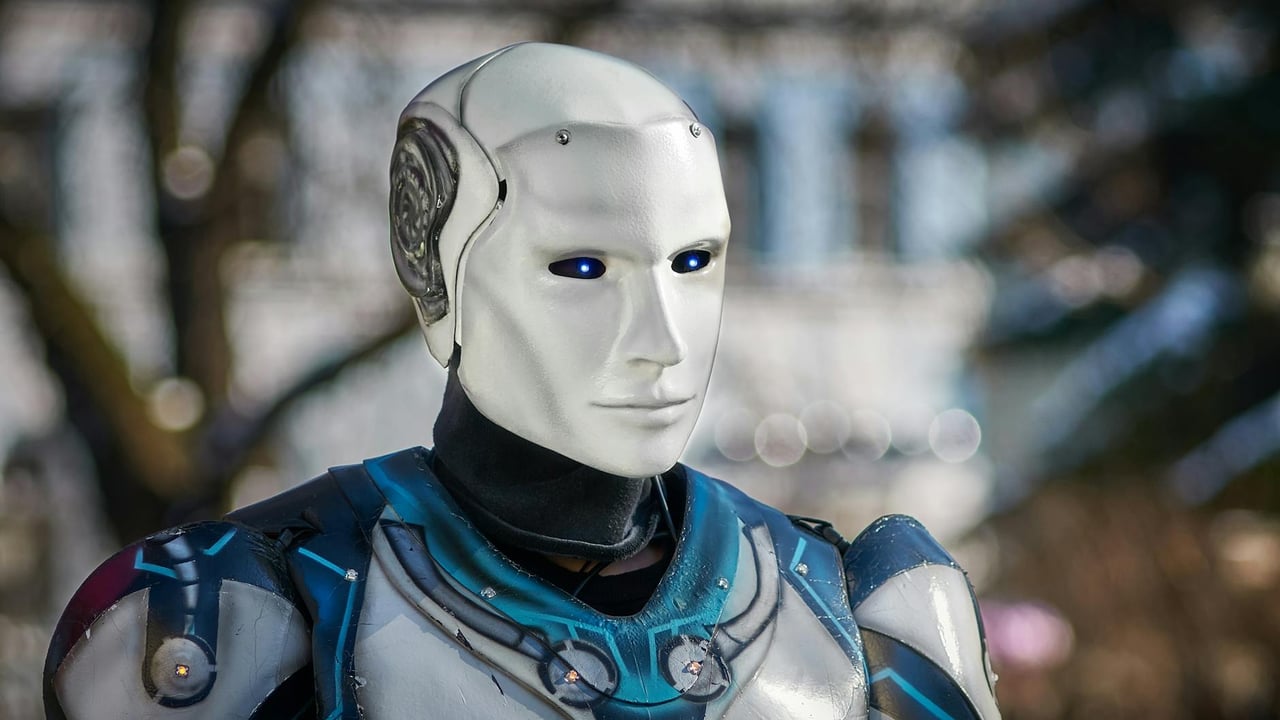

A new chapter in China's public robotics showcases unfolded overnight on March 14–15 in Yizhuang, Beijing, where organisers conducted the first practice run for the 2026 Yizhuang Half‑Marathon's humanoid‑robot category. The full event is scheduled for April 19, and the trial involved more than 20 self‑navigating teams drawn from universities and private firms competing on a mapped course.
The trial marks a departure from last year's format, when robots were steered by technicians following alongside or guiding from the front. This year competing units are expected to make route decisions autonomously, relying on preloaded electronic maps and on‑board perception, navigation and control stacks rather than real‑time human remote control.
Organisers have deliberately raised the technical bar: the 2026 course includes urban slopes, undulating pavements and narrow ecological trails through parkland. Those features stress a range of systems simultaneously — terrain adaptation, dynamic balance, robust localization in GPS‑challenged environments, and motion‑planning that can handle mixed pedestrian traffic and variable surfaces.
For engineers the race is less about spectacle and more about rigorous prototype validation in uncontrolled, public settings. Performance metrics from the trial — completion rate, interventions required, energy consumption and perception failure modes — will give a clear readout on how close current humanoids are to prolonged, reliable field deployment in city environments.
The exercise also reveals broader strategic priorities. China is accelerating efforts to commercialise humanoid robotics across service, logistics and inspection roles; public, high‑visibility tests help firms demonstrate progress to investors and regulators while exposing algorithms to messy, real‑world data. Yet demonstrators still face hard problems: battery life, computational limits, safe human‑robot interaction and regulation for robots operating among crowds.
With the April race looming, international observers will watch whether autonomous teams can complete the course without human intervention and how robots handle unpredictable terrain and traffic. The results will be instructive for the research community and for companies seeking to translate lab advances into deployable urban robotics.