Israel Says No Immediate Plan for Direct Talks with Lebanon Amid Conflicting Reports

Israel’s foreign minister Gideon Sa’ar said on March 15 there are no plans for direct talks with Lebanon in the coming days, contradicting earlier reports that meetings might be held in Paris or Cyprus. The denial highlights the sensitivity of any bilateral engagement amid ongoing border tensions and the involvement of non-state armed groups.

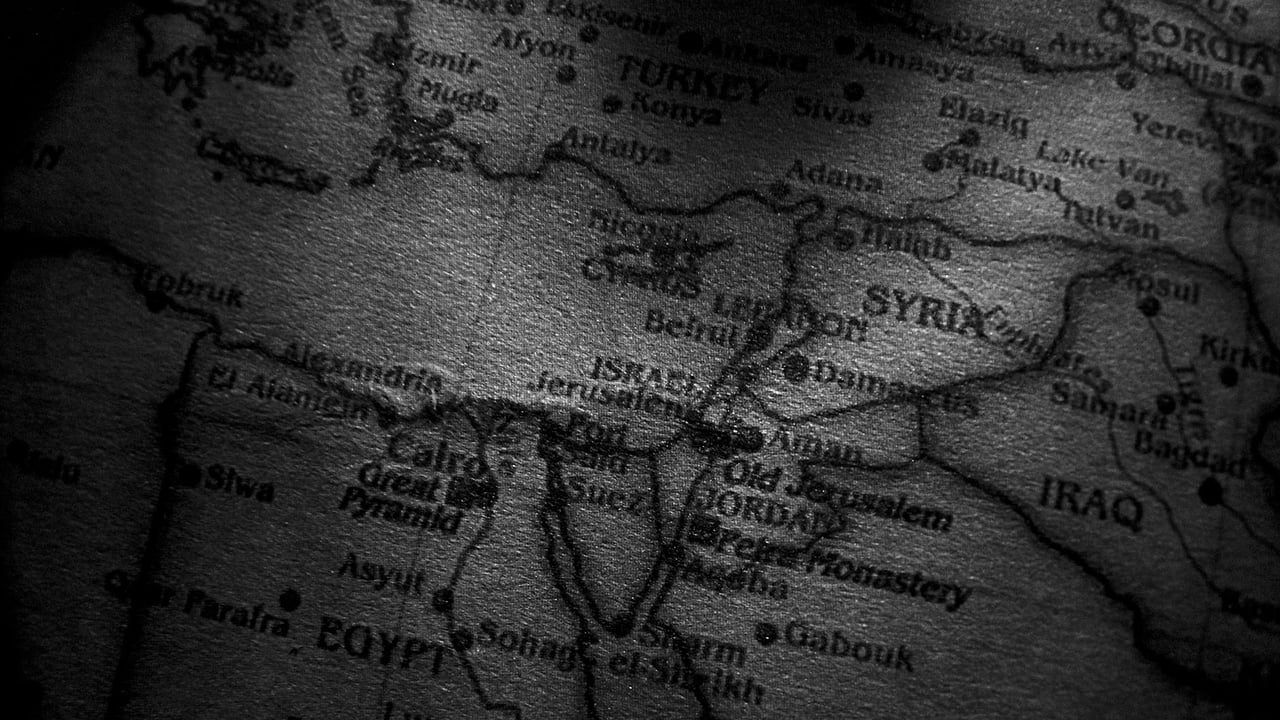
Close-up grayscale image of a map showing countries in the Middle East, including Egypt, Syria, and Iraq.

Key Takeaways

  • 1Israel’s foreign minister Gideon Sa’ar denied plans for direct talks with the Lebanese government in the coming days.
  • 2Earlier reports had suggested Israel and Lebanon might meet soon, possibly in Paris or Cyprus.
  • 3Direct talks would be politically sensitive given the ongoing state of hostility, Hezbollah’s role in Lebanon, and domestic Israeli pressures.
  • 4Third-party mediators such as France or Cyprus are potential venues, reflecting international interest in de‑escalation.
  • 5The denial raises uncertainty about prospects for diplomatic de‑escalation and the future of regional crisis management.

Editor's
Desk

Strategic Analysis

Sa’ar’s public dismissal of imminent talks is a calibrated message that serves multiple audiences: domestic voters who demand a hard line on security, regional actors watching for shifts in Israeli policy, and international mediators seeking to broker quiet understandings. It does not close off diplomacy, but it lowers expectations for an immediate breakthrough. In practice, meaningful progress would require not only agreement between governments but also credible mechanisms to limit incidents involving Hezbollah and to manage maritime and border disputes — tasks that are politically fraught in Beirut and Jerusalem alike. If arrangements are being discussed behind the scenes, they will need careful choreography to avoid domestic backlash. If they are not, the region may continue to rely on episodic third‑party mediation and deterrence, a brittle equilibrium that leaves the door open for sudden escalation.

NewsWeb Editorial
Strategic Insight
NewsWeb

Israel’s foreign minister, Gideon Sa’ar, told reporters on March 15 that there are no plans for direct talks with the Lebanese government in the coming days. His brief rebuttal undercuts earlier reporting that suggested diplomats from the two states were preparing to meet, possibly in Paris or Cyprus, to discuss bilateral concerns.

The public denial is significant less for what it confirms than for what it leaves open. Israel and Lebanon remain technically at war, with the volatile presence of Hezbollah along their border and a history of flare-ups tied to cross-border fire and maritime-resource disputes. Direct state-to-state talks would be an unusual, sensitive step that could recalibrate — or inflame — existing fault lines.

Third-party venues such as Paris or Nicosia have been floated as neutral ground for talks, reflecting the role outside mediators often play when formal relations are absent. France in particular has a long diplomatic footprint in Lebanon, while Cyprus has emerged in recent years as a regional hub for energy diplomacy. Sa’ar’s denial suggests either that arrangements have not been finalized or that Israel is reticent to be seen negotiating directly with Beirut at this moment.

The dispute over whether talks were imminent points to larger political constraints. Israel’s government faces domestic pressures over security and deterrence, and any engagement with Lebanon will have to reckon with the reality that Beirut’s capacity to control armed groups like Hezbollah is limited. For international actors and regional stability, the question is not just whether talks occur but whether they would be substantive enough to reduce the risk of escalation along one of the Middle East’s most combustible frontiers.

Share Article

Related Articles

📰
No related articles found