
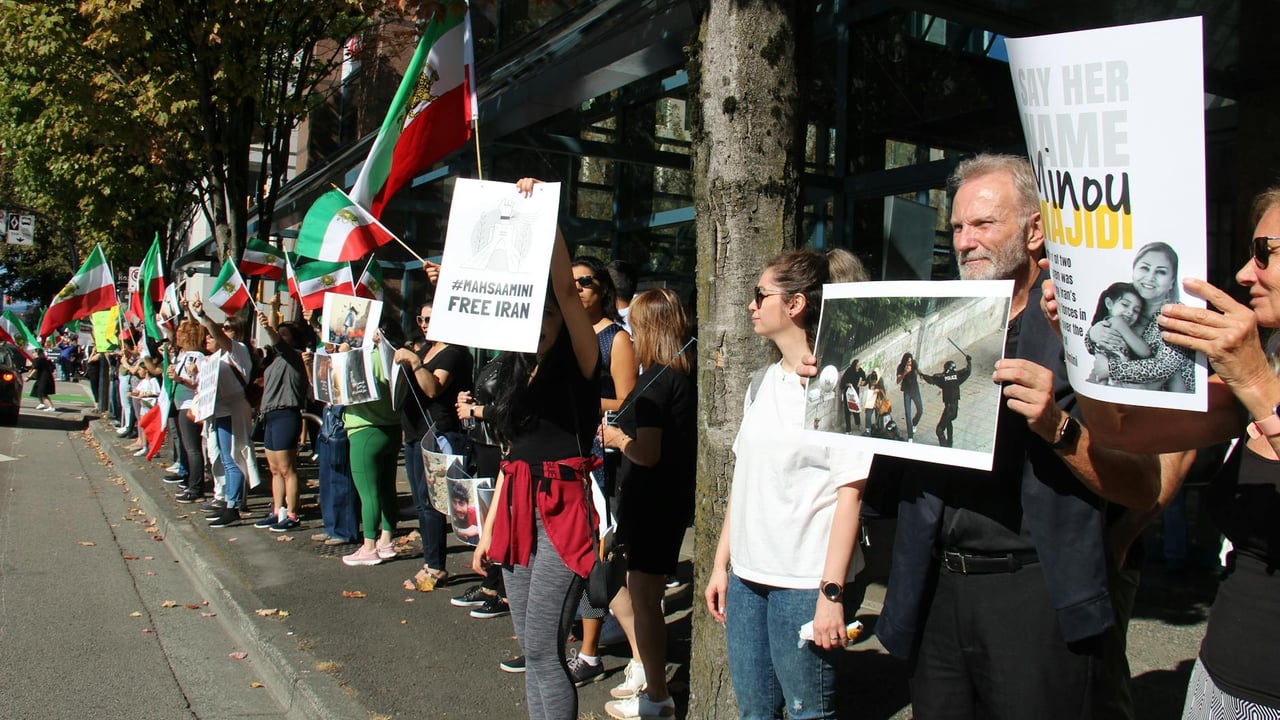

On March 14, hundreds gathered near the White House to protest recent US and Israeli military strikes on Iran, bringing a rare wave of street-level dissent to the capital. Demonstrators carried signs and chanted against what they described as an unjustified assault, with several speakers accusing the US government of targeting a girls’ school and demanding accountability.
Among those at the rally, speakers framed the attacks as morally indefensible and urged ordinary Americans to take to the streets. “This action cannot be justified by any reason — our government’s behavior is evil,” one protester said, calling for public opposition. Another attendee said people have a responsibility to oppose atrocities whether or not they are directly affected, reflecting a revival of anti-war civic energy.
The demonstrations were not only moral but material in tone. Local residents at the event linked the strikes to a sharp increase in domestic fuel costs, saying gasoline prices had surged since the operations began. “I absolutely felt it — it doubled,” one resident said, adding that the spike was straining household budgets and fuelling wider anger about the foreign policy decision.
Protesters also raised constitutional and evidentiary concerns, arguing that the strikes were undertaken without congressional authorization and on what they described as thin or unproven intelligence about imminent Iranian aggression. Those criticisms echo longer-standing debates in Washington over executive war powers and the transparency of intelligence used to justify military action.
The protests illustrate the domestic consequences of a foreign strike campaign: political backlash, pressure on an administration already juggling economic anxieties, and renewed scrutiny of the legal basis for the use of force. For policymakers, the clash between perceived national-security imperatives and public skepticism poses a dilemma — sustain a hard line against Tehran and face domestic unrest and market volatility, or step back and risk appearing weak to regional adversaries.
Washington’s street-level reaction will matter to international audiences watching the conflict unfold. If protests grow or if lawmakers force votes on authorization, US strategy in the Middle East could be constrained at a critical moment, complicating diplomacy, defence posture with allies such as Israel, and efforts to manage oil-market fallout from regional escalation.