
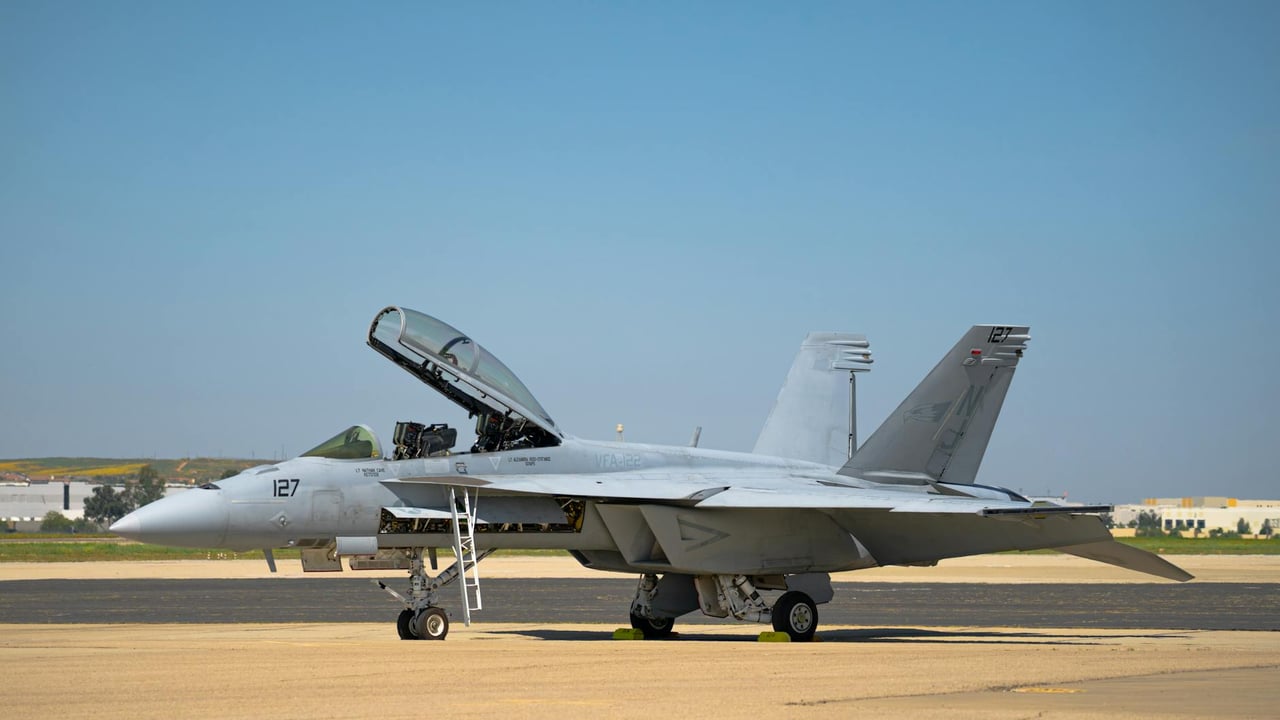

Iranian authorities on March 15 published photographs that they say show damage to defensive fortifications at Prince Sultan Air Base in Saudi Arabia, a principal hub for U.S. forces in the kingdom. Tehran said the damage occurred during the 51st wave of its campaign called “Real Promise 4,” part of a sustained series of operations against regional targets.
Prince Sultan sits about 100 kilometres southeast of Riyadh and is one of the largest U.S. military presences in the Gulf. U.S. government documents show more than 2,300 American personnel were stationed in Saudi Arabia in 2024, tasked with assisting Saudi air-defence and supporting U.S. aircraft operations from the base.
The images publicly released by Iranian outlets depict ruined defensive positions and infrastructure, but provide limited detail about the means used to strike the facility or whether there were casualties. Iran’s naming of the action and the description of a “51st wave” are intended to convey a sustained campaign rather than a single isolated strike, though independent verification of the scope and damage remains incomplete.
Whether intended to degrade the base’s ability to host aircraft, to signal reach and resolve, or to apply political pressure on Washington and Riyadh, the attack if confirmed has practical and strategic implications. Strikes on installations that host U.S. personnel raise the threshold for political and military responses in Washington and heighten the risk of miscalculation in an already volatile regional security environment. Analysts will watch for U.S. decisions on base hardening, asset dispersion, defensive deployments, and any kinetic or diplomatic reply that could follow.