US Keeps Aging Carrier USS Nimitz in Service as Tensions with Iran Persist

The US Navy has extended the service life of the aircraft carrier USS Nimitz until March 2027, about ten months longer than planned. The decision preserves carrier presence during a period of heightened tensions with Iran but underscores strains in fleet management and modernization schedules.

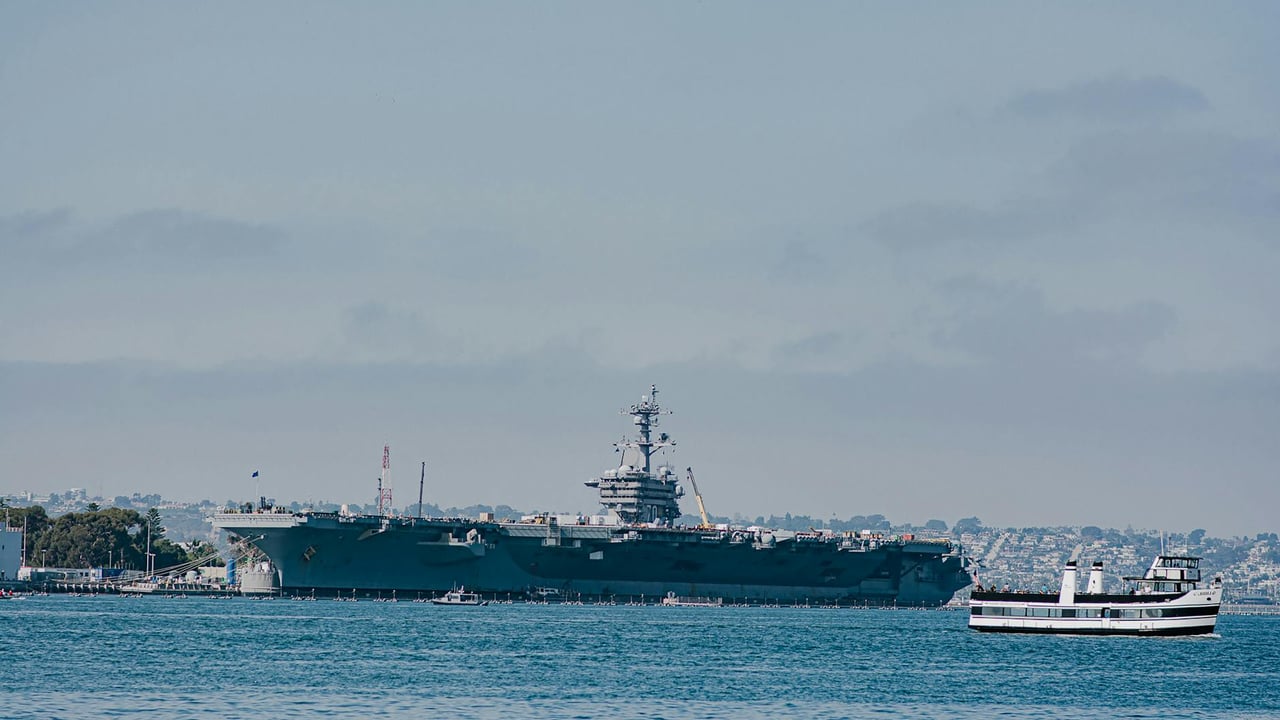
USS Carl Vinson aircraft carrier docked in San Diego harbor with a ferry in view.

Key Takeaways

  • 1USS Nimitz’s retirement has been postponed from May 2026 to March 2027, extending its active service by about ten months.
  • 2The extension comes as the carrier fleet remains active in the Middle East amid sustained tensions between the US and Iran.
  • 3Last year Nimitz completed a nine-month deployment and repeatedly transited the Strait of Hormuz, demonstrating its operational role in the region.
  • 4The delay highlights operational and maintenance pressures on the US carrier force and serves as a short-term measure to preserve forward presence.

Editor's
Desk

Strategic Analysis

Extending the Nimitz’s service is a pragmatic response to an immediate operational need: sustaining deterrent presence in a volatile region while managing a finite number of carriers and limited shipyard capacity. However, such extensions carry costs and risks — older platforms demand more maintenance, spare parts and oversight, and continued reliance on legacy vessels can mask bottlenecks in carrier replacement, shipbuilding throughput and personnel rotations. For policymakers and regional partners the extension will be read as a firm but temporary commitment; for Tehran it is a signal that Washington retains means for concentrated maritime response. The longer-term implication is that the Navy will need clear choices on investment and scheduling to avoid repeated stopgaps that strain readiness and inflate lifecycle costs.

NewsWeb Editorial
Strategic Insight
NewsWeb

The US Navy has delayed the planned retirement of its oldest active aircraft carrier, USS Nimitz (CVN-68), extending the ship’s service life until March 2027 — roughly ten months beyond the May 2026 decommissioning date that had been set. Navy officials framed the move as an administrative adjustment, but the timing is notable: the decision comes amid elevated US–Iran tensions and follows a nine-month deployment last year during which the carrier repeatedly transited the Strait of Hormuz.

Keeping Nimitz in service preserves a high-profile forward-deployable strike asset at a time when the Navy has been juggling global commitments and a constrained carrier fleet. For regional actors and commercial shipping interests, the presence of a supercarrier remains one of the clearest signals of US capability and intent to protect maritime routes and respond to contingencies in the Persian Gulf and nearby waters.

The extension also reflects practical pressures inside the US naval enterprise. Aging carriers require careful maintenance and periodic overhauls; pushing a vessel beyond its planned retirement date can complicate logistics, increase maintenance costs and strain shipyard capacity. At the same time, ongoing delays in the introduction and full operationalization of follow-on carriers and the demands of multiple simultaneous deployments make short-term extensions an expedient tool to avoid a temporary gap in carrier presence.

Strategically, the move is both reassurance and stopgap: it reassures allies and deters adversaries by maintaining visible power projection, while masking deeper questions about fleet readiness, modernization pacing and budgetary trade-offs. How long the Navy will continue to rely on legacy ships like Nimitz for surge operations will shape planning for aircraft carrier maintenance cycles, shipbuilding priorities and US naval posture in hotspots from the Middle East to the Indo-Pacific.

Share Article

Related Articles

📰
No related articles found