
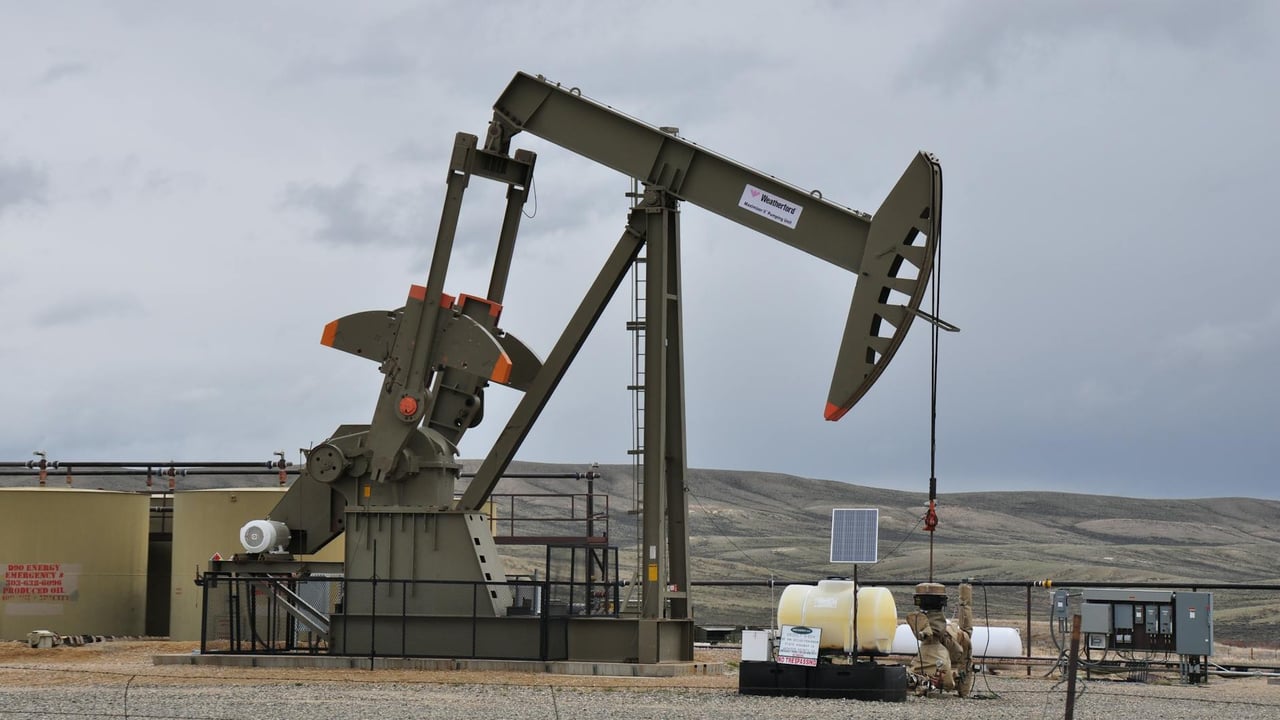

China’s upstream oil sector moved back into growth in the first two months of 2026, while power production picked up and coal declines eased, according to fresh figures from the National Bureau of Statistics. Crude oil output among above‑scale industrial producers rose 1.9% year‑on‑year to 35.73 million tonnes in January–February, reversing a decline recorded in late 2025. Refinery throughput also increased, up 2.9% to 122.63 million tonnes, suggesting domestic refiners are processing more crude even as global prices have climbed.
Coal production among above‑scale industrial firms showed only a modest dip, narrowing to a 0.3% decline at 760 million tonnes for the two‑month period, with daily output roughly in line with December’s pace. Natural gas continued steady expansion: output reached 44.6 billion cubic metres, up 2.9% year‑on‑year. Taken together, the data portray an energy complex that is broadly stabilising after slower patches late last year.
Power generation accelerated noticeably. Above‑scale industrial electricity output rose 4.1% year‑on‑year to 1,571.8 billion kilowatt‑hours in January–February, a marked pickup from December’s growth rate. Thermal (coal‑fired) generation swung back into growth with a 3.3% rise, while hydropower climbed 6.8%. Growth in nuclear, wind and solar output continued but at slower rates compared with recent months: nuclear up 0.8%, wind up 5.3% and solar up 9.9%.
The statistical release carries an important methodological caveat: these figures cover only "above‑scale" industrial enterprises (annual main business revenue of 20 million yuan or more), and the sample of firms changes year to year. The bureau adjusts its historical comparisons to match current coverage, which helps comparability but can obscure the underlying contributions from smaller producers.
For global markets, the rebound in Chinese crude output is meaningful but limited. A 1.9% rise in two‑month production provides a modest domestic cushion against higher import bills but is small relative to China’s overall crude demand and imports. The increase in refinery processing implies stronger domestic demand for refined products or higher exportable fuels, at a time when international benchmarks such as WTI have traded near $100 a barrel.
Domestically, the mix of faster power growth and only marginal coal decline hints at a short‑term trade‑off between sustaining industrial activity and meeting climate commitments. Renewables are still expanding, but the slower percentage gains for wind and solar indicate either capacity bottlenecks, weather variability for hydro, or a high base effect after strong prior growth. Policymakers will be watching whether the energy mix shift continues as the year progresses and how it affects industrial output, inflation and import dependence.