
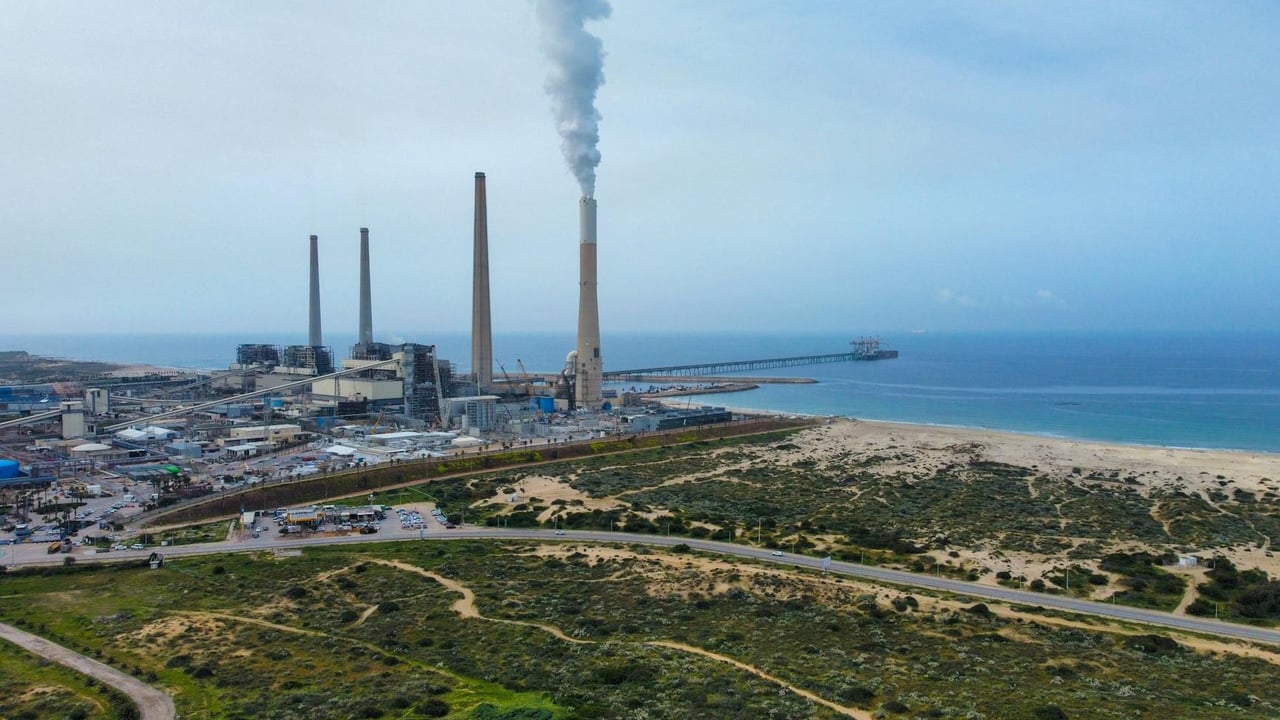

A prominent Chinese military commentator has argued that Iran’s targeting of Israeli energy infrastructure is less about tactical damage than about strategic pressure. Teng Jianqun told state-linked outlets that by striking energy facilities Tehran seeks to create public alarm, raise the political and economic cost for Israel, and force the United States to recalibrate its posture in the region.
The comment frames a pattern that has emerged in recent years: asymmetric strikes and threats designed to shift the diplomatic and military calculus without provoking an all-out war. Energy nodes—power plants, fuel depots, and export terminals—are attractive targets because they are both vulnerable and politically salient; even limited damage can disrupt services, alarm consumers, and produce a magnified perception of instability.
For Israel, which depends on stable energy flows and intact infrastructure for domestic life and for its fledgling gas exports in the eastern Mediterranean, such attacks raise questions about resilience and deterrence. For the United States the issue is credibility: a failure to protect Israel’s critical infrastructure or to impose tangible costs on attackers would erode Washington’s stated commitment to its regional partners and embolden Tehran and its proxies.
The wider strategic effect goes beyond Israel and the United States. Disruption to energy facilities or to maritime routes in the Red Sea and eastern Mediterranean would ripple through global markets, raising insurance costs and forcing shipping to detour around longer routes. Even where physical damage is limited, the psychological and financial effects of perceived vulnerability can be disproportionate.
Teng’s analysis also points to the diplomatic logic behind such operations. By demonstrating the capacity to threaten vital infrastructure, Iran can increase its bargaining leverage in any negotiations over sanctions, regional security arrangements, or indirect talks with the United States. At the same time, the tactic is calibrated to leave Washington room to avoid direct military escalation—forcing political pressure rather than an immediate kinetic confrontation.
The danger is miscalculation. Asymmetry can be stabilizing when both sides understand thresholds; it can be explosive when attacks are misattributed, when domestic politics push leaders toward forceful responses, or when third parties—militias, proxies, or allied states—join the fray. The current posture risks a cycle of tit-for-tat operations that gradually broadens into wider conflict unless diplomatic channels and credible deterrence mechanisms are restored.
For international observers and policymakers, the takeaway is that infrastructure security has become a front line of geopolitical competition. Protecting critical energy assets, clarifying red lines, and finding off-ramps for escalation will be essential to prevent a limited campaign of coercion from becoming a broader regional conflagration.