
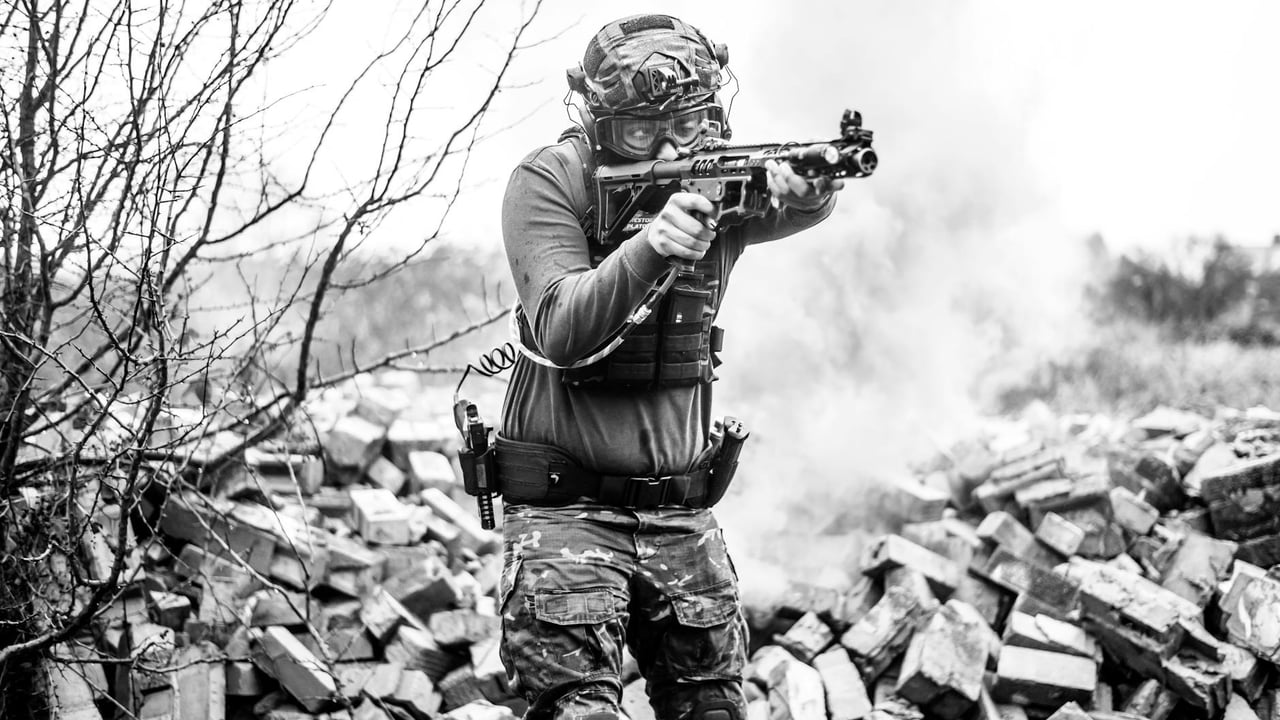

A Chinese assault company styling itself after the historic Pingxingguan battle has been showcased in a recent training competition, where every drill was framed as a race against the clock. The unit’s emphasis on “cutting seconds” and rigorous timing was presented as proof of its professional ethos and commitment to battlefield effectiveness.
The exercises highlighted meticulous time management as a tactical attribute: rehearsed sequences, synchronized movements and measured pauses are treated as measurable indicators of combat readiness. In practice, that means repetitive, stopwatch-driven cycles of assault, consolidation and recovery designed to shave fractions of time from key actions and to make those actions automatic under stress.
Naming the unit for the 1937 Pingxingguan engagement adds a layer of historical symbolism, tying contemporary training to a narrative of patriotic sacrifice and military heroism. That symbolic framing is a durable tool for morale and internal cohesion, turning technical drills into rites that defend not just unit effectiveness but also institutional honor.
This portrayal fits into longer-running trends inside the People’s Liberation Army: a pivot toward more realistic, competitive and metrics-driven training that privileges tempo, jointability and mission-focused evaluations. Competitions and publicized “model units” have become instruments for implementing tactical doctrines, enforcing discipline and demonstrating progress in modernization efforts.
For external observers the message is twofold. On the one hand, detailed attention to temporal discipline suggests a PLA seeking to reduce friction in force employment and to compress decision and action cycles in high-intensity scenarios. On the other hand, the public celebration of such units functions as domestic political signaling, reinforcing the military’s image as competent and historically rooted while raising the baseline of perceived readiness.