China Urges Calm as Trump Seeks a 'Strait of Hormuz' Escort Coalition

China urged immediate de‑escalation after Donald Trump said he was building a multinational escort force for ships in the Strait of Hormuz. Beijing called for all parties to halt military actions, avoided confirming any US request to participate, and signalled a preference for diplomacy while protecting trade and energy interests.

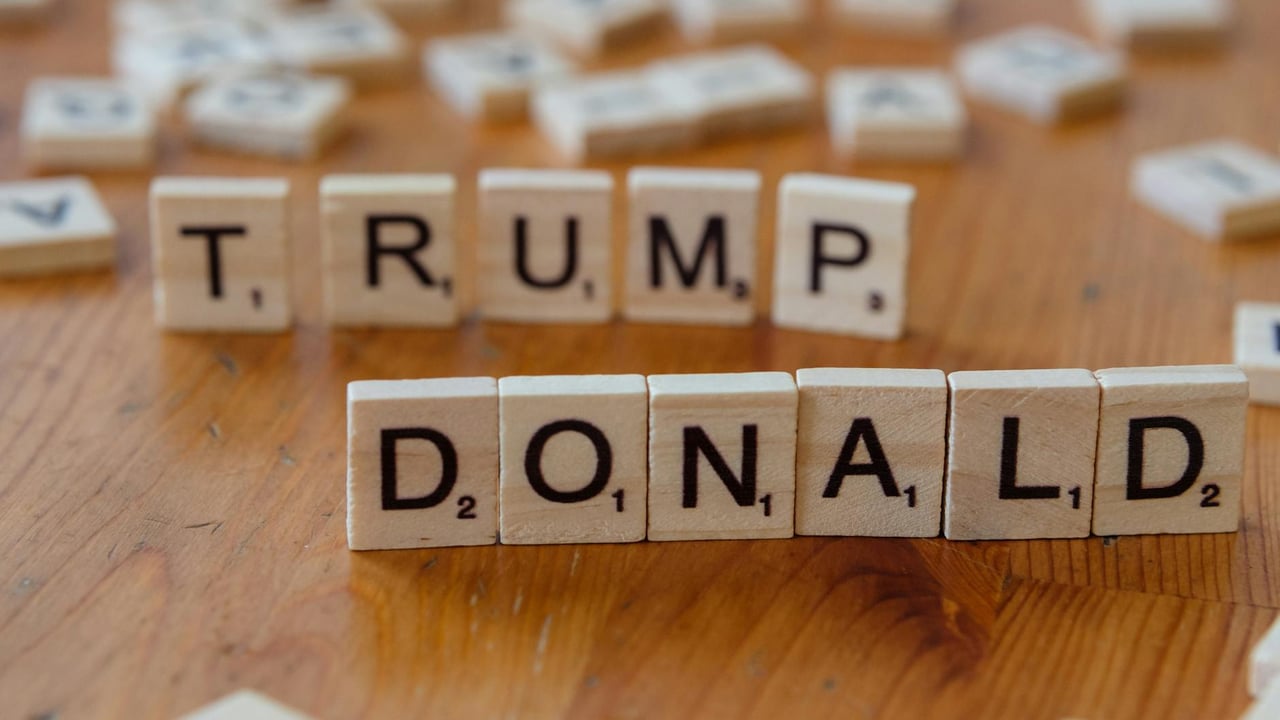
Close-up of Scrabble tiles spelling 'Donald Trump' on a wooden table.

Key Takeaways

  • 1China called for immediate cessation of military actions in and around the Strait of Hormuz to prevent further escalation.
  • 2Donald Trump said he was negotiating with seven countries — including Japan, South Korea and the UK — to form a naval escort coalition for ships in the strait.
  • 3Beijing did not confirm whether the US had formally requested Chinese participation, instead reiterating its call for diplomacy and warning of economic risks.
  • 4A US‑led escort coalition would heighten the risk of naval incidents, affect global energy markets, and force Beijing to balance security, trade and diplomatic relationships.

Editor's
Desk

Strategic Analysis

The strategic calculus facing Beijing is pragmatic and constrained. China depends on uninterrupted access to Middle Eastern energy and global shipping lanes, but it is politically and operationally reluctant to join a US‑led maritime security initiative that could be portrayed as an anti‑Iran bloc. By publicly calling for an immediate stop to military actions, China preserves room to manoeuvre: it can refuse to be drawn into a coalition that might antagonise regional partners while still reserving the option of non‑combatant measures to protect its merchant fleet, such as escorting commercial ships under a multilateral or UN mandate, diplomatic shuttle diplomacy, or increased investment in alternative routes. If Washington succeeds in building a broad coalition, the Gulf could see a longer‑term institutionalisation of Western and allied naval presence, forcing Beijing to reassess how it protects its energy lifelines without conceding to security arrangements led by the United States. The next moves — whether formal invitations are issued, which allies commit ships, and how Tehran responds — will determine whether this is a short‑term operational shift or a new strategic pattern in Gulf security.

NewsWeb Editorial
Strategic Insight
NewsWeb

China’s foreign ministry on Monday urged immediate de‑escalation after former US president Donald Trump said he was negotiating with several countries to form an escort force to protect shipping through the Strait of Hormuz. At a regular press briefing in Beijing, foreign ministry spokesman Lin Jian said the recent tensions in and around the strait were disrupting international trade and energy flows and risked further destabilising the region and world markets.

Trump has told followers he is in talks with seven countries and that Japan, South Korea and the United Kingdom have expressed a willingness to send ships to the Gulf. Beijing’s spokesman stopped short of confirming whether Washington had approached China about joining any such arrangement, saying only that China reiterated its call for all parties to halt military activities and avoid escalation.

The response is consistent with Beijing’s long‑standing public posture toward regional maritime flashpoints: emphasise diplomacy and the protection of trade while avoiding direct military confrontation. The Strait of Hormuz is a strategic chokepoint through which a large share of global oil shipments pass; any armed escort mission risks incidents at sea, complications with regional actors such as Iran, and ripple effects for global energy prices and shipping insurance costs.

Beyond immediate security concerns, a US‑led escort coalition would carry broader geopolitical consequences. For Washington, assembling partners would signal resolve and attempt to share operational burdens. For Beijing, the prospect forces a delicate calculation between defending unfettered access to energy and trade routes and preserving relationships with Gulf states and Iran while resisting alignment with a US initiative that could inflame tensions.

China’s terse reply — a call to stop military action and no confirmation that it had been asked to participate — leaves open multiple paths. It allows Beijing to signal unease about military escalation without taking a public side, preserving diplomatic flexibility. How Beijing responds if formally invited will be a revealing test of whether it is prepared to convert economic dependence on Middle Eastern energy into a more active security role in international waters.

Share Article

Related Articles

📰
No related articles found