
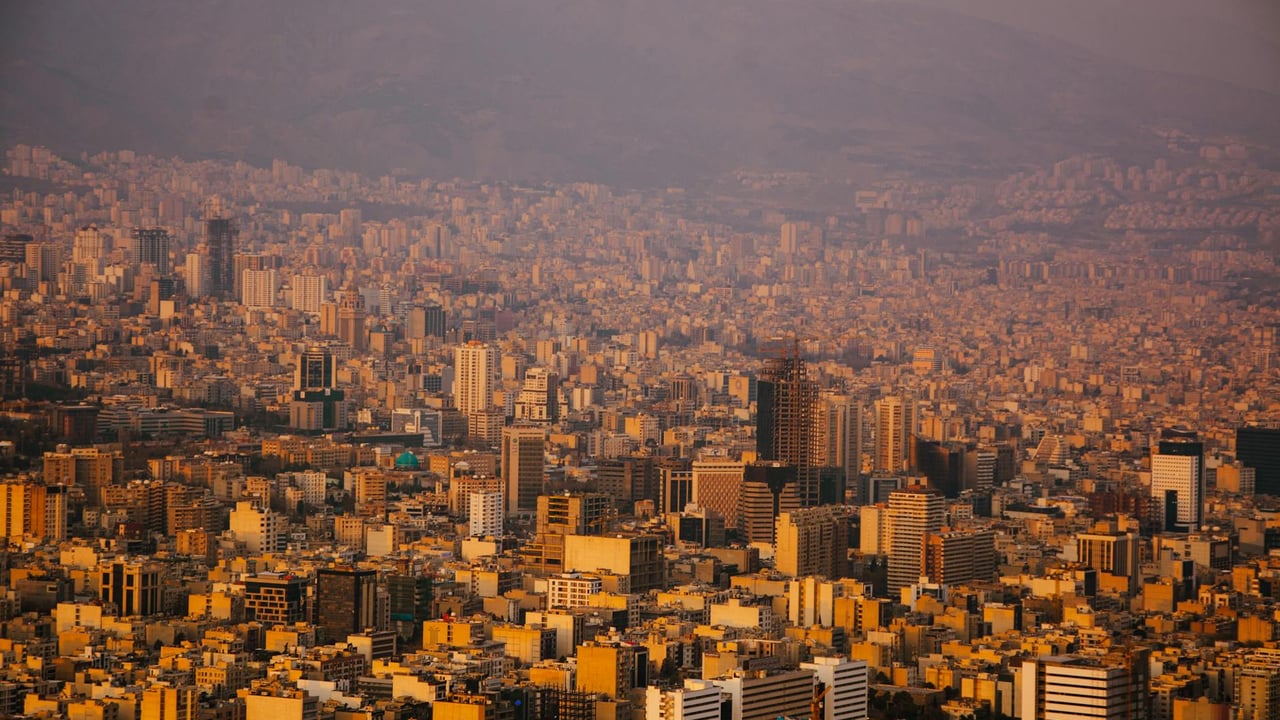

In the early hours of March 16, multiple explosions shook Tehran and nearby Karaj, triggering Iran’s air-defence systems and plunging parts of the capital into alarm. State-broadcaster crews on the ground recorded the launch of interceptors, though weather and communications blackouts prevented independent visual confirmation of blast sites. The incidents mark a fresh episode in a conflict that Iranian authorities say has now entered its 17th day.
Mobile users in Iran have faced a near-total cut-off from the international internet since the fighting began, constraining reporters and residents alike to satellite links and alternative channels for sending images and video. A state broadcaster correspondent reported that government-issued press SIM cards lost international connectivity on the afternoon of March 15, forcing news teams to rely on satellite transmission to file footage while prioritising personnel safety. The communications blackout compounds the challenge of verifying battlefield claims and increases reliance on official narratives.
On March 15 the Iranian intelligence ministry announced it had dismantled a domestic espionage network accused of photographing and transmitting images of airstrike sites and exposing the locations of emergency responders and military and police posts. Tehran framed the arrests as part of a broader domestic security sweep occurring alongside military operations such as the campaign labelled "Real Promise‑4." The disruption of an alleged spy cell underscores how intelligence, information flows and battlefield geometry have become intertwined in the conflict.
Amid the security turmoil, the Chinese embassy in Tehran formalised a humanitarian transfer, handing $200,000 from the Red Cross Society of China to the Iranian Red Crescent to assist families of students and teachers killed in an attack on a primary school in Minab. Ambassador Cong Peiwu denounced indiscriminate strikes on civilians and schools and positioned Beijing’s contribution as an expression of friendship and responsibility. Iranian Red Crescent officials welcomed the aid, framing it as a symbol of bilateral solidarity in a time of crisis.
The convergence of explosions, internet shutdowns, domestic arrests and foreign humanitarian steps highlights two parallel dynamics: the intensifying military confrontation in the region and the tightening grip of security services on information inside Iran. For external observers, communications blackouts and state-directed messaging complicate independent verification and increase the strategic value of satellite imagery and encrypted channels. The involvement of Beijing — offering targeted humanitarian assistance while emphasising respect for order and security — illustrates how third-party powers are seeking to burnish ties and influence outcomes without direct military involvement.