
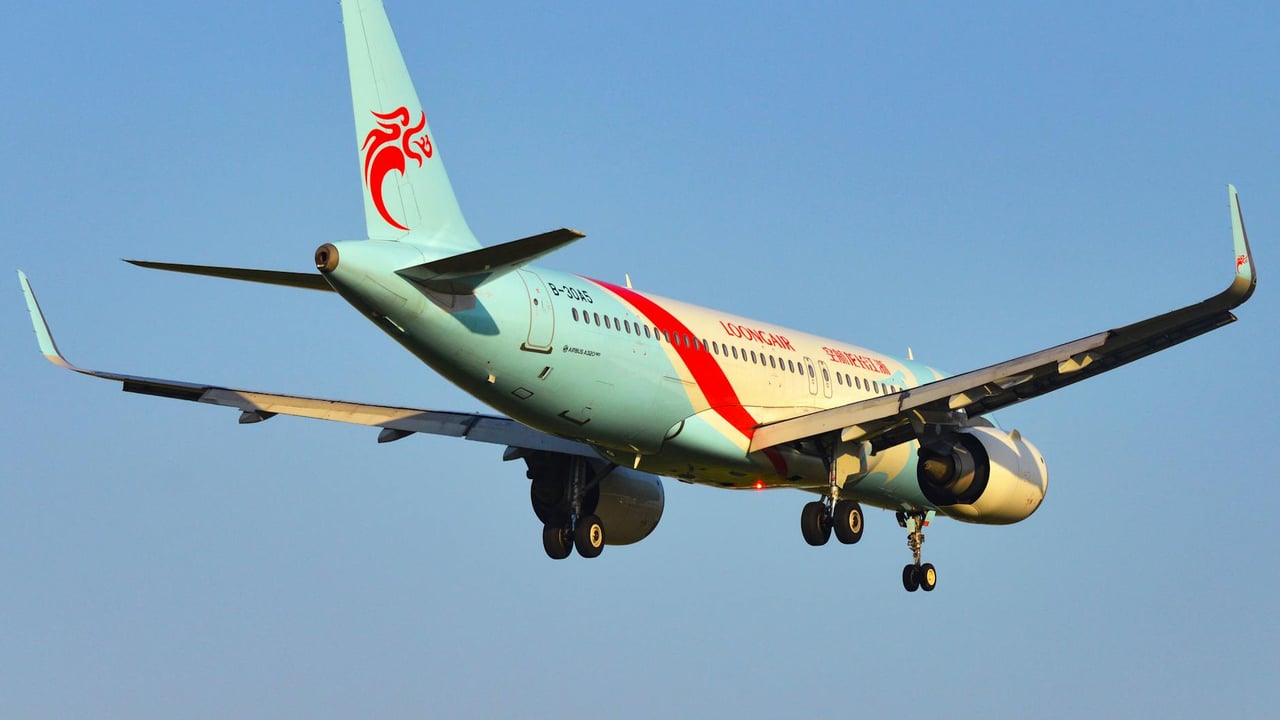

China's foreign ministry announced on March 16, 2026 that passenger flights between China and North Korea have resumed, describing the move as a positive step to facilitate "friendly exchanges" between the two peoples. The statement, carried by state-affiliated outlets, framed the decision in humanitarian and social terms, emphasizing people-to-people contact rather than strategic calculations.
The resumption ends a period of severely curtailed travel that began with the pandemic and persisted amid tighter border controls and slow post‑COVID normalization. The ministry offered no timetable or carrier names in its brief statement, leaving practical questions about frequency, routes and visa arrangements unanswered.
For Beijing and Pyongyang, reviving scheduled passenger services is as much political symbolism as practical connectivity. China is North Korea's dominant economic partner and principal diplomatic lifeline; reopening flights signals a return toward normalcy in bilateral relations and provides visible evidence of the two governments' closeness to domestic audiences in both capitals.
Regional actors will read the move through a security lens. Civilian flights are not, on their face, a sanctions issue, but increased travel can facilitate high-level visits, business delegations and informal channels that feed into broader diplomatic and economic engagement. Seoul and Washington are likely to monitor any follow-on steps — such as expanded trade, rail links or investment flows — that could alter the balance of incentives around Pyongyang's strategic choices.
Economically, the immediate impact will probably be limited: bilateral tourism to and from North Korea remains niche, and the country’s infrastructure constraints cap rapid growth in passenger volumes. However, even modest regular services reduce transaction costs for traders, aid workers and diplomats, and can catalyze a gradual uptick in commerce and people-to-people projects that have been on pause.
Politically, the narrative matters as much as the flights themselves. Beijing's emphasis on "convening friendly exchanges" serves dual domestic and international audiences: it reassures Chinese citizens and business interests that ties are normalizing while signaling to Pyongyang that China remains an indispensable partner. For North Korea, restored air links offer a visible demonstration of external support that the regime can showcase at home.
Several uncertainties remain. The exact scope of the resumption, compliance mechanisms with international sanctions, health and security protocols, and whether the move presages deeper economic reopening are unanswered. Observers should watch for reciprocal gestures from Pyongyang, announcements on carrier operators and timetables, and any coordination with third countries that might indicate broader strategic intent.
Viewed narrowly, the return of passenger flights is a pragmatic step to facilitate travel. Viewed more broadly, it is a calibrated diplomatic signal: an incremental normalization that strengthens bilateral ties without forcing immediate confrontation with regional concerns about proliferation or sanctions evasion.