
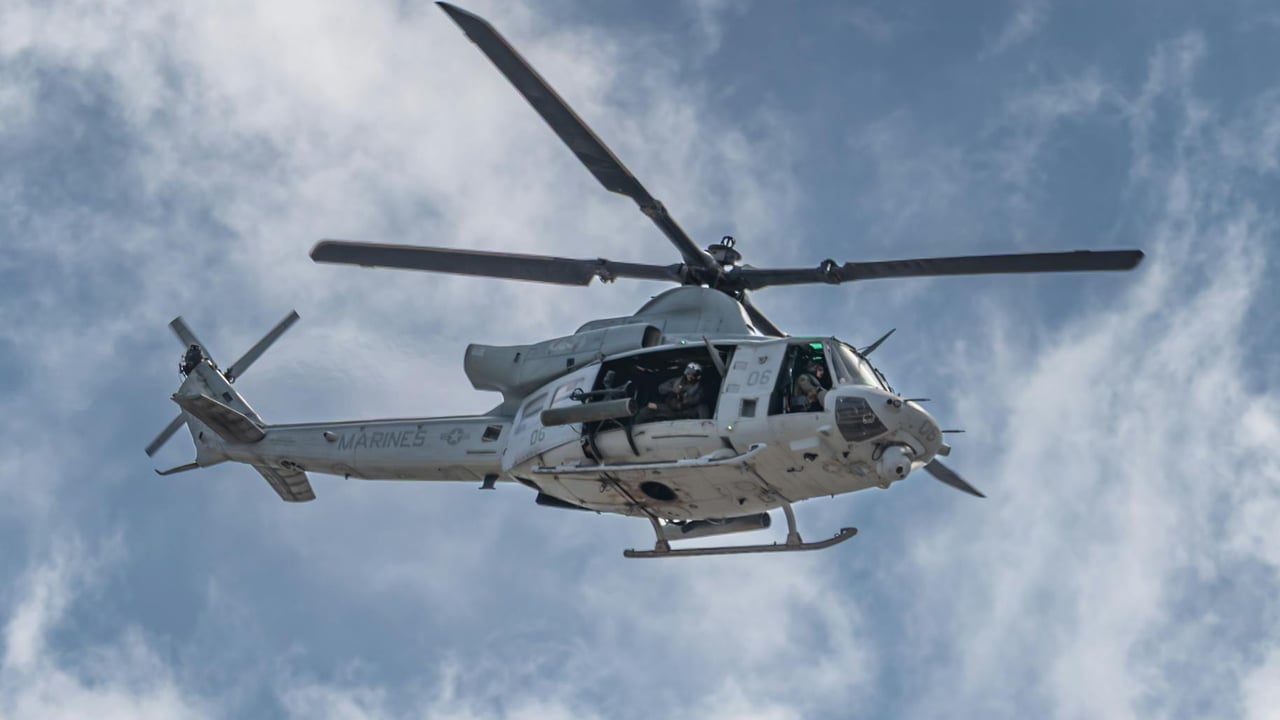

In mid-March the narrow choke point between the Persian Gulf and the Gulf of Oman became the theatre for a stark demonstration of asymmetric warfare. The New York Times revealed that the United States had flown roughly 2,500 Marines into the region with an amphibious force package that included assault ships, helicopters and artillery, intending to deter or reverse Iranian moves that have effectively closed the Strait of Hormuz since late February.
The deployment’s ostensible purpose was to protect commercial shipping and to assure free passage through a route that carries more than a quarter of seaborne oil and roughly one-fifth of global LNG flows. Yet, despite high-profile rhetoric promising near-term convoy operations, the U.S. Central Command declined merchant requests for escort, explicitly citing unacceptable risk. What was meant to signal resolve instead revealed the limits of conventional power in constrained littoral waters against a low-cost, layered threat.
Geography helps explain the dilemma. The strait narrows to about 33 kilometres at its tightest, with navigable channels only a few kilometres wide and shallow waters close to shore. In that environment, carrier strike groups and destroyers lose much of their tactical advantage: radar horizons shorten, maneuver space vanishes and reaction windows for intercepting missiles, drones or mines shrink to seconds. Iranian missiles launched from the coast are within flight time to nearby warships measured in moments, not minutes.
Iran’s operational choice has been to avoid matching hardware and instead exploit tactics that negate U.S. advantages. Small, fast attack craft operating from island bases, inexpensive sea mines that can be emplaced from civilian vessels, hundreds of unmanned aerial systems and cheaper anti-ship missiles combine into a “wolfpack” threat across air, surface and subsurface domains. Mine strikes, in particular, are disproportionately effective: an inexpensive mine can disable a multimillion-dollar tanker or force lengthy port and route closures.
The impact has been immediate and global. Lloyd’s shipping data show transits collapsing from more than 1,200 vessels a month a year ago to fewer than 100 so far this March, and at least 18 merchant ships have been attacked in the Gulf theatre. The International Energy Agency has warned of the most severe supply disruption in its history, while oil and fertiliser prices have spiked. Import-dependent economies and agricultural sectors face immediate costs, and trading partners are now probing alternatives, from overland pipelines to longer, safer routes that raise freight and insurance costs.
The episode has unnerved U.S. allies and exposed political fissures. Gulf partners are wary of hosting overtly offensive operations that invite Iranian retaliation; some have sought to limit the footprint of U.S. forces on their territory. The memory of the 1980s—when mine strikes, the loss of a naval vessel and the accidental downing of a civilian airliner ensnared the U.S. in costly mistakes—also tempers appetite for a forceful, visible reconquest of the sea lanes.
For Washington the calculus is stark: escorts and robust countermeasures require sustained commitments of expensive munitions, personnel and platform time against opponents who can replenish cheap ordnance quickly and accept protracted attrition. The result is a political and fiscal dilemma—projecting power without getting drawn into a grinding, costly campaign that offers uncertain outcomes and domestic political blowback.
The immediate consequence is a de facto Iranian leverage over the global energy system and a blow to U.S. claims of uncontested sea control. Absent a rapid diplomatic breakthrough, expect prolonged disruption, higher insurance premiums, and a scramble by importers to diversify routes and suppliers. The longer-term consequence may be an acceleration of allied hedging and a reassessment in Washington of how to deter coercion where geography and asymmetric tactics favor local actors.