
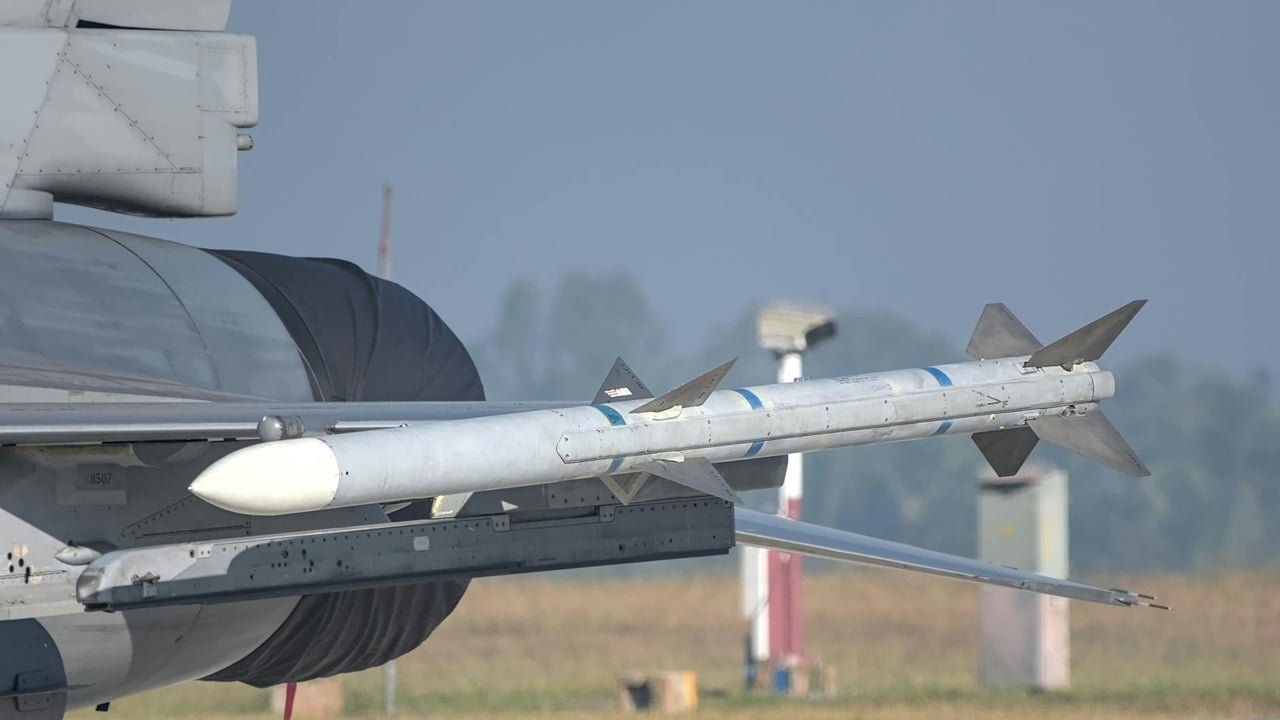

Iran's Islamic Revolutionary Guard Corps (IRGC) announced that it used a two‑stage solid‑fuel ballistic missile nicknamed "Mudstone" in strikes on Israeli targets, marking the weapon's first reported use in the current round of hostilities. The strikes were described as the 54th wave of an operation the IRGC calls "True Promise‑4", which it said targeted an Israeli air operations command centre, core military and defensive facilities, and troop concentrations.
The Mudstone missile is Iran's first two‑stage solid‑fuel medium‑range ballistic missile and is reported to have a range of roughly 2,000 kilometres. The IRGC statement, carried by the Tasnim news agency, listed other weapons used in the sortie, including missiles identified as "Khorramshahr", "Castle Destroyer" and "Imad"—the latter previously assessed to have a range near 1,700 kilometres. Tehran claims a large and diverse ballistic arsenal that, if deployed as stated, can reach all of Israel and US bases across the Middle East.
The use of a two‑stage, solid‑fuel MRBM represents a qualitative step compared with shorter‑range rocket and cruise missile exchanges that have typified many recent episodes of regional confrontation. Solid‑fuel designs offer quicker launch readiness and reduced launch signature, complicating adversaries' warning and interception timelines. Iran's publicised employment of such a missile is therefore both a technical demonstration and a signalling act aimed at deterrence.
For Israel and its partners the development raises immediate operational and strategic questions. Israel's layered missile‑defence architecture—ranging from projectile defenses for short‑range rockets to the Arrow system for high‑altitude ballistic threats—was not primarily configured to contend with a concerted MRBM campaign from a state actor within the neighbourhood. The IRGC's emphasis on striking command-and-control nodes underscores a shift from symbolic or proxy strikes toward attempts to degrade an opponent's operational capacities.
Claims about the strike have so far come from Iran's official media and the IRGC; independent verification of damage or specific impacts has not been published. Open‑source confirmation is often delayed or contested in fast‑moving conflicts, and state statements serve both informational and political purposes. Nonetheless, Tehran's missile programme is well documented, and past tests and parades have illustrated the technical maturity that makes such claims plausible.
Politically, the move tightens an already fragile regional balance. Tehran is signalling to domestic and regional audiences that it can project strategic force beyond proxy actors and that its strike envelope encompasses Israeli territory and external bases used by Western militaries. For Washington and allies in the Gulf, the episode complicates force posture decisions and raises the stakes of any future kinetic response from Israel that could draw the US further into direct confrontation.
The immediate horizon is likely to feature close monitoring: Israel must decide whether to respond militarily or to manage escalation through diplomatic channels, while the United States and regional partners will weigh force protection and deterrent contributions. The employment of an MRBM in active combat, even if limited in scale, represents a dangerous precedent that could normalise the use of strategic‑range missiles in lower‑intensity conflicts.