

China kicked off 2026 with what its statistics bureau called “a strong start”: in January–February many headline indicators climbed noticeably from last year’s lows. Industrial production, investment and foreign trade all accelerated, while services consumption outpaced goods for the first months of the year, suggesting a more diversified recovery than the usual post‑holiday bounce.
Fixed‑asset investment reversed course after a year of contraction, rising about 1.8% year‑on‑year in January–February on a roughly 5.27 trillion yuan outlay, compared with a 3.8% drop for the whole of 2025. Infrastructure spending led the rebound, up 11.4%, and high‑technology industries expanded too: high‑tech investment rose 5.1% while equipment manufacturing added 9.3% to industrial value‑added, accounting for almost half of large‑scale industrial growth.
The data point to new productive forces helping to sustain the recovery. Electronics manufacturing grew 14.2% year‑on‑year, and the chemicals sector—an upstream supplier to electronics—rose 7.6%. Surge in demand for artificial intelligence and computing capacity is already spilling into energy and utilities: electricity and heat production and supply increased 5.1%, and investment in power and thermal supply jumped 13.1%.
Consumption shows both breadth and upgrading. Overall retail sales of consumer goods gained 2.8%, but services retail rose faster at 5.6%, helped by tourism and leisure: nearly 600 million domestic trips over the Spring Festival generated more than 800 billion yuan in spending—both records. High‑end and green consumption also stood out, with jewellery, communications equipment and higher‑efficiency household appliances posting double‑digit growth in some categories.
E‑commerce is evolving too. The statistics bureau replaced its old “online retail” metric with a broader “online goods and services retail” indicator that better captures platform‑based services; that new measure grew 9.2% year‑on‑year, with online goods up 10.3% and online services 7.3%, and some short‑form streaming platforms reporting transaction growth above 30%.
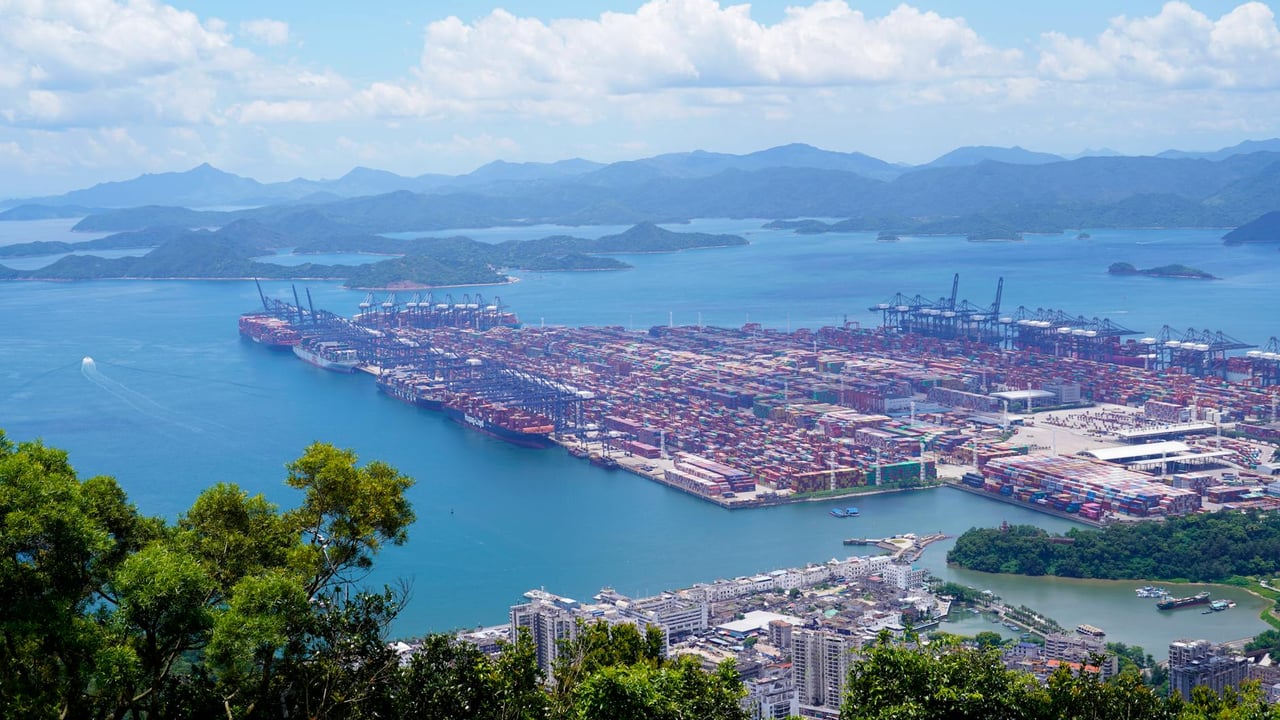
Trade was a conspicuous bright spot. Goods imports and exports together rose about 18.3% year‑on‑year, to roughly 7.7 trillion yuan, with exports up 19.2% and imports up 17.1%. Growth was broad‑based—strong demand from ASEAN and the EU, rising exports of machinery and high‑tech goods such as integrated circuits and vessels, and faster import growth that signals recovering domestic demand and new openings for trade partners.
Still, the authorities are cautious. At the March 16 briefing, the statistics bureau emphasised a steady‑as‑you‑go policy stance and pledged more proactive macro measures, targeted steps to cultivate “new‑quality productive forces,” and attention to stabilising employment, business conditions, markets and expectations. External risks from geopolitical tensions and volatile global demand remain notable headwinds that could test the durability of the early gains.