
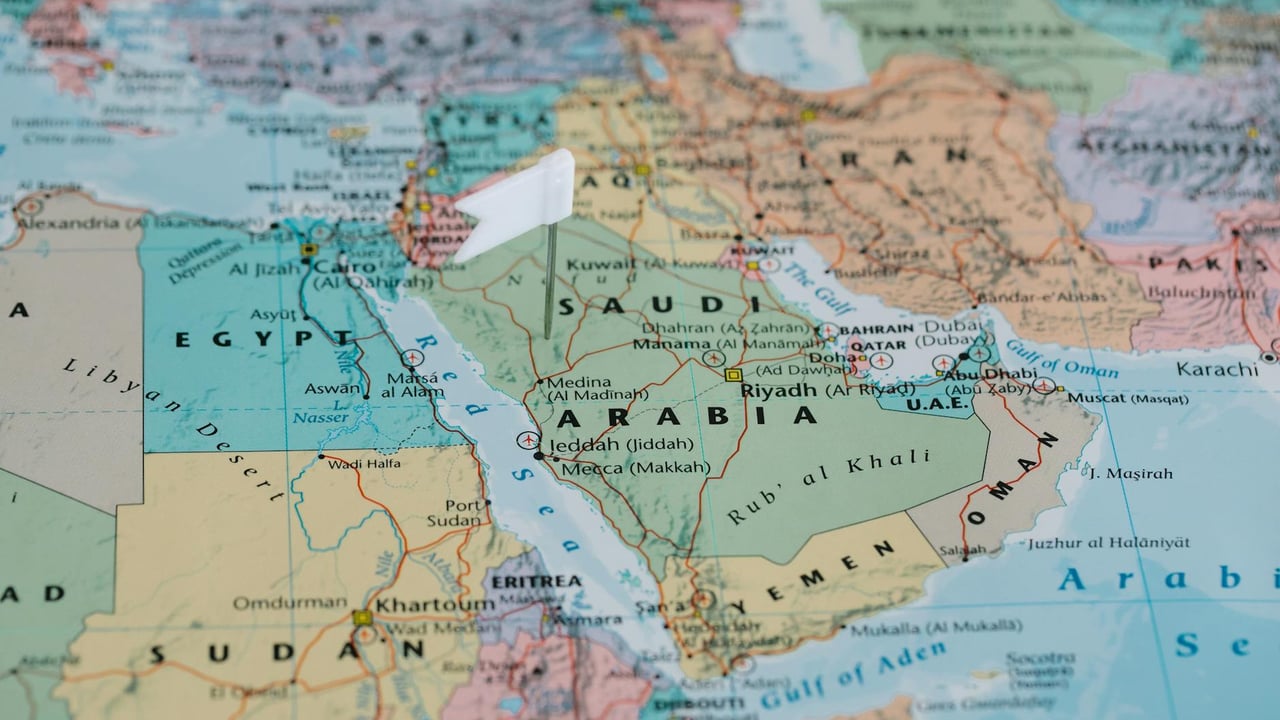

Spain and Italy have begun repositioning troops in Iraq amid a third week of US–Israeli strikes on Iran and a string of drone attacks on regional bases. Madrid said its contingent of special forces had been moved to a "secure location," while Rome has evacuated and redirected soldiers from a base in Erbil after a nighttime unmanned aerial attack.
Roughly 300 Spanish service members are deployed to Iraq in current rotations; the defence ministry stressed that the recent movements were carried out in close coordination with Iraqi authorities and coalition partners, and gave no further details about new locations or timelines. Italy reported that 102 troops had been flown back, 75 moved to Jordan, and remaining personnel would be repatriated by land after the Erbil strike.
The Erbil attacks form part of a wider pattern of hits on Western facilities: another strike on a different Iraqi training site killed a French soldier and wounded others, prompting President Emmanuel Macron to call the assault unacceptable. Western militaries have also shifted assets to the eastern Mediterranean and reinforced evacuation and force-protection capabilities following a separate drone strike on a British base in Cyprus earlier this month.
European adjustments reflect an operational calculus driven by force protection as much as by politics. Training missions that support Iraq’s security services are particularly vulnerable to aerial, missile and drone threats, and European capitals are balancing the desire to sustain those missions against the obligation to protect personnel and respond to public and parliamentary pressure at home.
The moves also expose the wider strategic ripple effects of expanded strikes against Iran. Bases in Iraq have become convenient targets for proxy groups or actors seeking to signal displeasure with Western support for strikes, placing Baghdad in a delicate position between protecting foreign partners and preserving its sovereignty. Coalition cohesion may be tested if member states pursue divergent approaches to risk management and redeployment.
Looking ahead, operations in Iraq are likely to be consolidated into fewer, harder-to-reach sites, with more frequent use of maritime staging areas in the eastern Mediterranean for extraction or rapid reinforcement. Absent a clear diplomatic de-escalation, European states will face hard choices about the scope of training missions, the rotational size of contingents, and the political costs of either staying the course or accelerating withdrawals.