
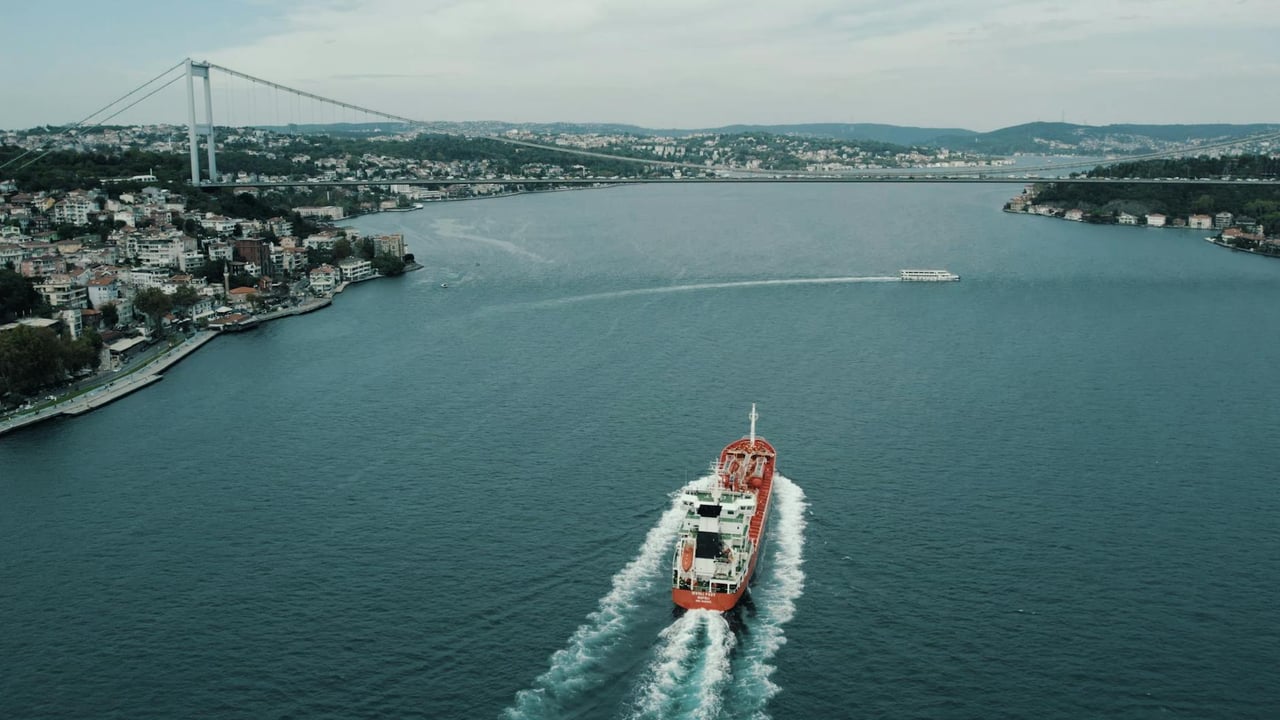

Shipping through the Strait of Hormuz has collapsed to a trickle, leaving Asian importers scrambling as a quarter of global seaborne crude routes lie effectively paralysed. Societe Generale’s commodity team estimates flows through the strait have fallen to roughly 0.5 million barrels per day, a fall of about 19.5 million barrels a day from historical norms; even allowing for pipeline diversions, some 17 million barrels a day of crude are not reaching markets.
The supply shock is compounded by widening crude shut‑ins across the Gulf—approaching 7 million barrels per day and liable to top 10 million within days—and refinery outages of nearly 2 million barrels per day in the region. Those combined disruptions have tightened refined product markets: diesel, jet fuel and naphtha are under pressure, LPG shipments from the UAE and Qatar have thinned, and prices are spurting as markets attempt to rebalance.
Europe can absorb an early shock better than Asia. Commercial and strategic tanks hold almost 70 million barrels of jet fuel, large enough to offset an initial Gulf shortfall of roughly 0.3 million barrels per day for several months. But Europe’s cushion matters less for middle distillates and naphtha, where the Gulf is a crucial supplier to Europe, Africa and Asia alike, and where shortages ripple quickly into transport, agriculture and petrochemicals.
Asia’s exposure is acute. The region imports more than 13 million barrels per day through Hormuz—about half of its total crude imports—with China, India, Japan and South Korea the largest buyers. Japan and South Korea are the most dependent on the strait by share, historically receiving about 81% and 62% of their oil via Hormuz respectively. By contrast, China’s large strategic and commercial reserves give it an estimated buffer of almost 300 days against a Hormuz shutdown; India and South Korea have far thinner cushions, approximately 74 and 73 days.
Several Southeast Asian countries face far shorter survivability. The Philippines, Myanmar and Vietnam may only be able to sustain flows for 20–40 days on current stocks; Singapore is the single biggest Hormuz‑exposed hub by volume, relying on roughly 680,000 barrels per day transiting the strait. Even where crude stockpiles are substantive—as in Brunei—refined product inventories are often negligible, leaving those markets vulnerable to rapid rationing.
Governments are already acting. Vietnam has urged remote work to conserve fuel and waived fuel import duties until late April; Thailand has frozen retail diesel and petrol prices and is drawing on a fuel fund to subsidise domestic prices; the Philippines is preparing tax cuts, subsidies and even shortened workweeks to blunt consumer pain. Such measures may suppress prices domestically, but they transfer costs to fiscal balances and can accelerate overseas inventory drawdowns, bringing physical shortages forward.
The economic and strategic fallout reaches beyond pump prices. Southeast Asia’s push to become a manufacturing and logistics hub depends on reliable, affordable energy; persistent fuel shortfalls would complicate foreign investment, disrupt supply chains and force policymakers to prioritise energy security investments—storage, alternative supply routes, and accelerated electrification—over tax breaks and incentives for industry.
In the near term, expect volatile prices, targeted export bans, temporary subsidies and, in the worst case, rationing in the most exposed markets. The episode underscores how concentrated maritime choke points and regional refinery vulnerabilities can produce asymmetric impacts: a supply shock centred in the Gulf will translate into acute fiscal and operational pain for lower‑reserve Asian economies long before it exhausts the buffers of larger importers or perturbs European aviation fuel stocks.