
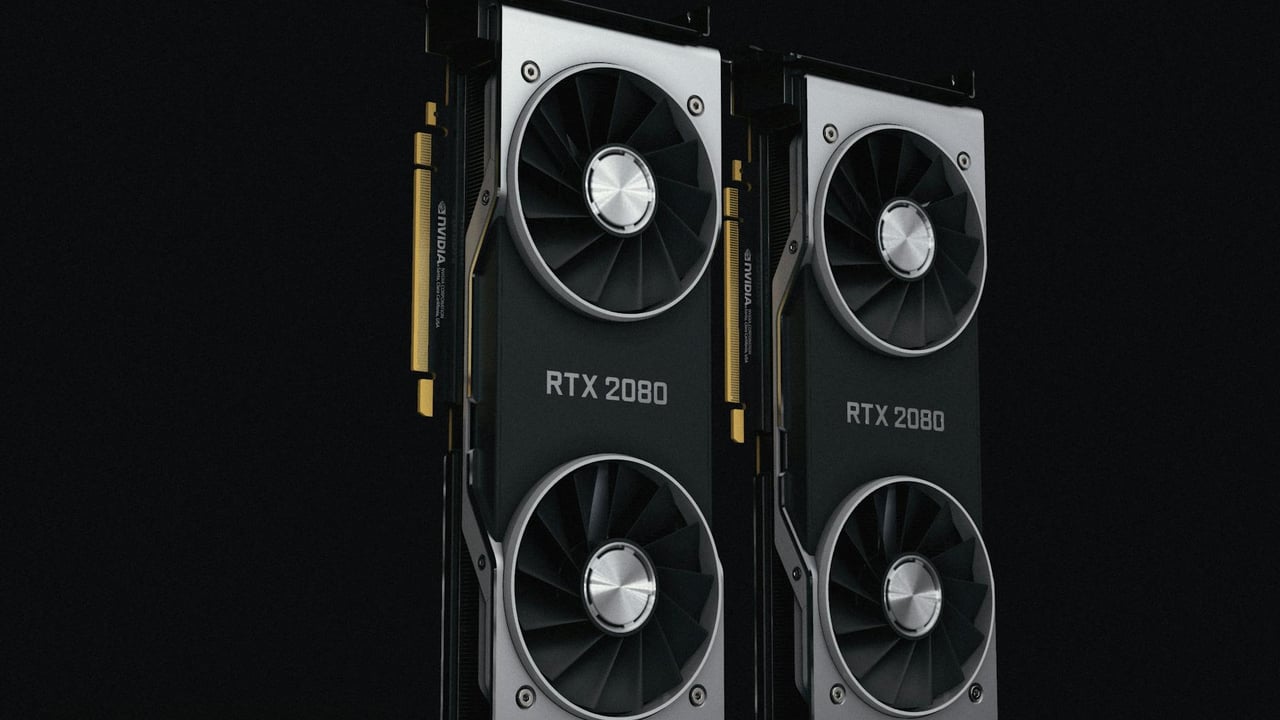

Jensen Huang used Nvidia’s GTC keynote to redraw the map for the AI infrastructure market: the company is positioning itself not simply as a chipmaker but as an “AI infrastructure and factory” provider, forecasting at least $1 trillion of demand by 2027 and unveiling a string of systems and architectures intended to accelerate token generation and reduce deployment friction.
Among the announcements were Vera Rubin, a 100% liquid‑cooled AI compute system claimed to raise token generation rates dramatically, the next‑generation Feynman architecture, a space‑data‑centre concept called Vera Rubin Space‑1, and the first mass‑production jointly packaged optical switch Spectrum X. Nvidia also outlined an integration approach for Groq following its acquisition and touted asymmetric separation for inference workloads, while Groq’s LP30 chip was said to be in production.
Global investors cheered some of the technical milestones, but the net effect on Chinese markets was a sharp derating of recently favoured rotation themes. China’s three major A‑share indices reversed: Shanghai fell 0.85%, Shenzhen 1.87% and the ChiNext board 2.29% on the day; market turnover contracted by roughly CNY115.4 billion from the previous session. Only 867 stocks rose while 4,541 fell, and the median stock decline was 1.9%.
The damage was broad: AI hardware, optical communications, power and new‑energy plays — the very sectors that had been powering short‑term rotation — largely “froze” and pulled back hard. Brokers and research houses labelled some of the move a classical post‑event profit taking and, in places, an overreaction driven by overheated expectations for components such as CPOs (co-packaged optics). A number of sell‑offs were judged by market participants to be mistaken repricing rather than a change in long‑run technology trajectories.
Two structural dynamics amplified the volatility. First, quantitative and liquidity‑sensitive trading strategies now dominate intraday flows in China, which intensifies runs on names that briefly fail to meet momentum thresholds. Second, the market’s current pattern — where accounts commonly record daily 5% swings — has elevated behavioural noise: investors chase winners and then capitulate early on pullbacks, producing rapid reversals and a pronounced “money‑lost” sentiment.
Macro and supply‑chain news added texture. The National Energy Administration reported electricity use rose 6.1% year‑on‑year for January–February 2026, while parts suppliers signalled tighter pricing pressure: Murata has proposed a price rise of 15–35% for MLCCs for AI servers and automotive grade parts effective April 1. SK Group warned memory shortages could persist into the end of the decade, reinforcing the narrative of constrained component supply and structural re‑pricing in certain segments.
The market’s near‑term tilt is defensive: banks, insurers, liquors and some healthcare names outperformed as funds sought shelter. The street’s practical advice, echoed by the note’s author and several brokers, is to reduce trading frequency and show patience — in other words, to sit through the kind of oscillations that quant flows and theme‑driven rotation can create rather than attempt to time every flash move.
For global technology watchers the day holds a clear message: Nvidia’s roadmap makes some modalities — optical interconnects, liquid cooling, and specialised inference chips — more visible and investible, but the immediate result may be choppy realignments across supply chains and stock markets. What looks like a sell‑off in China is as much about position squaring and algorithmic thresholds as it is about the durability of the underlying technology shifts announced at GTC.