
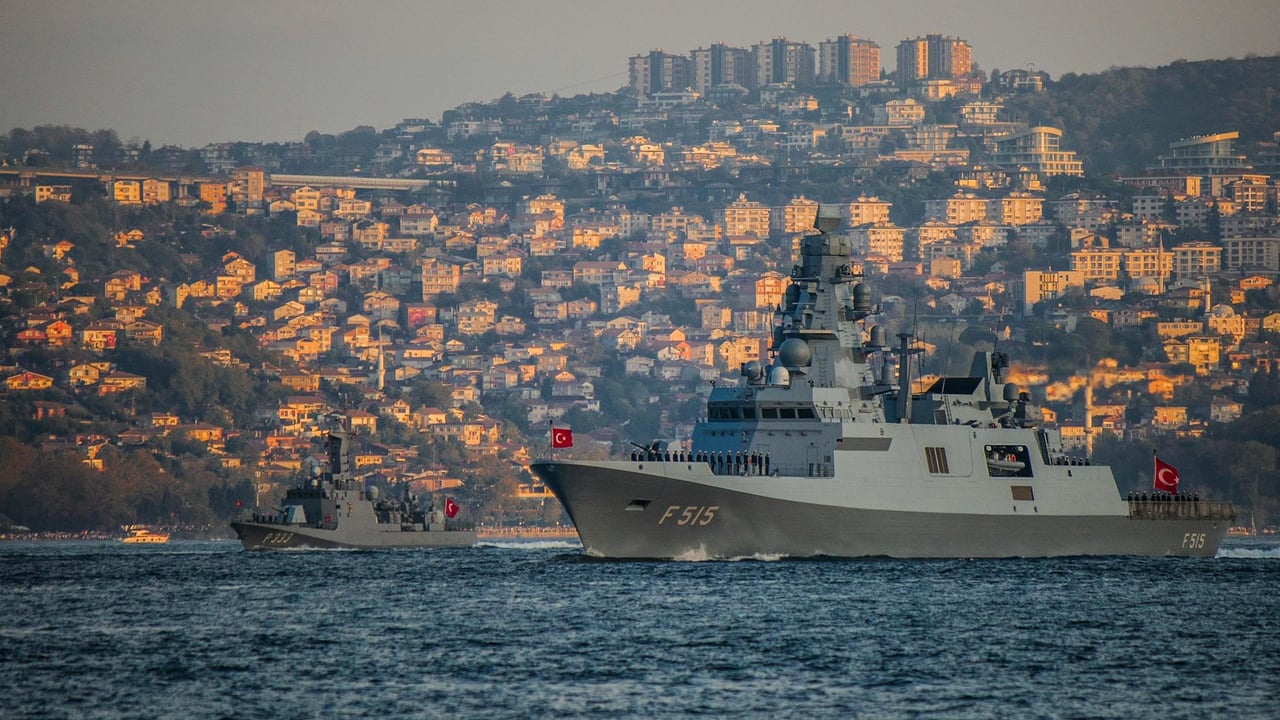

European Union foreign ministers on 16 March rejected a proposal to expand the mandate of the bloc’s existing naval “Shield” operation to the Strait of Hormuz, opting instead to press for diplomatic measures to cool a region increasingly imperilled by maritime attacks. After the Council meeting, EU High Representative Kallas told reporters bluntly, “This is not Europe’s war,” and warned that Brussels had no interest in becoming embroiled in an open-ended military conflict.
Kallas acknowledged the paradox at the heart of the decision: the fighting is not of Europe’s making, yet it cuts to core European interests. She argued that Iran’s recent actions amounted to an assault on the global economy and reiterated that the ministers’ priority is to reduce tensions and preserve freedom of navigation rather than to escalate military engagement.
Although ministers discussed the possibility of extending the “Shield” operation’s remit, Kallas said there was no intention to change its mandate for now. Spain’s foreign minister, Álvares, echoed this stance, arguing that a purely military solution would not deliver democracy, stability or prosperity and urging members to maintain the current authorization while seeking to lower the temperature.
The decision comes amid growing alarm over disruptions to shipping routes that carry energy, grain and fertiliser. The Strait of Hormuz is one of the world’s crucial chokepoints, and interruptions there, combined with continued threats in the Red Sea from Houthi attacks, have raised freight costs, driven up insurance premiums and pinned global commodity prices to geopolitical developments far beyond the region.
By declining to widen the naval mission, the EU has signalled a preference for restraint and diplomacy, even as it engages with the United Nations and other partners on practical steps to keep maritime arteries open. Kallas said she had been in touch with UN Secretary‑General António Guterres about ways to ensure passage through Hormuz, and ministers stressed the urgency of restoring flows of fertiliser, foodstuffs and energy passing through the strait.
The immediate practical implications are modest: the bloc will continue to monitor and protect shipping within the current operational scope while exploring non‑military tools to deter further escalation. Politically, the choice reflects a calculation about the limits of European appetite for direct involvement in a conflict that risks drawing in regional and global powers, and about the best way to safeguard economic interests without increasing the chance of confrontation.