IMO: Naval Escorts in the Strait of Hormuz Are Unsustainable as Oil Markets Strain

The International Maritime Organization has cautioned that naval escorts through the Strait of Hormuz are neither fully protective nor sustainable, stressing the need for broader maritime and humanitarian measures. The warning arrives amid faltering U.S. efforts to muster a coalition for escorts and deepening disruptions to global oil flows, prompting coordinated releases from strategic reserves.

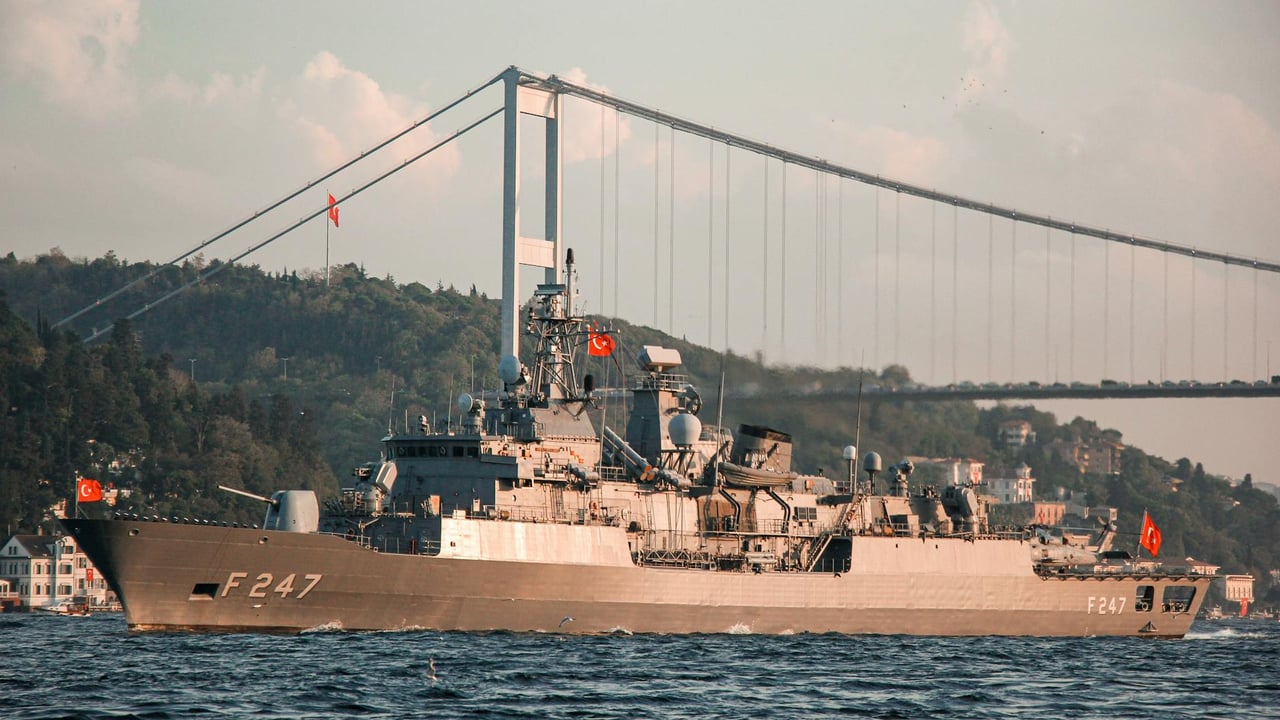
Military vessel with Turkish flags sailing under the Bosphorus Bridge in daylight.

Key Takeaways

  • 1IMO Secretary‑General Arsenio Domínguez said naval escorts cannot guarantee safe passage and are not a long‑term solution.
  • 2The IMO will hold a special council meeting in London (March 18–19) to address shipping safety and crew welfare in the Gulf.
  • 3U.S. efforts to assemble a naval escort coalition have so far produced no firm commitments from allies.
  • 4Energy agencies report supply losses exceeding the 1973 crisis, and the IEA agreed to release 400 million barrels from strategic reserves.

Editor's
Desk

Strategic Analysis

The IMO’s public rejection of prolonged military escorting shifts the policy debate from a short‑term security fix to a search for more resilient, multilateral answers. Naval deployments carry the twin risks of escalation with Iran and a false sense of invulnerability for commercial shipping, while failing to address insurance, routing, legal liability and the humanitarian needs of seafarers. In practice, durable solutions will require a mix of diplomacy to reduce regional tensions, legally framed multinational coordination for convoy and deconfliction mechanisms, expanded reliance on strategic oil releases and supply diversification by major importers. For consumers and markets, the immediate implication is continued price volatility and higher shipping costs; for governments, it is a hard choice between committing forces into a volatile theatre or accepting longer, costlier shipping routes and more brittle energy security. China's role as a major importer and stakeholder will be consequential: Beijing can both push for de‑escalation and leverage alternative supply and infrastructure partnerships to cushion the shock if the Gulf remains unstable.

NewsWeb Editorial
Strategic Insight
NewsWeb

The International Maritime Organization has warned that dispatching warships to escort commercial shipping through the Strait of Hormuz is not a long‑term or sustainable response to rising security risks in the Gulf. IMO Secretary‑General Arsenio Domínguez told the Financial Times that naval escorts cannot “100 percent” guarantee safe passage and that the underlying dangers to merchant shipping would remain.

Domínguez also raised concern for crews trapped aboard vessels lingering in Gulf waters, and announced the IMO would convene a special council meeting in London on March 18–19 to discuss immediate and co‑ordinated measures for navigation and seafarer welfare. The IMO, the UN body responsible for maritime safety and preventing ship‑borne pollution, is focused on short‑term mitigation while warning against military solutions as a durable policy.

The warning comes as Washington’s push for a coalition to escort tankers through Hormuz has met a cool reception. U.S. President Donald Trump said he had received some “positive responses” from potential partners, but U.S. media reported no nation had committed warships; Trump has publicly complained that allies are not “returning favours.”

The stakes are high: the Strait of Hormuz remains one of the world’s most important energy choke points. The U.S. Energy Information Administration estimates that roughly 20 million barrels per day of crude and petroleum products will pass the strait in 2025, underpinning nearly $600 billion in annual energy trade, and the International Energy Agency warned that current supply losses exceed those seen in the 1973 oil crisis.

Policy responses are stacking up beyond naval talk. The IEA agreed to release 400 million barrels from strategic reserves across 32 member states to calm markets, while industry faces increased insurance costs, navigational delays and the humanitarian problem of crew supplies. The IMO’s intervention signals a pivot toward seeking collective regulatory, humanitarian and commercial measures rather than an extended military deployment.

Share Article

Related Articles

📰
No related articles found