

China’s equity market showed a familiar pattern of narrow leadership on Wednesday as smaller, tech‑heavy stocks powered gains even while the broader market retreated. The ChiNext index rose 0.89% at the half‑day mark, while the Shanghai Composite slipped 0.4% and the Shenzhen Component was essentially flat, underscoring a growing divergence between larger, state‑linked names and the innovation‑oriented boards.
Trading volume contracted sharply: half‑day turnover across Shanghai and Shenzhen amounted to about RMB 1.24 trillion, down roughly RMB 128.2 billion from the previous session, and more than 2,700 listed issues were in the red. That squeeze in liquidity helped concentrate buying into a handful of themes rather than producing a broad market advance.
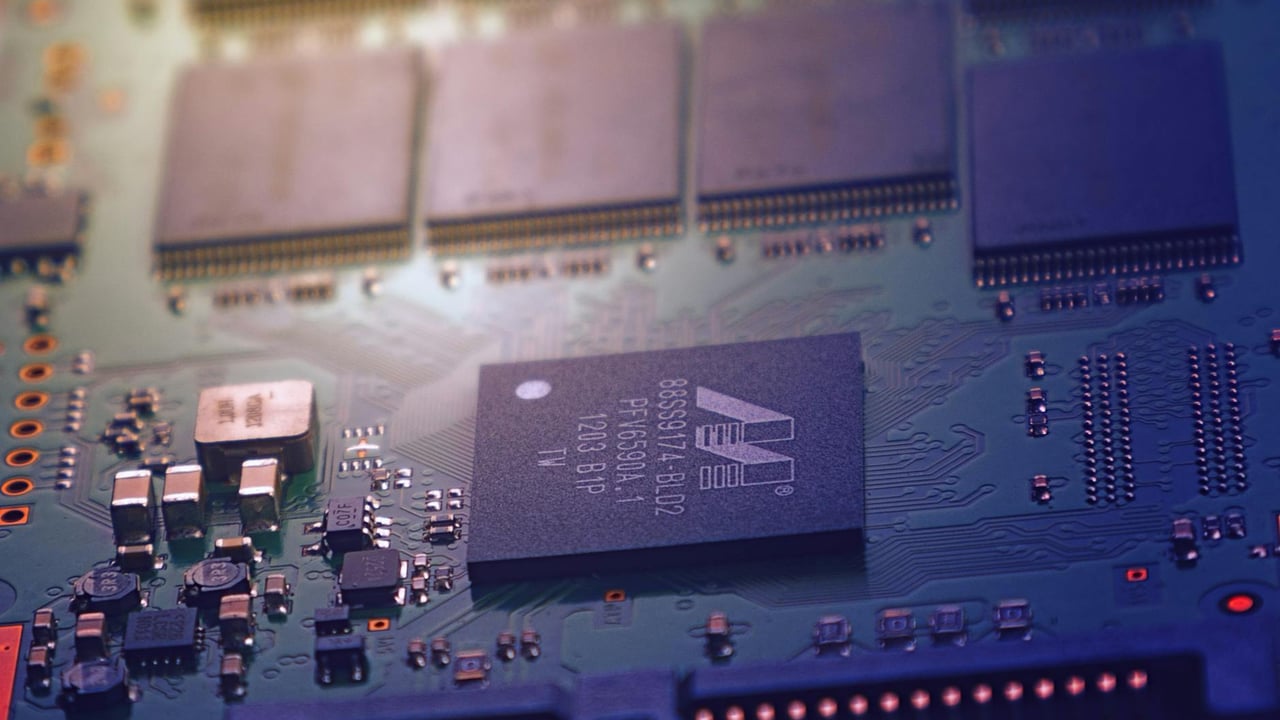
The day’s clear winners were companies tied to data‑centre compute hardware and related components. Stocks associated with co‑packaged optics (CPO) and optical modules rebounded, with several mid‑cap names making fresh moves and multiple optical‑module leaders climbing together. Liquid‑cooling server suppliers also saw strong buying; two machinery and equipment plays moved to daily limit‑ups. Storage‑chip related stocks firmed too, with a specialist in memory products hitting record highs and another rising more than 10%.
Other pockets of strength included firms positioned around the integration of power generation and compute demand, where regional power and energy services stocks posted one‑word limit‑ups. In contrast, the oil and gas sector weakened, with several producers and service companies posting sizable declines amid the intra‑market rotation.
The sectoral pattern tracks the global AI hardware narrative. The recent Nvidia GTC event and heightened investor focus on AI deployment have lifted demand expectations for servers, high‑bandwidth optical interconnects and storage — areas where domestic suppliers can capture share as data‑centre operators build out capacity. But the underlying message is mixed: a surge in a few subsectors can create headlines, yet the falling volume and broad market weakness signal limited conviction and higher short‑term risk for late entrants.
For foreign investors and observers, the episode illustrates two enduring features of China’s capital markets: rapid thematic rotations driven by technology narratives, and periodic liquidity‑constrained rallies concentrated in smaller, domestically oriented names. Whether these moves presage durable earnings upgrades in hardware supply chains depends on order flows from cloud providers and chipmakers, and on China’s policy stance toward industrial support and export controls over coming quarters.