
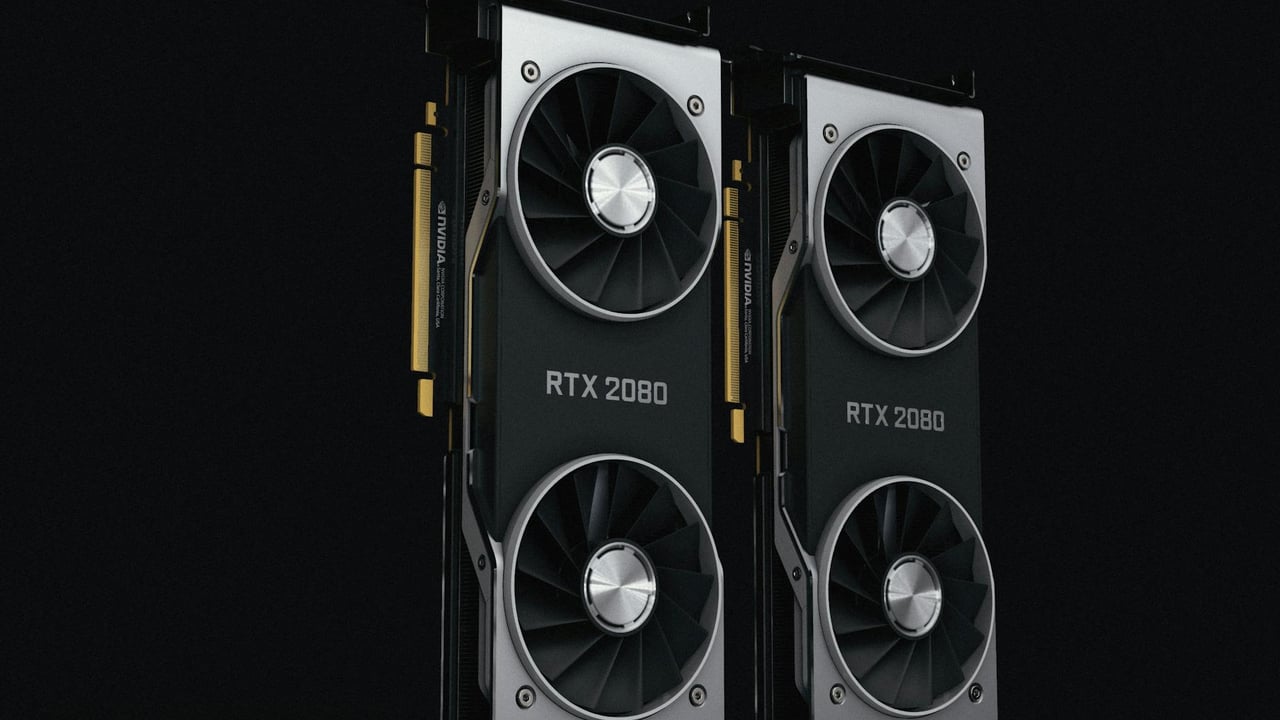

Oracle and NVIDIA announced at NVIDIA GTC 2026 an expansion of their collaboration to bring deeper AI capabilities to Oracle Cloud Infrastructure (OCI). The deal centers on delivering higher scalable AI performance, accelerating vector-database operations and packaging these optimisations into cloud‑native services designed to simplify enterprise AI deployments.
The technical aim is clear: combine NVIDIA’s GPU hardware and software ecosystem with OCI’s cloud stack so enterprises can run large models, real‑time inference and retrieval‑augmented workflows with lower latency and higher throughput. While Oracle’s statement did not list engineering details, the focus on vector databases and cloud‑native service integration signals work across both infrastructure (GPU instances, networking, storage) and middleware (inference runtimes, model serving and database accelerants).
For Oracle, the partnership is a way to close a credibility gap with enterprises migrating AI workloads to the cloud. OCI has long pitched itself on performance and enterprise controls; tighter integration with NVIDIA’s stack gives Oracle a concrete proposition for customers that need production‑grade model serving and fast vector search without stitching together multiple vendors.
Vector databases are the connective tissue of many modern AI applications: search, recommendation and retrieval‑augmented generation all rely on rapid similarity search across high‑dimensional embeddings. Accelerating those operations on GPU infrastructure reduces response times and, crucially, can lower total cost of ownership by consolidating compute and storage paths for embedding generation, indexing and nearest‑neighbour searches.
For NVIDIA, partnerships like this extend its reach beyond silicon and into the cloud services layer, reinforcing the company’s role as the de facto provider of the AI compute stack. That dynamic benefits enterprises in the short term with optimised end‑to‑end solutions, but it also concentrates software and standards around NVIDIA’s tooling and ecosystems.
The commercial stakes are high. Oracle hopes to parlay these enhancements into wins against AWS, Microsoft Azure and Google Cloud by offering a specialised, enterprise‑oriented path to production AI. Customers will weigh performance and integration against concerns about vendor lock‑in, pricing and interoperability with open model frameworks and competing accelerators.
Near‑term indicators to watch are performance benchmarks, pricing and the degree to which Oracle exposes open interfaces for model portability. The announcement is a meaningful step in the arms race to host enterprise AI workloads at scale, but the real test will be whether customers migrate critical applications to OCI because of measurable gains in cost, latency and operational simplicity.