

Iran confirmed the killing of Ali Larijani, secretary of its Supreme National Security Council, after an airstrike that also killed several aides and family members. State and semi-official outlets named Larijani — a veteran of the Islamic Republic’s leadership and a one-time parliamentary speaker who had been appointed to the security post in 2025 — as a principal casualty in a rapidly intensifying confrontation between Tehran, Israel and their respective partners.
Within hours of the announcement, the Islamic Revolutionary Guard Corps declared the 61st wave of its "True Promise-4" operation, launching a barrage of missiles it said struck more than a hundred military and security targets in and around Tel Aviv. Iranian authorities reported that the strikes caused localized power outages and displayed footage of damage in Israeli population centres while Israeli media showed smoke rising across several cities after apparent intercepts and debris impacts.
Israeli officials also reported high-level Iranian casualties on their side of the ledger, saying that Iran’s intelligence minister, Ismail Hatib, was killed in earlier strikes — a development later acknowledged by Tehran. The Israeli defence establishment has publicly authorised forces to strike "any senior Iranian official" without additional political sign-off, a declaration that signals a significant lowering of thresholds for targeting and raises the prospect of further tit-for-tat operations.
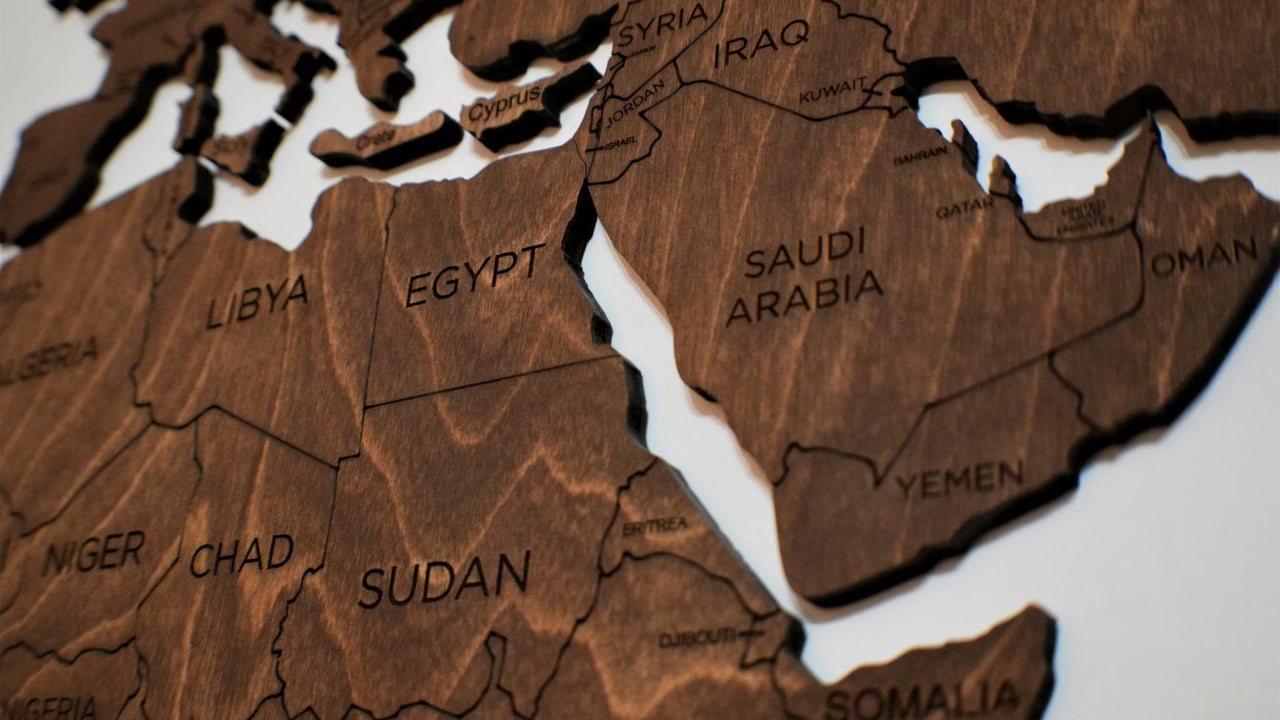
The confrontation is spilling into the Gulf’s energy and industrial infrastructure. South Pars phases 3–6, Iran’s major southern gas refining complex, was hit by what Tehran described as US–Israeli drone strikes; international markets reacted sharply, with Brent crude jumping roughly 5% on fears of broader supply disruption. Tehran responded by warning it would target petrochemical facilities in Saudi Arabia, the United Arab Emirates and Qatar and urged civilians in affected zones to evacuate.
Western outlets and analysts have emphasised Larijani’s institutional standing: a conservative yet pragmatic figure who had long served at the core of Iran’s system and had played a role in the 2015 nuclear accord and subsequent diplomatic engagements. Analysts caution that while his death may not collapse Iran’s political structure — Tehran has designated multiple successors for key posts to preserve continuity — it removes a senior operator whose experience helped synchronise military and diplomatic levers.
The immediate operational consequences are twofold. Militarily, Iran has demonstrated its capacity to strike deep into Israeli-held territory and to target critical infrastructure, complicating Israeli defence calculations and civil resilience. Politically, Larijani’s death eliminates one of the more credible interlocutors on the international stage who could have bridged between hardline security imperatives and pragmatic foreign-policy outreach.
Beyond the battlefield, the episode underscores the asymmetric logic that now drives Tehran: when conventional parity is lacking, strategic aims are pursued by imposing costs and cultivating long-term deterrence. Iranian commentary frames the conflict as existential, arguing that incremental concessions would only invite further aggression; that posture makes a negotiated stopgap less likely unless one side sees a credible pathway to de-escalation that preserves face and strategic interests.
The conflict shows no sign of imminent resolution. Regional actors such as Qatar have publicly condemned strikes on Iranian energy infrastructure, while Lebanese population centres have also been drawn into the fighting, widening the humanitarian and geopolitical footprint. Markets, militaries and diplomats will now judge whether the next phase becomes a managed, indirect confrontation or a more chaotic spiral involving additional state and non-state actors.