
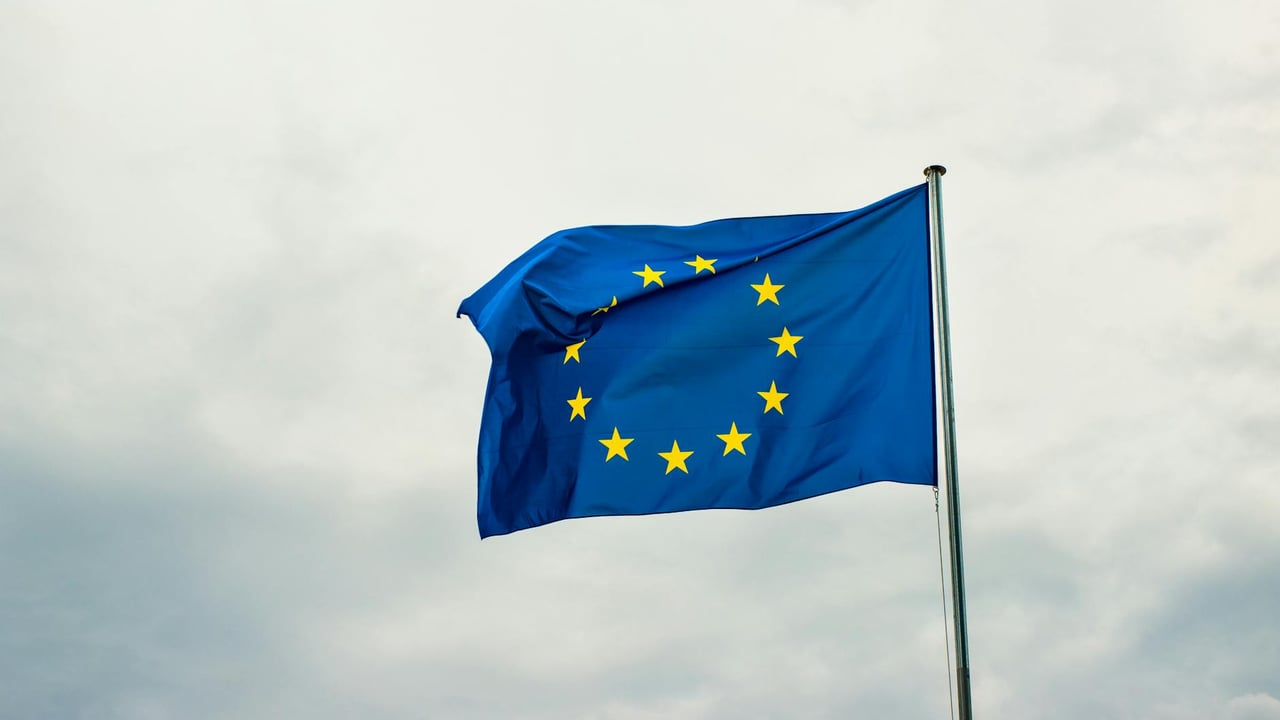

At a Berlin conference branded "Europe 2026," France's foreign minister—identified in Chinese coverage as "Barro"—suggested that Canada might one day join the European Union, a remark that drew applause from the audience. The comment was offered in a panel debate and framed alongside a prediction that Iceland could become an EU member in weeks or months, and that nine countries currently hold formal candidate status.
The minister did not present Canada’s accession as a concrete policy proposal but as part of a broader argument that the EU is coalescing into a distinct global power capable of balancing competition between China and the United States. He cast the bloc's appeal in terms of economic weight, democratic governance and rule-setting capacity, arguing that these attributes increasingly attract partners well beyond Europe's geographical borders.
The idea found an unlikely echo from Finland's president, Alexander Stubb, who, while jogging with Canada's prime minister, suggested Canada should "seriously consider" EU membership. Ottawa has repeatedly emphasised it seeks a deeper relationship with Europe rather than formal accession; Canadian officials have previously said membership is not on the table even as they pursue tighter political and economic ties.
Whatever its immediate intent, the suggestion confronts hard legal and political realities. EU treaties have so far contemplated membership for "European states," the accession process presupposes geographic and institutional alignment, and admitting a transatlantic country would be unprecedented. Practically speaking, closer integration is likelier to take the form of bespoke partnership arrangements—enhanced trade agreements, sectoral alignment, security cooperation or an expanded single-market-like relationship—rather than full membership.
The exchange is nevertheless revealing. In rhetorical terms it signals an EU eager to project itself as a global pole of attraction and standard-setting, seeking to convert soft power into deeper alliances as geopolitical competition intensifies. For Brussels, pitching the EU as an inclusive hub of economic governance and democratic norms helps both to underline its strategic autonomy and to broaden its diplomatic network beyond the conventional European neighbourhood.
Real-world consequences are likely to be modest but non-trivial. The proposal will provoke debate about the EU's identity and enlargement fatigue among member states, spur conversations in Ottawa about the shape of transatlantic cooperation, and serve as a diplomatic nudge—an invitation to imagine deeper ties rather than an imminent constitutional change. As a political gesture, it will test how far Europe's capitals are willing to stretch the language of partnership while preserving the legal and political boundaries that define the Union.