

Elon Musk has once again signaled his intention to rewrite the rules of global infrastructure, this time targeting the very foundation of the modern digital age: semiconductor manufacturing. Frustrated by the ‘glacial’ pace of traditional chip giants like TSMC, Samsung, and Micron, Musk officially unveiled the Terafab project during a high-stakes presentation in Austin. This joint venture between SpaceX and Tesla aims to produce one terawatt of computing power annually, a figure that represents roughly 50 times the current total global output of the semiconductor industry.
The logic behind Terafab is as much about energy as it is about silicon. Musk argues that Earth-bound AI development is rapidly hitting a ‘power wall.’ Because the Earth receives only a billionth of the sun’s total radiation and human civilization consumes a mere trillionth of that energy, the terrestrial power grid cannot sustain the exponential growth of intelligence. By contrast, space offers a 24/7 sun-drenched environment without atmospheric interference or seasonal cycles, providing at least five times the solar energy density available on the ground.
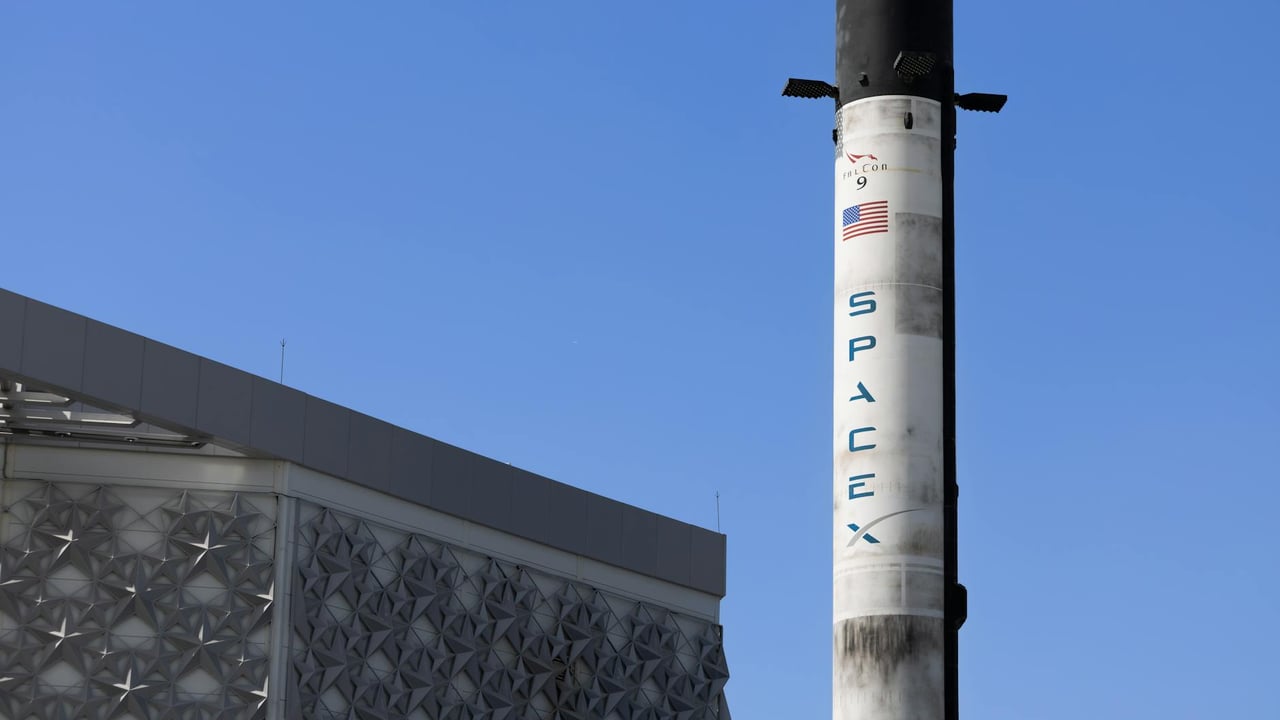
To bridge the gap between Earth and orbit, Musk is betting on Starship. The vision involves SpaceX’s next-generation heavy-lift vehicle ferrying 10 million tons of payload annually into low Earth orbit. Once there, high-power AI chips—specifically designed to withstand the harsh radiation and thermal challenges of space—will form a massive, orbital compute layer. Musk predicts that within three years, the cost of deploying AI in space will drop below terrestrial costs, effectively making orbital compute the only logical choice for a post-scarcity robot economy.
The Austin facility will serve as the world’s first truly vertically integrated semiconductor hub. Unlike traditional foundries that rely on fragmented global supply chains for logic, memory, and lithography masks, Terafab aims to house the entire recursive design-to-manufacturing loop under one roof. This proximity is designed to enable a 10x acceleration in chip iteration, allowing Musk’s engineers to test, fail, and refine hardware in a matter of days rather than months.
Ultimately, Musk views Terafab as a stepping stone to the Kardashev Scale—a method of measuring a civilization’s level of technological advancement based on the amount of energy it can use. By moving compute to space and eventually building electromagnetic mass drivers on the Moon to launch payloads without rockets, Musk believes humanity can transition into a Type I civilization. This is not merely a business expansion; it is an ideological shift toward a ‘Culture-style’ post-scarcity future where robots produce abundance and the stars become accessible to all.