
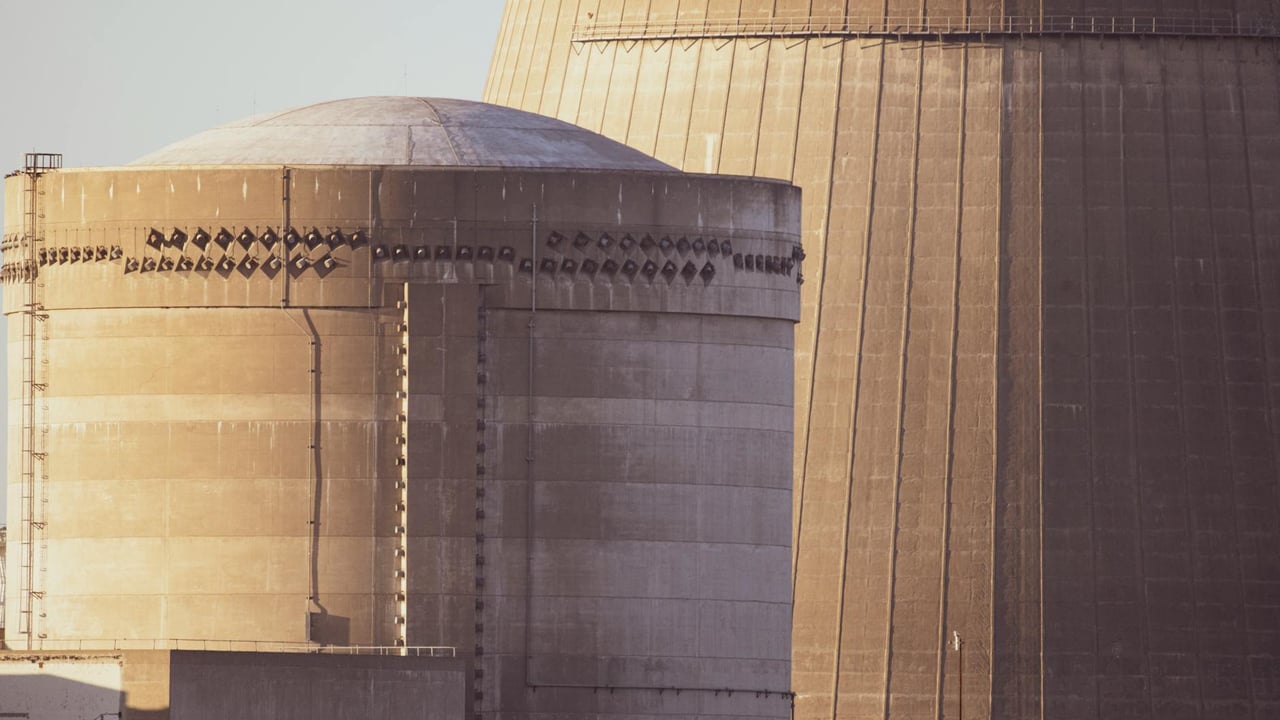

The shadow war between Iran and Israel has entered a perilous new phase following the 'True Promise-4' operation. On the night of March 21, 2026, the Iranian Islamic Revolutionary Guard Corps (IRGC) launched its 73rd wave of strikes, utilizing a sophisticated mix of drones and missiles. Unlike previous volleys, this attack successfully breached the air defenses protecting some of the most sensitive real estate in the Middle East: the Negev Nuclear Research Center.
Israeli Prime Minister Benjamin Netanyahu characterized the events as a 'very difficult night' as missiles struck the southern cities of Dimona and Arad. For the first time since the escalation began in February, Iran’s ballistic capabilities appeared to outmatch the multi-layered defense systems surrounding Israel’s undeclared nuclear weapons site. While the International Atomic Energy Agency (IAEA) reports no immediate structural damage or radiation leaks, the psychological and strategic red line has been decisively crossed.
This escalation is a direct response to a prior strike on Iran’s Natanz nuclear facility, an operation the Israeli military has neither confirmed nor denied, but which regional sources attribute to U.S.-Israeli coordination. The cycle of retaliation is no longer confined to proxy skirmishes in Lebanon or Syria; it is now a direct, high-stakes duel targeting the domestic energy and nuclear infrastructure of both nations.
The geopolitical stakes have been further heightened by a characteristically blunt ultimatum from U.S. President Donald Trump. Threatening to dismantle Iran’s entire power grid if the Strait of Hormuz is not fully cleared of threats within 48 hours, the White House has signaled a shift toward targeting civilian life-support systems. In response, Tehran has warned that any strike on its energy sector will trigger reciprocal attacks on desalination plants and IT infrastructure across the Middle East.
As the Strait of Hormuz—the world’s most vital energy artery—faces prolonged disruption, global oil prices are surging toward historic highs. The transition from military-to-military engagement to threats against 'soft' infrastructure like water and electricity suggests a slide toward total war. International observers now fear that the margin for diplomatic error has vanished, replaced by a hair-trigger reality where a single successful strike on a reactor could transform a regional conflict into a continental catastrophe.