

Tehran has officially articulated its price for peace, signaling a definitive end to the era of shadow boxing with the United States and Israel. According to Iranian security officials, the Islamic Republic has laid out six non-negotiable conditions for a ceasefire, framed within a multi-month strategy of "strategic patience." This phased escalation suggests that the recent spikes in regional violence are not reactive, but rather components of a deliberate campaign to recalibrate the Middle Eastern balance of power.
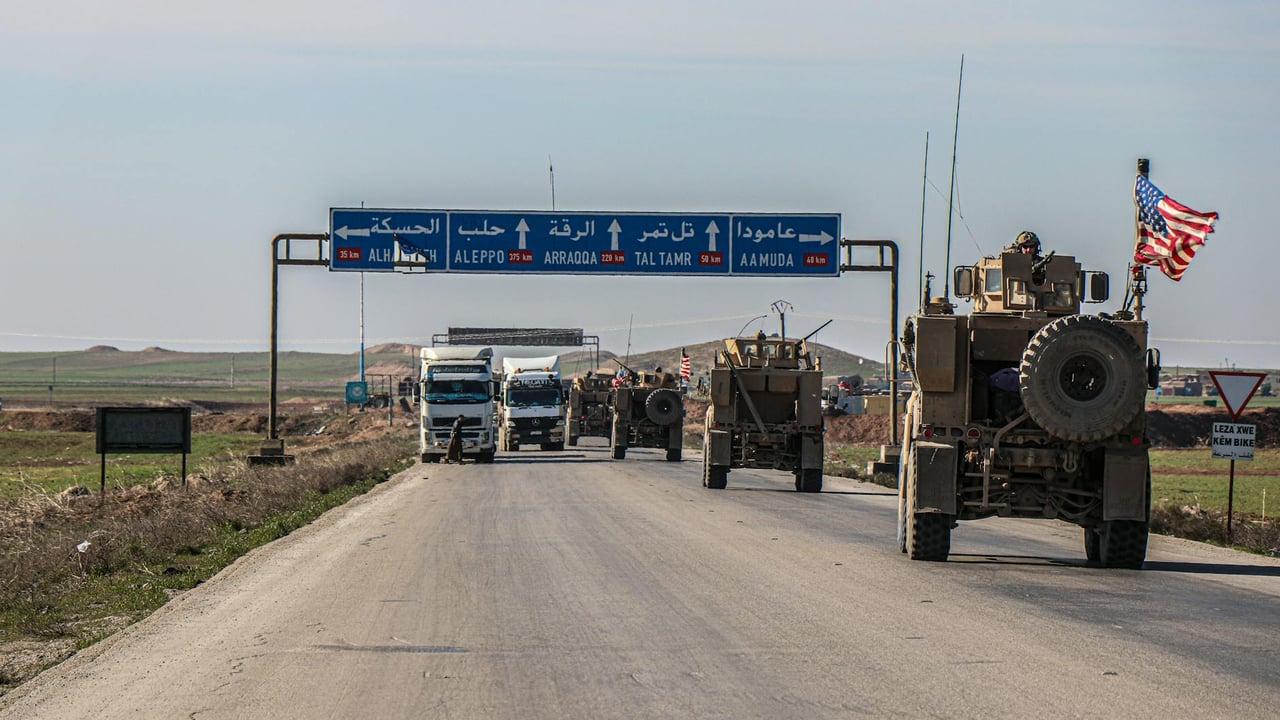
At the heart of Tehran's demands is the total closure of American military installations across the Middle East. This maximalist objective seeks to achieve through conflict what decades of diplomacy have failed to do: the complete decoupling of Washington from the Persian Gulf and the Levant. By tying a ceasefire to the removal of the U.S. "security umbrella," Iran is testing the political will of the West to sustain its regional footprint under sustained military pressure.
Military claims accompanying these demands emphasize a newfound confidence in Iran’s domestic defense industry. Iranian officials now assert total control over their regional airspace, citing the systemic degradation of Western-aligned air defense infrastructures in recent months. While these claims likely contain a degree of psychological warfare, the effectiveness of Iranian drone and missile swarms has forced a sober reassessment of regional deterrence by global military analysts.
Despite ongoing mediation efforts by regional actors, the prospect for an immediate cessation of hostilities remains bleak. Tehran’s insistence on "punishing the aggressor" implies that the Islamic Republic views the current friction as a necessary corrective to historical grievances. For the Iranian leadership, a ceasefire without structural changes to the regional presence of the U.S. and Israel would be viewed as a tactical failure rather than a strategic victory.
This rigid stance places international mediators in an increasingly difficult position. With the U.S. unlikely to abandon its regional bases under duress and Israel maintaining its doctrine of preemptive strikes, the conflict appears destined for a protracted war of attrition. The "six conditions" are therefore less a roadmap for peace and more a manifesto for a new, Iran-centric regional order.