
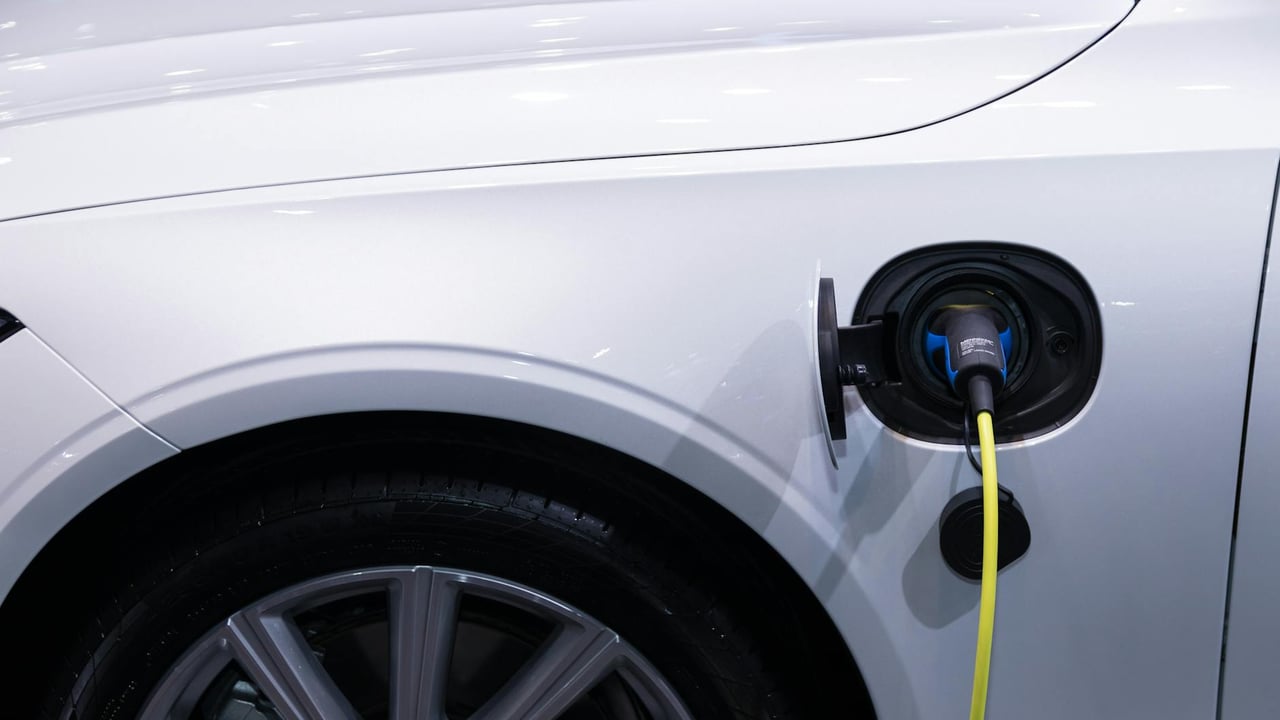

For car buyers in Melbourne and Manila, the math of mobility has reached a painful inflection point. With Australian fuel prices surging past 2.30 AUD per liter, the cost of filling a standard 50-liter tank has climbed to over 100 AUD. In contrast, charging a mid-sized electric vehicle (EV) costs roughly 24 AUD, making internal combustion engine (ICE) travel four times more expensive than its electric counterpart. This widening economic chasm is driving a historic shift in consumer behavior across the Asia-Pacific region.
In Australia, a market traditionally dominated by Japanese legacy automakers, a significant milestone was reached in February. For the first time, Chinese brand sales surpassed those of their Japanese rivals, as consumers fled rising fuel costs in favor of affordable electric alternatives. Dealerships for Chinese giants like BYD and XPeng report a 30% surge in floor traffic, with sales teams working overtime to meet a demand that has seen monthly targets met in as little as two weeks. The surge is not merely a reaction to pump prices; it represents a strategic capture of the 'value-conscious' segment by Chinese firms.
Automakers such as GAC and BYD are capitalizing on this momentum with aggressive localized strategies. In Australia, GAC’s Aion UT is being launched with significant 'early bird' discounts and free home charging installations to lure drivers away from their petrol-dependent vehicles. Similarly, models like the BYD Atto 3 and the Sea Lion 07 are being positioned as direct, cost-effective competitors to Tesla’s Model Y, offering comparable tech at a price point that undercuts established western and Japanese incumbents.
This trend is echoed across Southeast Asia, from Singapore to Indonesia, where Chinese EV orders are hitting record highs. For the leadership in Beijing and the boardrooms of Shenzhen, these developments are a validation of long-term export strategies. Major players have set ambitious targets for 2026, with BYD aiming for 1.3 million overseas sales and XPeng planning to double its international volume annually. The goal is no longer just domestic dominance, but a fundamental reshaping of the global automotive hierarchy.
However, the path forward is not without friction. While high oil prices act as a catalyst for EV adoption, they also inflate the costs of petrochemical-based components and international logistics. Furthermore, in regions like Europe, the rising cost of natural gas is beginning to push electricity prices upward, potentially narrowing the operational cost advantage of EVs. To mitigate these risks, Chinese automakers are pivoting toward localizing their supply chains and manufacturing hubs in key overseas markets to ensure long-term resilience against energy price volatility.