Bogota’s Heavy Lift Crisis: Colombian Hercules Crash Highlights Aging Fleet Vulnerabilities

A Colombian Aerospace Force C-130 Hercules crashed during takeoff on March 23, resulting in at least 48 injuries among the 125 personnel on board. The incident raises urgent questions about the maintenance and longevity of Colombia's aging transport fleet, which is vital for the country's internal security and logistics.

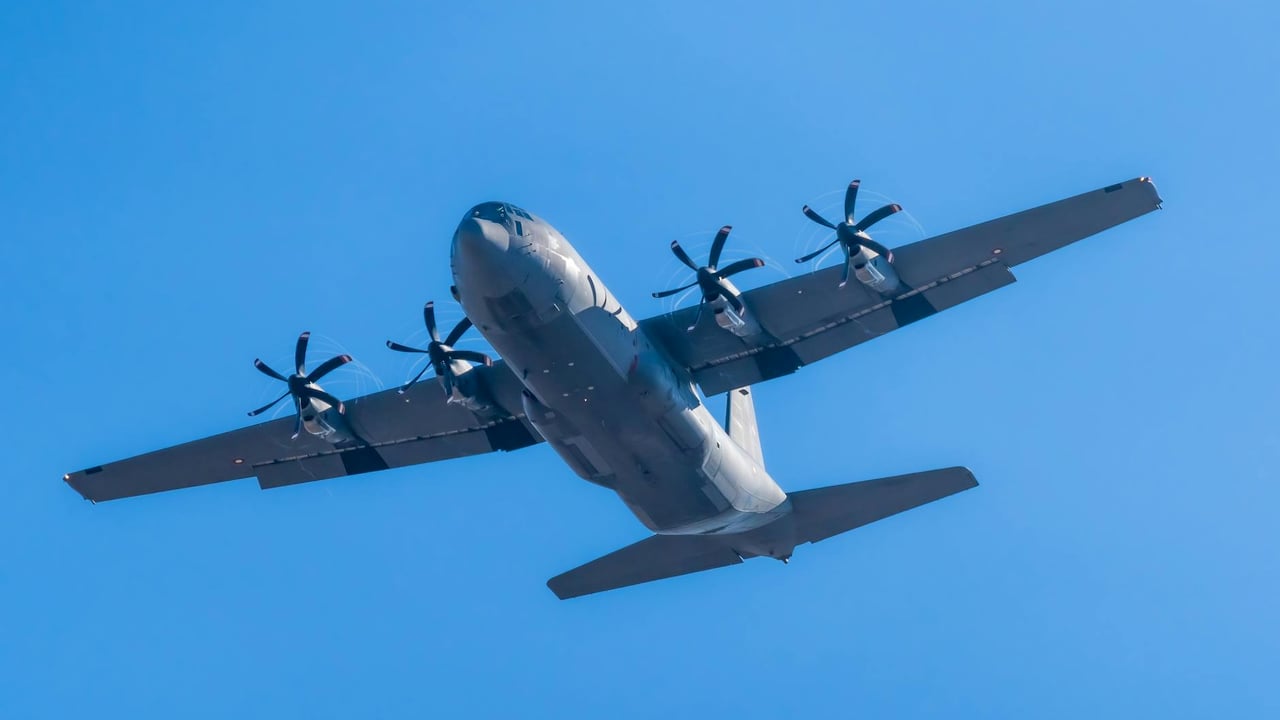
A C-130 Hercules military aircraft soaring in clear blue skies.

Key Takeaways

  • 1A total of 125 personnel, including 114 troops and 11 crew, were on board the C-130 at the time of the crash.
  • 2At least 48 people have been hospitalized following the accident during takeoff.
  • 3The C-130 Hercules is a critical strategic asset for the Colombian military's transport and logistics operations.
  • 4The incident underscores potential issues regarding the maintenance and airworthiness of Colombia's aging military transport fleet.
  • 5The crash occurred on March 23, 2026, and is being investigated by the Colombian Aerospace Force.

Editor's
Desk

Strategic Analysis

The crash of a C-130 Hercules in Colombia underscores a systemic challenge facing many Latin American militaries: the 'sustainment gap' of legacy platforms. While the Hercules is renowned for its durability, operating these heavy-lifters in high-altitude, tropical environments accelerates structural fatigue. This incident is likely to push Bogota to reconsider its procurement strategy, potentially accelerating a pivot toward modern alternatives like the Brazilian-made Embraer C-390. Beyond the immediate human cost, the temporary grounding or loss of a C-130 airframe severely hampers Colombia's ability to maintain a presence in its peripheral territories, where air mobility is the only viable link for state authority and humanitarian response.

China Daily Brief Editorial
Strategic Insight
China Daily Brief

On the morning of March 23, 2026, a C-130 Hercules transport aircraft belonging to the Colombian Aerospace Force suffered a catastrophic failure shortly after takeoff. The incident, confirmed by Commander Carlos of the Colombian Aerospace Force, involved 114 military personnel and 11 crew members, marking one of the most significant aviation mishaps for the country's military in recent years.

Initial reports indicate that at least 48 individuals have been rushed to nearby medical facilities, though the full extent of casualties remains under assessment. For a nation like Colombia, where the rugged Andean topography makes heavy-lift aerial transport a cornerstone of national security, the loss of a "Hercules" is more than a tactical setback; it is a blow to the military’s logistical backbone.

The C-130 has long been the workhorse of the Colombian military, essential for troop deployment in counter-insurgency operations and delivering humanitarian aid to isolated regions. However, the aging nature of these airframes has been a growing concern among regional defense analysts, as maintenance costs climb and availability rates fluctuate in demanding tropical environments.

This crash will likely reignite debates within the Ministry of National Defense regarding the pace of fleet modernization and the reliability of legacy hardware. As Bogota balances domestic security needs with fiscal constraints, the sustainability of its transport capabilities will come under intense scrutiny by both the government and its international defense partners.

Share Article

Related Articles

📰
No related articles found