
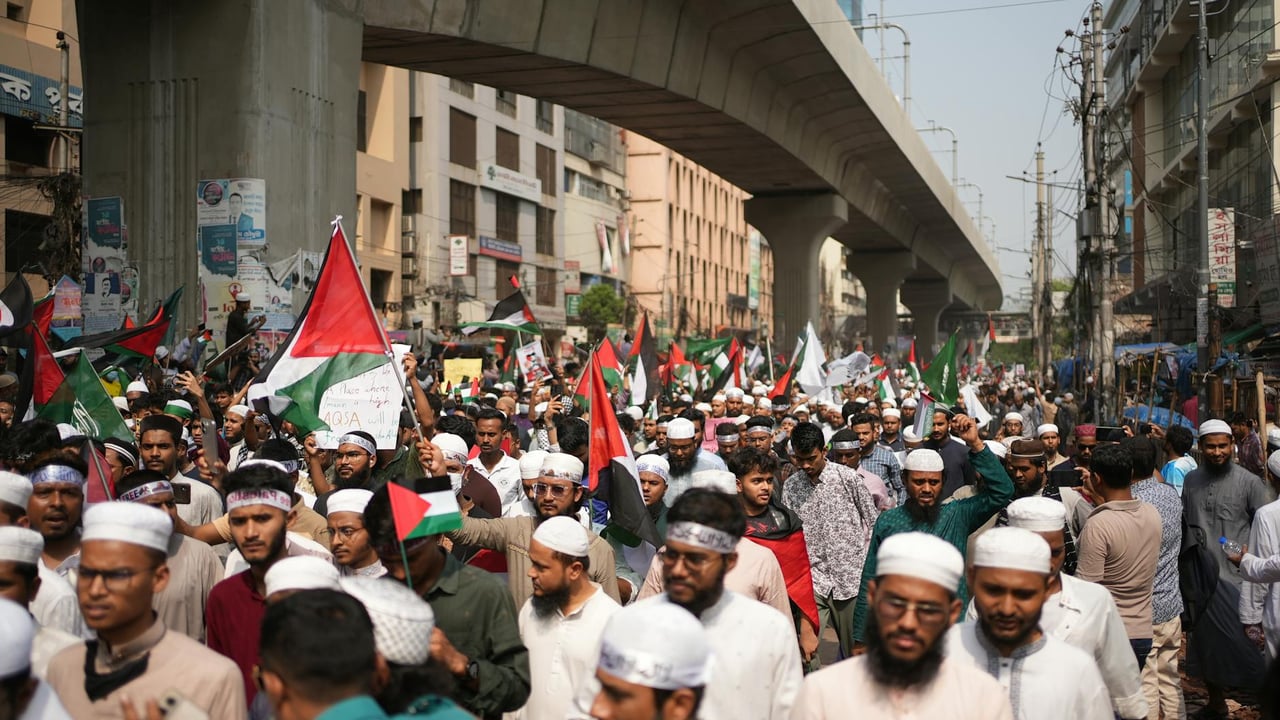

The Middle East has entered a perilous phase of strategic dissonance, where the roar of artillery is increasingly accompanied by a collapse in diplomatic clarity. As of late March 2026, the ongoing conflict involving the United States, Israel, and Iran has transitioned from a series of shadow plays into a sustained and overt theater of war. The regional architecture, long strained by proxy battles, now faces the immediate threat of a comprehensive conflagration.
Washington has recently asserted that it is maintaining active, albeit discrete, dialogue with Tehran in an attempt to manage the current escalation and avoid a total regional breakdown. This claim, intended to signal to global markets and nervous allies that a diplomatic off-ramp remains viable, was almost immediately met with a categorical denial from Iranian officials. This public rebuttal suggests a profound breakdown in the trust required for backchannel mediation, or perhaps a tactical decision by Iran to maintain a posture of total resistance.
Simultaneously, the military dimension of the crisis continues to intensify as Israel and US forces engage in synchronized operations against Iranian-aligned assets across multiple borders. The persistence of these hostilities despite purported diplomatic overtures indicates that neither side has yet found a credible path to de-escalation that does not involve significant territorial or political concessions. The gap between Washington's narrative of engagement and Tehran's rhetoric of denial points to a dangerous miscalculation in the efficacy of modern deterrence.
For the global community, the implications of this tripartite conflict extend far beyond the immediate geography of the Levant and the Persian Gulf. The volatility of the situation has already begun to ripple through international energy markets and maritime trade routes, forcing a recalculation of global security priorities. As the 'war of words' diverges further from the reality on the ground, the risk of an accidental slide into a broader global crisis grows more acute with each passing day.