
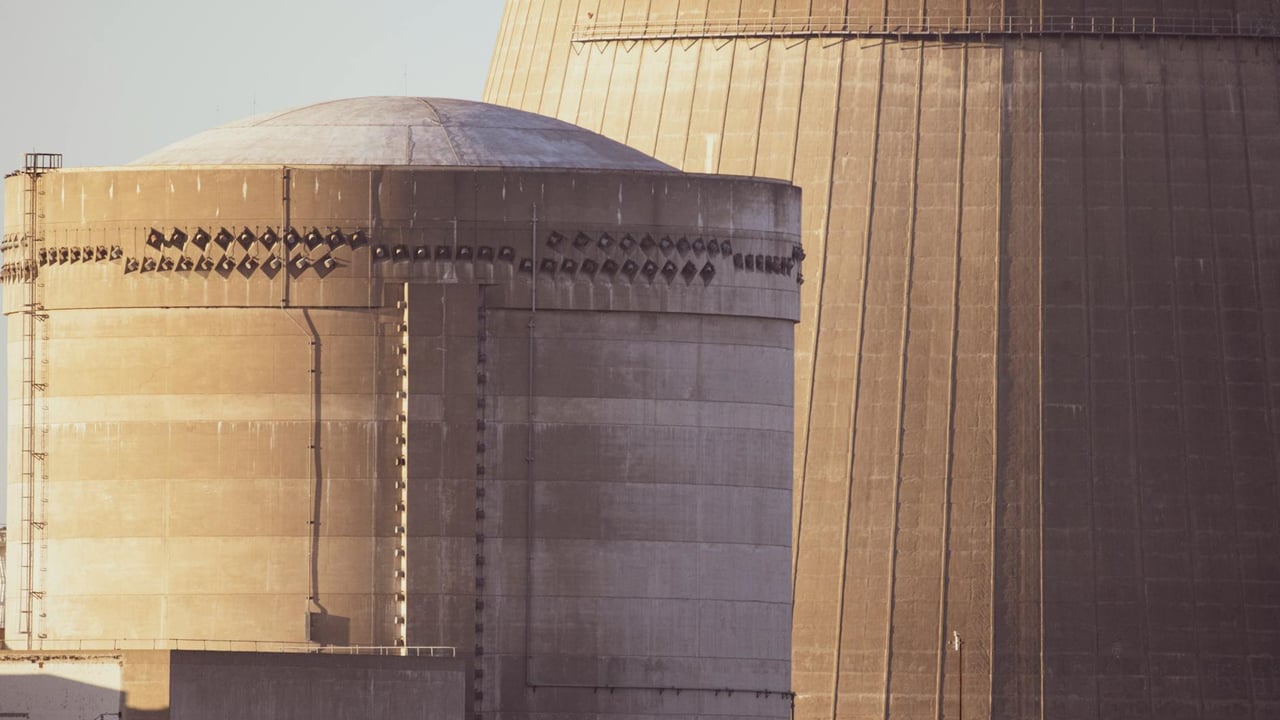

The insatiable appetite of artificial intelligence for electricity has forced a radical realignment between the titans of Silicon Valley and the traditional energy sector. In a significant move to secure the future of high-performance computing, Microsoft and Nvidia have announced a strategic partnership to develop AI-driven tools specifically for nuclear energy licensing and reactor design. This collaboration aims to leverage generative AI and digital twin technology to navigate the notoriously complex regulatory environment that has long stifled the expansion of carbon-free nuclear power.
For decades, the nuclear industry has been hamstrung by a licensing process that is both glacial and prohibitively expensive, often taking upwards of ten years for a single reactor to reach the construction phase. By integrating Nvidia’s advanced simulation capabilities with Microsoft’s cloud infrastructure, the duo intends to create 'digital twins' of nuclear facilities. These virtual models allow for high-fidelity safety testing and design optimization in a digital environment, potentially shaving years off the bureaucratic approval cycle by providing regulators with robust, pre-validated data.
This partnership marks a critical pivot in how Big Tech views its role in the global energy transition. No longer content to merely purchase renewable energy credits, companies like Microsoft are increasingly acting as architects of the energy grid itself. As the training of large language models shifts from massive data centers to even larger 'gigawatt-scale' clusters, the need for 'baseload' power—electricity that is available 24/7 regardless of weather conditions—has made nuclear energy an indispensable part of the tech industry’s long-term roadmap.
The strategic implications extend beyond mere power supply. By automating the design and licensing phases, Microsoft and Nvidia are positioning themselves at the center of the Small Modular Reactor (SMR) movement. If successful, these AI tools could standardize the deployment of smaller, more flexible nuclear units, transforming a sector characterized by bespoke, over-budget projects into a streamlined, scalable technology industry. In doing so, they are not just fueling their own chips; they are attempting to rewrite the engineering manual for the next century of energy production.