Beijing’s Balancing Act: China’s Mideast Envoy Convenes with Israeli Ambassador Amid Rising Regional Heat

Chinese Special Envoy Zhai Jun met with the Israeli Ambassador to discuss escalating tensions in the Middle East. The meeting highlights China's ongoing efforts to project itself as a neutral mediator and a responsible global power in a volatile region.

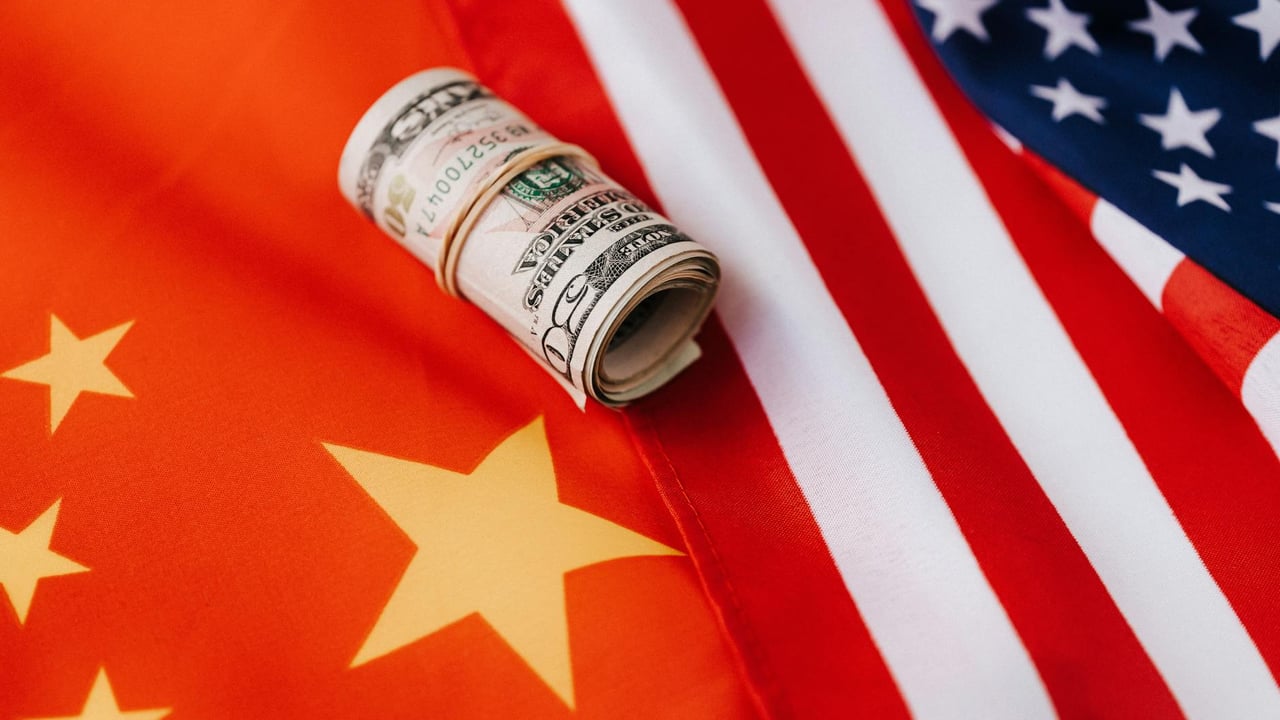
A rolled US dollar placed on overlapping USA and China flags, symbolizing international trade relations.

Key Takeaways

  • 1Special Envoy Zhai Jun held high-level talks with Israeli Ambassador Irit Ben-Abba in Beijing.
  • 2The discussions focused on the 'current tense situation' in the Middle East, a likely reference to ongoing regional security crises.
  • 3The meeting reaffirms China's desire to play an active role in Middle Eastern diplomacy following its successful mediation between Saudi Arabia and Iran.
  • 4Israel continues to engage with Beijing to manage the influence of a global power that maintains ties with its regional adversaries.

Editor's
Desk

Strategic Analysis

Beijing's diplomatic outreach to Israel is part of a broader 'great power' competition strategy. By engaging directly with Israeli leadership, China seeks to contrast its diplomatic-first approach with what it characterizes as the 'confrontational' military-heavy strategy of the United States. However, China’s influence remains largely rhetorical and economic; its ability to actually enforce security guarantees or sway Israeli military policy is limited. The real significance lies in the optics of the 'responsible stakeholder'—Beijing wants to prove that no major Middle Eastern resolution can happen without its consent or participation, effectively challenging the long-standing U.S. monopoly on regional mediation.

China Daily Brief Editorial
Strategic Insight
China Daily Brief

In a diplomatic maneuver that underscores Beijing's deepening involvement in West Asian security, Zhai Jun, China’s Special Envoy on the Middle East, met with Israeli Ambassador Irit Ben-Abba on March 24, 2026. The meeting took place against a backdrop of intensifying regional instability, serving as a critical touchpoint for two nations whose relationship has been tested by the shifting sands of global geopolitics.

While the official readout remained characteristically sparse, the timing of the encounter is significant. As tensions across the Middle East threaten to spill over into broader conflict, Beijing is positioning itself as a primary mediator, attempting to fill the vacuum often left by fluctuating American engagement. Zhai Jun, a seasoned diplomat, has been the face of China's 'pro-peace' rhetoric, which frequently calls for immediate de-escalation and a return to the two-state solution.

For Israel, maintaining a channel with Beijing is a strategic necessity despite China's historical leanings toward Palestinian narratives and its burgeoning partnership with Iran. Israel views China not just as a global superpower with a seat on the UN Security Council, but as a vital economic partner that holds significant leverage over regional actors that are hostile to the Jewish state.

China's approach continues to be one of 'balanced neutrality,' a stance that allows it to criticize Western military intervention while simultaneously promoting its own Global Security Initiative. By hosting the Israeli envoy, Beijing signals to the international community that it remains a credible stakeholder capable of speaking to all sides of the fractious Middle Eastern divide.

Share Article

Related Articles

📰
No related articles found