
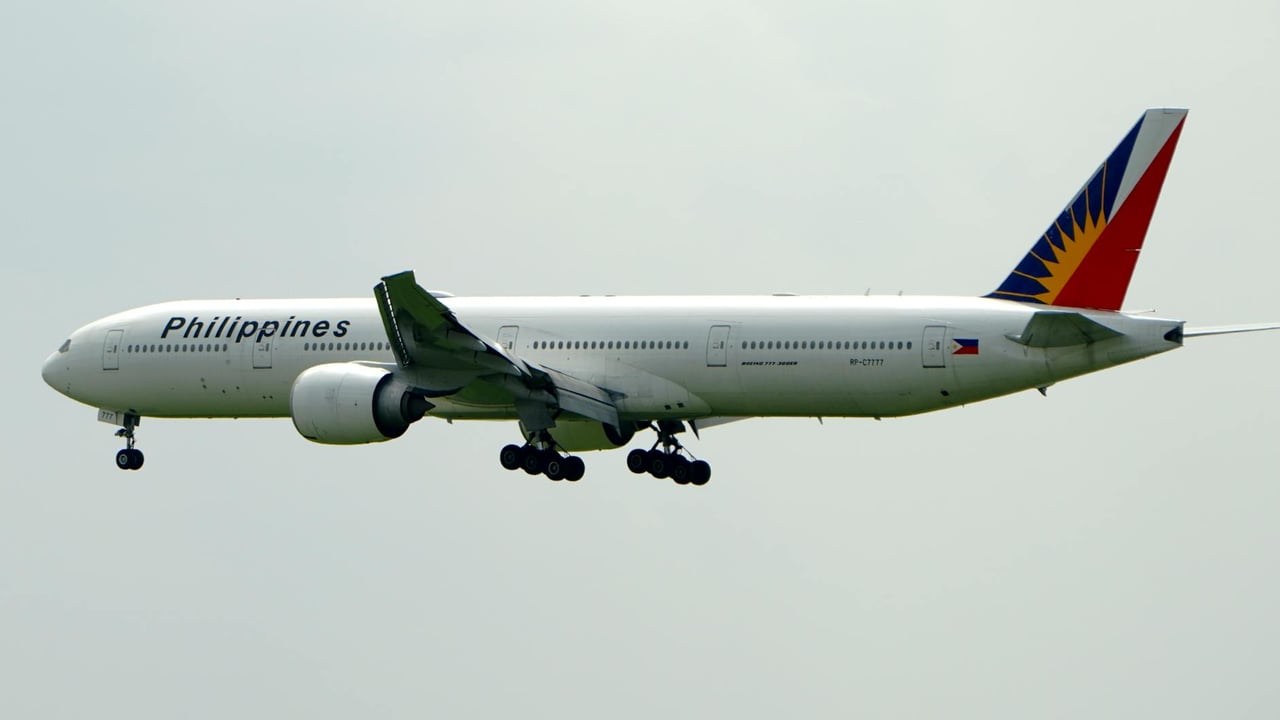

President Ferdinand Marcos Jr. has sounded an alarm over the potential grounding of Philippine aircraft, as regional instability in the Middle East begins to rattle the archipelago’s energy security. Speaking to international media, Marcos signaled that the escalating conflict involving the United States, Israel, and Iran has triggered a critical shortage of aviation fuel that could soon manifest as canceled flights and disrupted logistics. This warning highlights the fragility of a nation heavily reliant on external energy sources to maintain its domestic and international connectivity.
The operational reality for Philippine carriers is already shifting toward a defensive posture. According to the President, several countries have notified Philippine airlines that refueling services can no longer be guaranteed, forcing aircraft to engage in 'tankering'—the practice of carrying enough fuel for both the outbound and return journeys. While this ensures a return flight, it significantly increases the aircraft's weight, leading to higher fuel consumption and reduced cargo or passenger capacity, particularly on the long-haul routes that serve as the nation’s economic lifelines.
Interestingly, the President’s somber assessment appears to clash with more optimistic projections from his own cabinet. Earlier the same day, Energy Secretary Sharon Garin briefed the public that fuel supplies remained sufficient following consultations with major carriers. This disconnect suggests a growing anxiety within the Malacañang Palace that perhaps outpaces current inventory levels, reflecting a leadership that is bracing for a worst-case scenario rather than relying on current stockpiles.
The Philippine Chamber of Commerce and Industry has echoed these concerns, noting that the country's extreme dependence on Middle Eastern crude makes it a primary victim of geopolitical volatility. Beyond the immediate threat to the aviation sector, the business community fears a wider contagion. Rising fuel costs are historically a precursor to runaway inflation in the Philippines, threatening to erode the purchasing power of a population already sensitive to price fluctuations in essential goods.
Moreover, the crisis poses a strategic threat to the country’s unique economic model, which relies heavily on remittances from Overseas Filipino Workers (OFWs). If air travel is restricted or becomes prohibitively expensive, the movement of labor—the Philippines' most successful export—could stall. With the government now being urged to seek alternative energy channels, the current fuel scare serves as a stark reminder of the urgent need for structural energy reform to insulate the economy from the whims of global conflict.