Geopolitical Tremors: Middle East Conflict Stalls Europe’s Fragile Economic Engine

The Eurozone's economic recovery is slowing significantly as Middle East hostilities drive up inflation and dampen growth. With the ECB forecasting a mere 0.9% growth for 2026, the region remains highly vulnerable to external energy shocks.

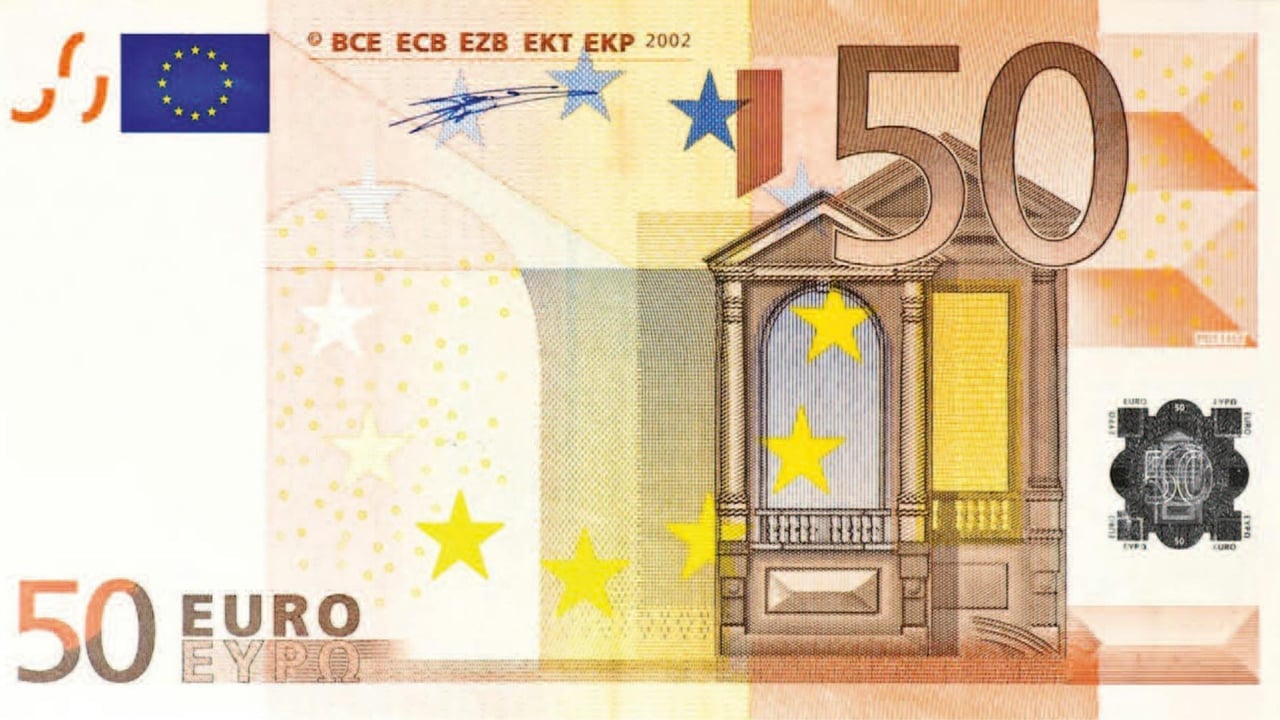
Detailed image of a 50 euro banknote featuring European Union symbols and architecture.

Key Takeaways

  • 1Geopolitical conflict involving the US, Israel, and Iran is the primary driver behind the Eurozone's economic deceleration.
  • 2The European Central Bank has revised 2026 growth projections downward to a sluggish 0.9%.
  • 3Inflation remains a persistent threat, with a forecasted rate of 2.6% for 2026, well above the desired stability targets.
  • 4Rising energy costs are having a visible impact on consumer behavior and business operations in major European cities like Rome and Vienna.

Editor's
Desk

Strategic Analysis

The Eurozone’s current predicament underscores its enduring 'Achilles' heel': a deep-seated structural dependence on external energy stability. While the bloc has made strides in diversifying its energy mix, the sheer scale of a US-Israel-Iran escalation creates a supply-side shock that monetary policy is ill-equipped to handle alone. We are seeing a shift from 'transitory' inflation to a semi-permanent state of geopolitical risk premium, which may force the ECB into a more hawkish stance than the stagnating growth rate would otherwise dictate. For global investors, this signals that Europe will likely remain a laggard in the global recovery as long as the Middle East remains a flashpoint.

China Daily Brief Editorial
Strategic Insight
China Daily Brief

The fragile green shoots of the Eurozone’s economic recovery are once again being trampled by the boots of geopolitical instability. As the conflict involving the United States, Israel, and Iran intensifies, the direct spillover effects are manifesting across the continent, from the shuttered markets of Rome to the soaring price displays at Viennese petrol stations.

Recent forecasts from the European Central Bank highlight a sobering trajectory for the bloc’s 20-nation economy. Initial hopes for a robust post-crisis bounce-back have been replaced by projections of a mere 0.9% growth rate for 2026, a figure that reflects the heavy toll of prolonged regional volatility on trade and consumer confidence.

Central to this slowdown is the resurgence of inflationary pressures, driven largely by the volatility of energy imports. With headline inflation expected to persist at 2.6% through 2026, the ECB finds itself in a precarious position, forced to balance the need for growth-stimulating rate cuts against the reality of imported price shocks.

This economic malaise is not merely a matter of data points on a spreadsheet; it is visibly altering the daily lives of European citizens. The sight of rising fuel prices and temporary business closures in major capitals underscores the reality that Europe’s economic destiny remains deeply intertwined with the stability of the Middle East.

Share Article

Related Articles

📰
No related articles found