Fueling Crisis: Marcos Warns of Grounded Flights as Middle East Tensions Choke Philippine Supplies

Philippine President Ferdinand Marcos Jr. warned that domestic flights may be grounded due to aviation fuel shortages caused by Middle East conflicts. The crisis highlights the country's extreme vulnerability to energy imports and global supply chain disruptions.

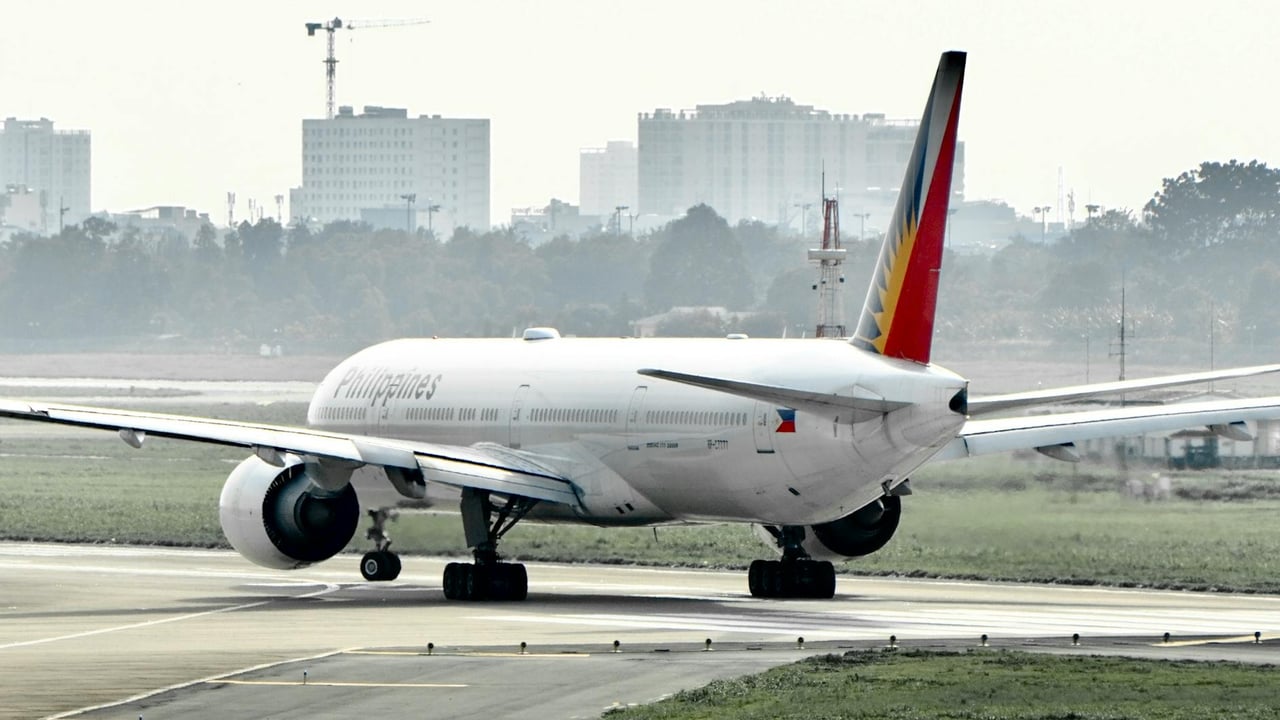
Airplane taxiing at an airport runway with city skyline in the background.

Key Takeaways

  • 1President Marcos identified flight groundings as a 'distinct possibility' due to regional instability.
  • 2Airlines are being forced to use 'tankering' strategies because foreign airports are refusing refueling services.
  • 3A disconnect exists between the President's warning and the Energy Secretary's claim of sufficient fuel orders.
  • 4The Philippines is more vulnerable to fuel spikes than its neighbors due to high dependence on Middle Eastern crude.
  • 5Economic leaders warn of a ripple effect including high inflation and diminished purchasing power.

Editor's
Desk

Strategic Analysis

The current crisis underscores the strategic precariousness of the Marcos administration's foreign policy calculus. While Manila has pivotally strengthened its security ties with Washington to counter regional threats, it remains tethered to the Middle East for its economic lifeblood. This 'energy-security gap' limits the Philippines' maneuverability in global affairs; the country is effectively a hostage to conflicts thousands of miles away. Moving forward, the government's ability to diversify energy sources—or its failure to do so—will determine whether the Philippines can maintain its recent economic momentum or if it will be grounded by its own geographic and logistical constraints.

China Daily Brief Editorial
Strategic Insight
China Daily Brief

President Ferdinand Marcos Jr. has sounded an alarm that could signal a turbulent period for the Philippine aviation sector. Amidst escalating tensions involving the United States, Israel, and Iran, the President warned that flight groundings are now a "distinct possibility" due to a tightening global supply of aviation fuel.

The logistical strain is already being felt on the tarmac. Marcos noted that several countries have informed Philippine carriers they can no longer provide refueling services, forcing aircraft to carry enough fuel for their entire round-trip journey. This practice, known as "tankering," significantly reduces cargo capacity and increases operational costs, particularly for critical long-haul routes.

This executive warning highlights a curious disconnect within the Philippine administration. Only hours before the President's remarks, Energy Secretary Sharon Garin offered a more sanguine outlook, suggesting that fuel orders remained sufficient for the immediate future. Such conflicting narratives suggest a government grappling with the volatility of a market it cannot control.

The Philippines stands as a particularly vulnerable node in the global energy network. Unlike some of its Southeast Asian neighbors with more robust domestic production or strategic reserves, Manila remains heavily reliant on imported crude, primarily sourced from the Middle East. This dependency leaves the archipelago exposed to every tremor in the Strait of Hormuz.

Beyond the runways, the implications for the Philippine economy are sobering. The Philippine Chamber of Commerce has warned that soaring energy costs will inevitably bleed into consumer prices, fueling inflation and eroding purchasing power. For a nation that relies heavily on the remittances of overseas workers, any disruption to global travel poses a systemic threat to its financial stability.

Share Article

Related Articles

📰
No related articles found