
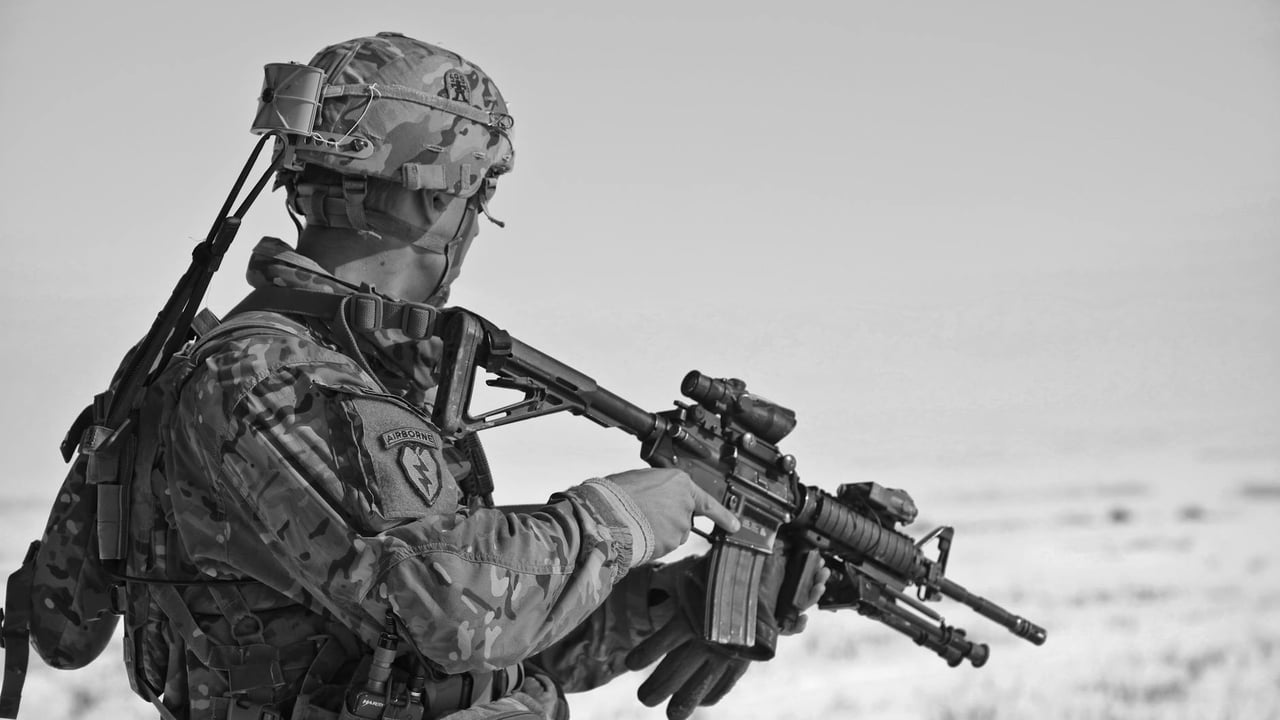

Recent reports of U.S. troop surges in the Middle East suggest the Trump administration is weighing a dramatic shift from standoff strikes to ground operations against Tehran. With elements of the 82nd Airborne Division and the 31st and 11th Marine Expeditionary Units reportedly in transit, the specter of a direct confrontation has moved from theoretical planning to tactical readiness. This mobilization signals a potential move toward high-stakes missions that could redefine the regional security architecture.
Military planners are reportedly eyeing several high-risk objectives, including the seizure of Iran's highly enriched uranium stockpiles located deep within the country. However, strategic experts warn that sites like Natanz and Isfahan are buried in the Iranian heartland, far from friendly borders and shielded by rugged terrain. A successful operation would require more than a simple special forces raid; it would necessitate a massive logistical tail and constant aerial surveillance that the U.S. might find difficult to sustain without incurring significant losses.
Another critical target identified by analysts is Kharg Island, the vital terminal through which approximately 90 percent of Iran's crude oil exports pass. While the U.S. military possesses the amphibious and aerial capacity to seize the island, holding it under the constant shadow of Iranian shore-based missiles and swarming drones would be a perilous endeavor. Experts like former CENTCOM Commander Joseph Votel suggest that while the island is capturable, the occupying forces would remain extremely vulnerable to localized counter-attacks.
Limited strikes along the Persian Gulf coast aimed at securing the Strait of Hormuz present their own set of tactical dilemmas. To achieve meaningful control over the strategic waterway, the U.S. would likely need to deploy tens of thousands of troops, far exceeding the current deployment levels. Small-scale raids risk becoming "meat grinders" where U.S. forces are exposed to persistent rocket and drone harassment, leading to a steady drain of resources and personnel without achieving a decisive victory.
The overarching fear among defense analysts is a "Vietnam-style quagmire" characterized by a prolonged asymmetric war of attrition. Iran’s long-standing "mosaic defense" strategy—which decentralizes command structures and utilizes the country's vast, mountainous geography—is specifically designed to trade space for time. By avoiding a head-on conventional battle, Tehran aims to bleed an invading force through a thousand small cuts, utilizing its sophisticated stockpile of missiles and unmanned systems.
As historical precedents in Iraq and Afghanistan suggest, American military engagements in the region often begin with overwhelming technical superiority but struggle with the complexities of long-term occupation. Iranian officials have already signaled their readiness for a protracted struggle, warning that a ground invasion would be a "catastrophe" for Washington. The ultimate risk remains that the U.S. could find itself caught in an escalatory spiral where the costs of staying and the costs of leaving are equally prohibitive.