A Costly Spark: The USS Gerald R. Ford’s Operational Halt in Crete

The USS Gerald R. Ford has docked at Souda Bay, Greece, for urgent repairs following an internal fire that damaged over 100 crew berths. The incident highlights the logistical challenges and operational vulnerabilities of the U.S. Navy's lead Ford-class supercarrier during its Mediterranean deployment.

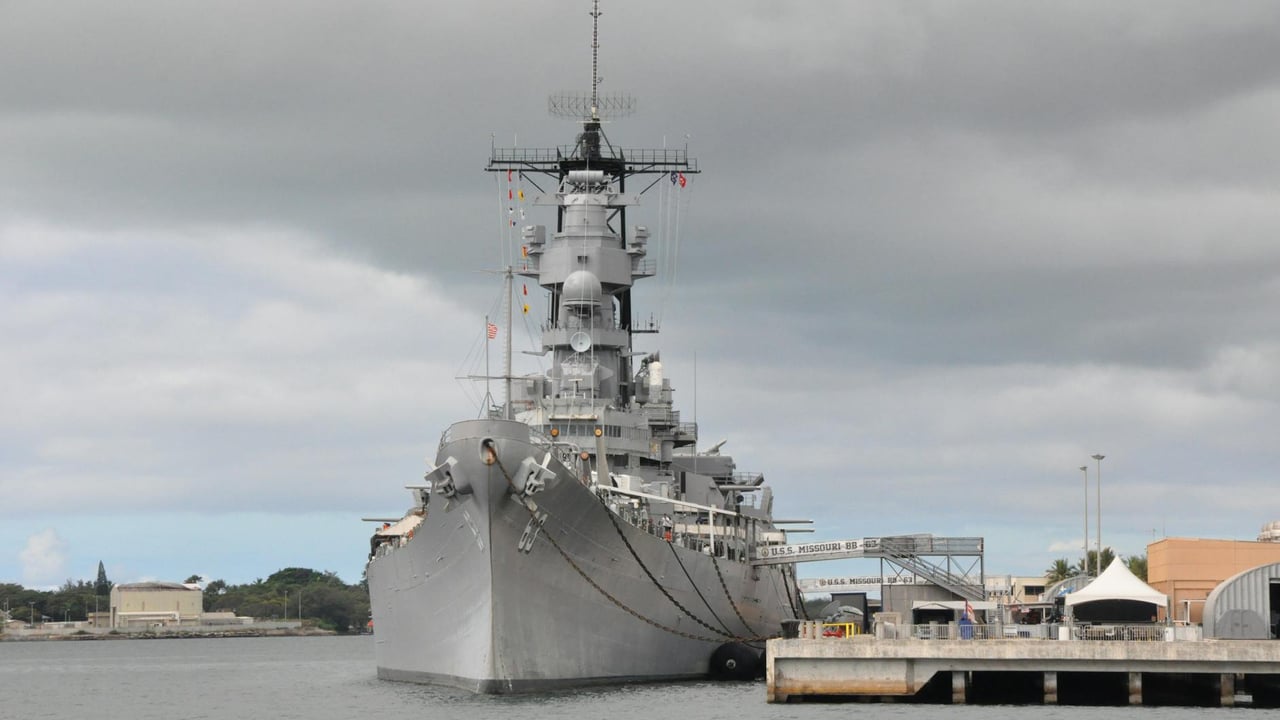
The iconic USS Missouri battleship docked at Pearl Harbor under a cloudy sky, Hawaii.

Key Takeaways

  • 1USS Gerald R. Ford arrived at Crete's Souda Bay on March 23 for repairs expected to last over a week.
  • 2The damage resulted from a fire in the ship's laundry room, impacting 100+ berths and multiple compartments.
  • 3Souda Bay is a vital NATO deep-water port capable of handling the massive scale of U.S. supercarriers.
  • 4The disruption removes a primary deterrent asset from active patrol in the Eastern Mediterranean.
  • 5This incident raises further questions regarding the operational resilience and maintenance requirements of the Ford-class ships.

Editor's
Desk

Strategic Analysis

The unscheduled repair of the USS Gerald R. Ford underscores a persistent vulnerability in the U.S. Navy's global posture: the 'fragility of the few.' With a limited number of operational carriers, any mechanical or accidental failure creates a vacuum in regional deterrence that is difficult to fill. The fact that a laundry room fire could compromise over 100 berths—potentially displacing a significant portion of the crew—suggests that even non-combat incidents can have outsized strategic impacts. As the U.S. seeks to balance presence in both the Mediterranean and the Indo-Pacific, such maintenance delays strain the carrier strike group rotation cycle and embolden regional actors who monitor U.S. naval readiness with a critical eye.

China Daily Brief Editorial
Strategic Insight
China Daily Brief

The USS Gerald R. Ford, the crown jewel of the United States Navy’s carrier fleet, has made an unscheduled arrival at the Souda Bay naval base on the Greek island of Crete. This diversion, reported by regional sources and confirmed by the arrival of the vessel on March 23, follows a disruptive internal fire that originated in the ship's laundry facilities.

While a laundry room blaze might sound like a minor technicality for a $13 billion nuclear-powered supercarrier, the operational fallout is far from trivial. The fire reportedly damaged over 100 berths and several adjacent compartments, rendering a significant portion of the ship's living quarters uninhabitable for the crew. This internal damage has forced the vessel to seek shore-based repairs, effectively sidelining the most advanced power-projection platform in the U.S. arsenal for at least a week.

Souda Bay serves as a critical strategic node for NATO operations in the Eastern Mediterranean, offering one of the few deep-water ports capable of accommodating a Ford-class carrier. Its logistical facilities are now tasked with restoring the ship's readiness at a time when the maritime security environment in the Levant and the Red Sea remains highly volatile. The speed at which these repairs are completed will be a litmus test for the Navy's forward-deployed maintenance capabilities.

This incident adds to the scrutiny surrounding the Ford-class program, which has faced long-standing criticism regarding its high costs and technical reliability. Even as the Navy moves to transition away from the older Nimitz-class ships, localized mishaps like this highlight the fragility of high-tech military assets. For the Pentagon, the challenge lies in ensuring that these sophisticated behemoths spend more time deterring adversaries than undergoing emergency repairs in port.

Share Article

Related Articles

📰
No related articles found