
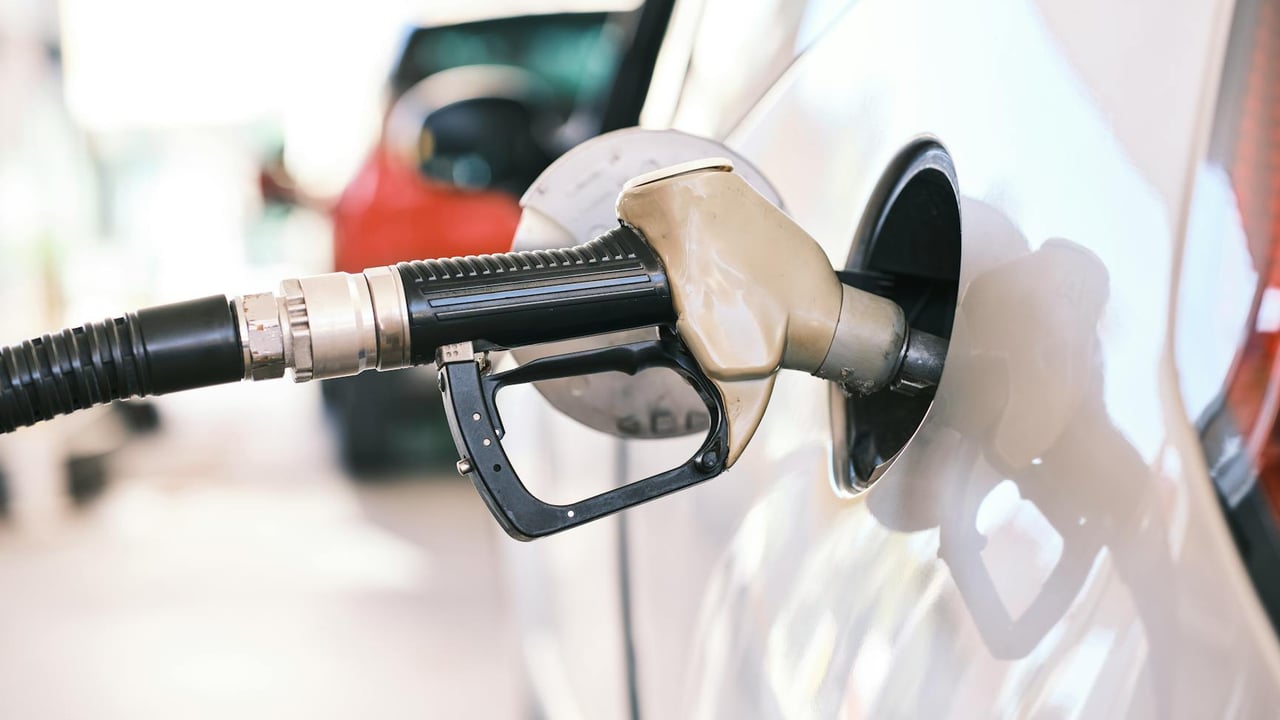

On March 23, Chinese motorists faced a brutal convergence of market forces: a plummeting domestic stock market and a sharp spike in fuel prices triggered by escalating tensions in the Middle East. While the National Development and Reform Commission (NDRC) intervened to cap the hike at approximately 0.87 yuan per liter—significantly lower than initial market fears—the psychological toll on traditional internal combustion engine (ICE) owners was immediate. Long queues snaked out of gas stations as drivers scrambled to fill their tanks before the new pricing took effect, highlighting a deep-seated anxiety over fluctuating energy costs.
For China’s rapidly growing legion of electric vehicle (EV) owners, the mood was decidedly different, characterized by a sense of quiet triumph over the fuel-dependent masses. As EV drivers touted the negligible costs of off-peak charging—often a fraction of the cost of a single liter of gasoline—the narrative of 'range anxiety' was temporarily replaced by 'fuel price superiority.' This shift is more than just social media posturing; it represents a fundamental recalibration of consumer sentiment where the predictable cost of electricity is increasingly viewed as a safer harbor than the volatile oil market.
Historical parallels are difficult to ignore. Analysts are drawing direct comparisons between the current energy volatility and the 1970s oil crisis, which famously allowed fuel-efficient Japanese manufacturers like Toyota and Honda to dismantle the hegemony of American 'gas guzzlers.' Today, the roles have shifted to China. In Southeast Asian hubs like Thailand, Chinese brands such as BYD and Great Wall Motor are aggressively gaining market share, with Chinese EVs recently capturing nearly half of the Thai market—a region long considered the 'second home' of Japanese automakers.
Despite the electric surge, the transition remains uneven across different geographies and sectors. While urban commuters may only feel a marginal financial squeeze from higher fuel prices, the logistics and freight industries are bearing the full weight of the increase, as freight rates rarely keep pace with energy costs. Furthermore, legacy manufacturers like Great Wall and Chery are maintaining a 'fuel-electric parity' strategy for global exports, recognizing that ICE and hybrid vehicles remain essential in regions with extreme climates or underdeveloped charging infrastructure, such as Russia or the Middle East.
Ultimately, this latest round of price hikes serves as a potent catalyst for China’s industrial policy. While it may not instantly render the internal combustion engine obsolete, it forces a mainstream reappraisal of mobility. With NEV penetration in China already crossing the 50% threshold, the 'superiority' felt by EV owners today is likely the precursor to a permanent shift in the global automotive pecking order, where energy security and cost-per-kilometer become the ultimate metrics of brand loyalty.