
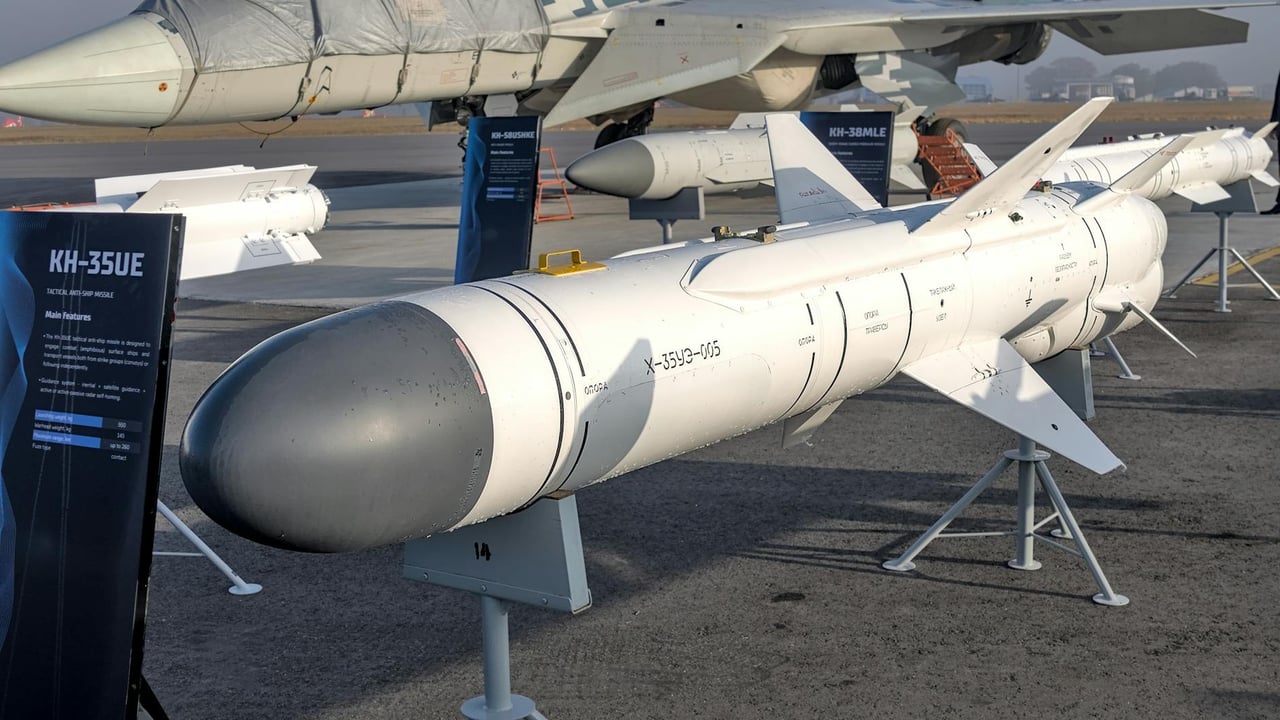

As the regional conflict enters a grueling and protracted phase in early 2026, the anticipated silence over the Levant has failed to materialize. Despite months of intensive aerial campaigns designed to degrade Tehran’s strategic depth, Iranian ballistic and cruise missiles continue to traverse the regional skies toward Israeli population centers. This persistence suggests a structural resilience in Iran’s military architecture that many defense analysts had previously underestimated, signaling a shift in the traditional calculus of Middle Eastern escalation.
The sustained nature of these launches points to a decentralized command structure and a sophisticated, highly mobile launch infrastructure. By utilizing an extensive network of "missile cities"—deeply buried underground facilities—and camouflaged mobile transport-erector-launchers, Iran has effectively negated the immediate impact of precision-guided counter-battery fire. This strategic depth allows for continued offensive operations even under a state of total air superiority by its adversaries.
From the perspective of Chinese state-affiliated media, the ongoing resilience of Iranian forces serves as a critical case study in asymmetric warfare. Reports from outlets like Haiwai Wang highlight these developments not merely as battlefield updates, but as evidence of the diminishing returns of Western-aligned high-tech intervention. The narrative being projected underscores a belief that regional actors can successfully withstand the full weight of a modern military apparatus through sheer volume and geographical concealment.
Furthermore, the continued firing of missiles across such a protracted timeline reveals the economic vulnerabilities of modern integrated air defense systems. While interception rates remain technically high, the logistical strain of defending against cost-effective projectiles with multi-million dollar interceptors creates a strategic imbalance. As 2026 progresses, the primary challenge for the international community is no longer just the immediate threat of fire, but the sustainability of a defensive posture against an adversary that refuses to be silenced.