Brinkmanship in the Strait: US Amphibious Task Force Nears Iran as Ultimatum Looms

The U.S. 31st Marine Expeditionary Unit is scheduled to arrive in the Middle East on March 27, aligning with a deadline set by President Trump regarding the Strait of Hormuz. Despite claims from Washington of productive talks, Iran denies any negotiations, heightening the risk of military confrontation.

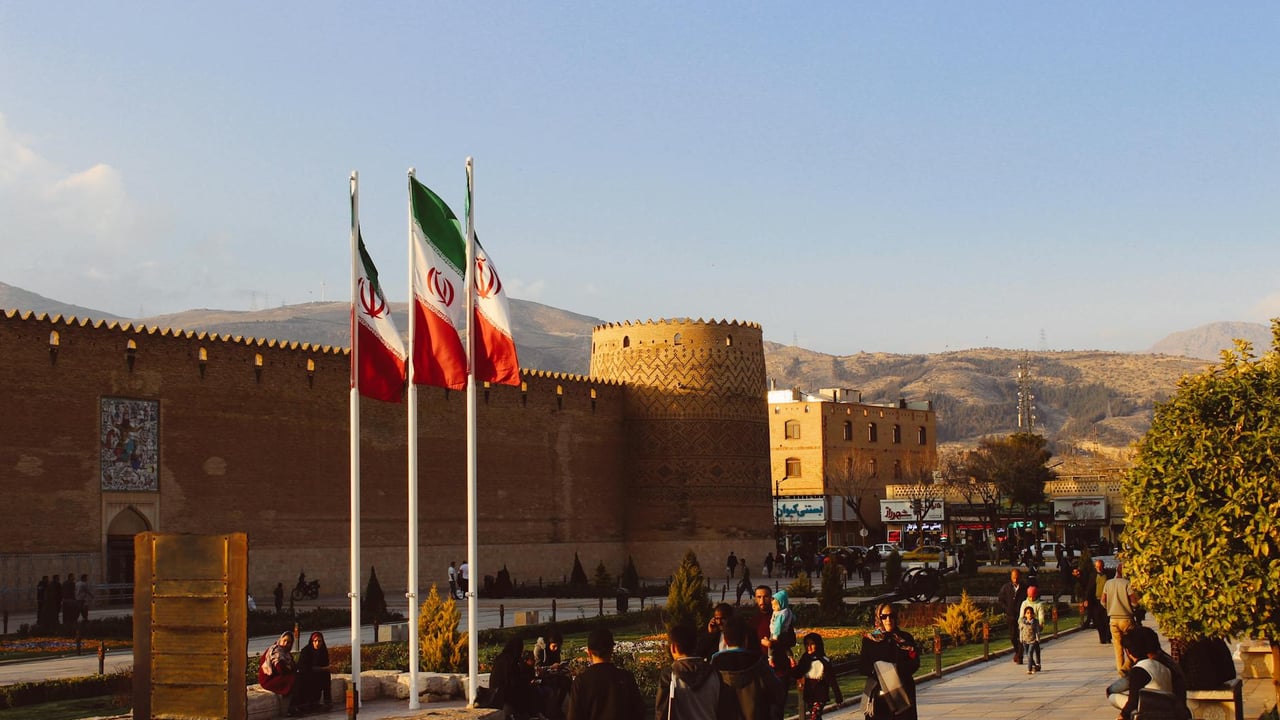
Karim Khan Citadel with Iranian flags in Shiraz, Iran at sunset.

Key Takeaways

  • 1The 31st Marine Expeditionary Unit and its associated amphibious ships will enter the CENTCOM area on March 27.
  • 2The deployment includes the USS Tripoli (LHA-7) and USS New Orleans (LPD-18) with 2,000 Marines.
  • 3President Trump has threatened to destroy Iranian power plants if the Strait of Hormuz is not opened.
  • 4A five-day delay in potential air strikes was announced following alleged 'productive' talks, which Iran denies took place.
  • 5The task force was most recently located at the strategic base of Diego Garcia in the Indian Ocean.

Editor's
Desk

Strategic Analysis

The redirection of the 31st MEU—a unit traditionally focused on the Indo-Pacific theater—signifies a major shift in strategic priorities toward the Persian Gulf. By targeting civilian infrastructure like power stations in his rhetoric, President Trump is moving beyond traditional naval deterrence into the realm of 'total pressure' designed to force an Iranian capitulation. However, the total breakdown in communication, evidenced by the contradictory statements regarding negotiations, suggests a dangerous lack of a 'back-channel' for de-escalation. The arrival of these amphibious assets provides the U.S. with a versatile ground-assault capability, but it also places a significant amount of 'prestige' on a specific date, making it harder for either side to back down without losing face.

China Daily Brief Editorial
Strategic Insight
China Daily Brief

The geopolitical temperature in the Persian Gulf is reaching a boiling point as the 31st Marine Expeditionary Unit (MEU) nears the Middle East. This deployment coincides precisely with a high-stakes deadline set by the White House, demanding that Tehran "open" the Strait of Hormuz or face devastating strikes on its domestic infrastructure.

Comprising the amphibious assault ship USS Tripoli and the transport dock USS New Orleans, the task force carries over 2,000 Marines specialized in rapid-response operations. Currently stationed at Diego Garcia in the Indian Ocean, these assets are expected to enter the U.S. Central Command’s area of responsibility by March 27, though their final transit to the Strait will take several additional days.

The escalation follows a series of social media ultimatums from President Trump, who initially threatened to destroy Iran’s power grid unless maritime access was guaranteed. While the administration recently claimed that dialogue had turned "productive," resulting in a five-day delay of kinetic action, the Iranian Foreign Ministry has flatly denied the existence of any such negotiations.

This discrepancy between Washington's narrative of progress and Tehran's stance of defiance creates a volatile environment for miscalculation. As the 31st MEU moves into position, the global energy market remains on edge, watching whether this naval buildup is a calculated bluff or the precursor to a significant regional conflict.

Share Article

Related Articles

📰
No related articles found