Foreign Policy Friction: Blinken Rebukes Trump Over Iran Strike Claims

Former Secretary of State Antony Blinken has vehemently denied claims by Donald Trump that he supported military strikes on Iran. Blinken used the opportunity to critique Trump’s withdrawal from the JCPOA and warned of the dangers of further isolating the United States from its allies.

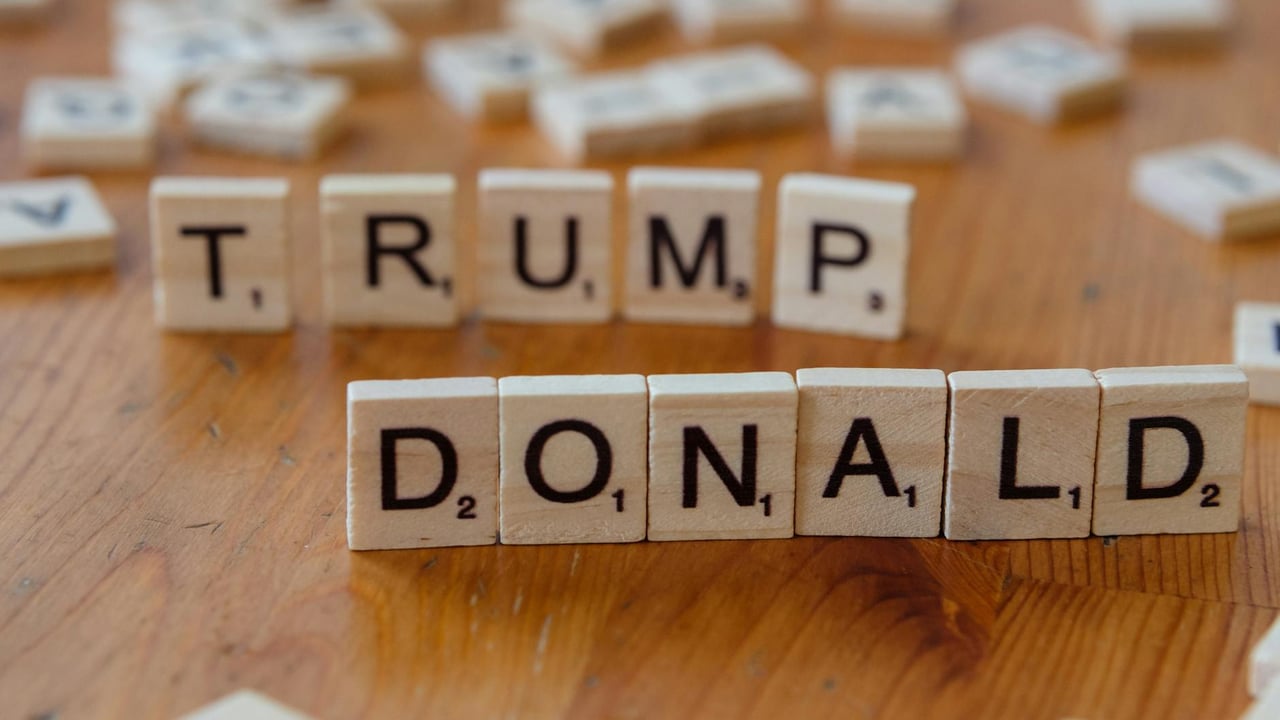
Close-up of Scrabble tiles spelling 'Donald Trump' on a wooden table.

Key Takeaways

  • 1Blinken categorically denied Trump's claims of supporting military strikes on Iran.
  • 2The former Secretary of State labeled the 2017 withdrawal from the JCPOA a strategic error.
  • 3Blinken highlighted the lack of preparation for potential Iranian naval blockades in the Strait of Hormuz.
  • 4The dispute emphasizes the unprecedented level of isolation between the U.S. and its traditional allies.
  • 5Blinken questioned the justification for the human and financial costs of another Middle Eastern war.

Editor's
Desk

Strategic Analysis

This public spat is more about the 'battle for the narrative' than historical accuracy as the U.S. navigates a volatile pre-election environment. By claiming Blinken's support, Trump seeks to neutralize Democratic criticism of his hawkish posture, framing military action as a bipartisan necessity rather than a partisan choice. Conversely, Blinken’s swift response aims to protect the legacy of diplomatic engagement while signaling to international allies that the current U.S. political divide remains the greatest risk to global strategic stability.

China Daily Brief Editorial
Strategic Insight
China Daily Brief

The shadows of Middle Eastern conflict have once again lengthened over American domestic politics, as a public dispute erupts between the former President and the former Secretary of State. Following a claim by Donald Trump at a high-stakes fundraising gala that Antony Blinken secretly endorsed military action against Tehran, the veteran diplomat has launched a sharp public counter-offensive.

Trump’s assertion, made during a March 25th address, suggested that Blinken had expressed regret for not acting more decisively against Iran during the Biden administration. However, Blinken’s rebuttal on March 26th was unequivocal, framing the former president’s narrative as a total fabrication designed to provide bipartisan cover for a risky military escalation.

Blinken’s defense went beyond a simple denial, pivoting instead to a broader critique of the transactional foreign policy of his predecessor. He specifically targeted the 2017 decision to withdraw from the Iran nuclear deal (JCPOA), describing it as a strategic failure that left the United States isolated and ill-prepared for Iranian counter-maneuvers in the Strait of Hormuz.

The exchange underscores the widening gulf between the two political camps over the so-called "forever war" narrative. Blinken emphasized the lack of transparency regarding the necessity of renewed conflict, questioning whether the expenditure of billions in taxpayer funds and the potential loss of American lives truly serve the national interest in an increasingly fractured global landscape.

Share Article

Related Articles

📰
No related articles found