

As the 2026 Boao Forum for Asia unfolds against the grim backdrop of escalating conflict in the Middle East, the global energy conversation has shifted from theoretical transition to urgent survival. For developed economies like New Zealand and Slovenia, the spike in crude oil prices triggered by hostilities between the U.S. and Iran is not merely a market fluctuation but a catalyst for a profound strategic realignment. Former leaders from these nations now argue that the volatility of fossil fuels, combined with the exponential energy demands of the AI revolution, has made Chinese renewable technology an indispensable pillar of global stability.
During the forum, former New Zealand Prime Minister Jenny Shipley highlighted a burgeoning 'energy paradox' where the explosion of artificial intelligence and quantum computing is driving power demand to unprecedented levels. As data centers consume vast amounts of electricity, the traditional reliance on unstable oil markets has become a liability. Shipley noted that nations like New Zealand are increasingly looking to Chinese solar innovations to build resilient power grids, framing China’s lead in photovoltaic technology not just as a commercial advantage, but as a critical contribution to international energy security.
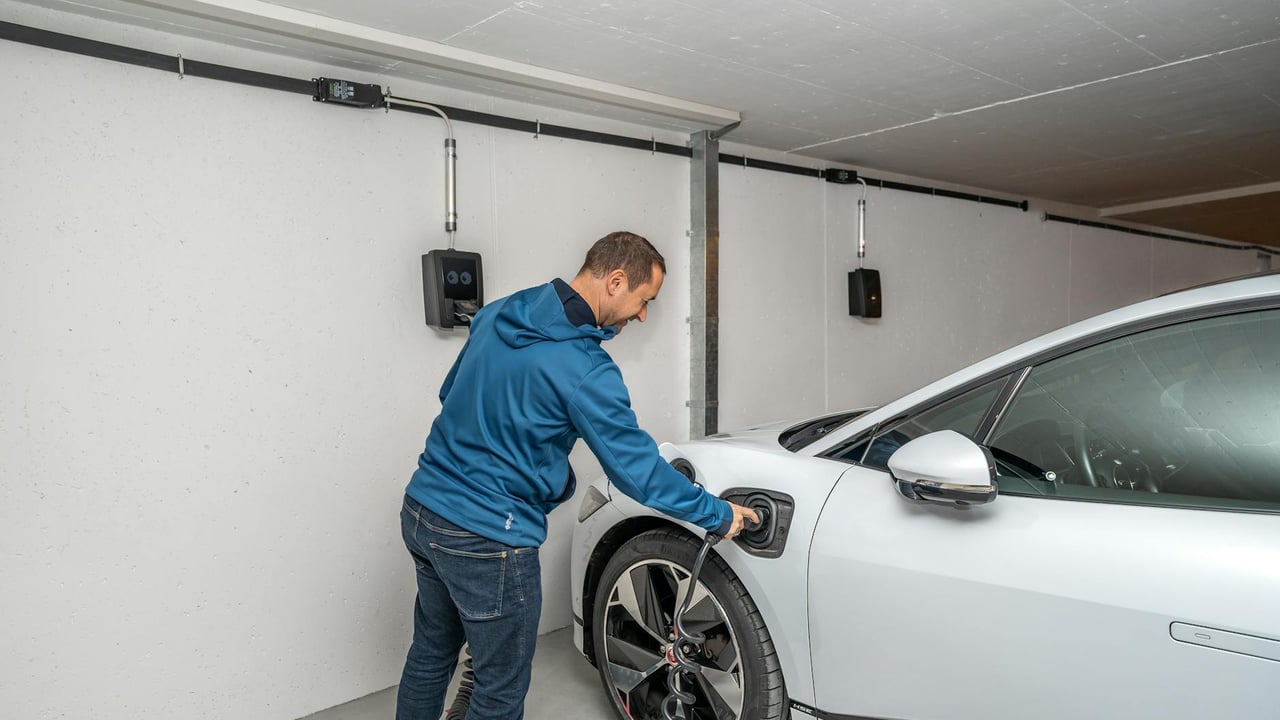
This sentiment is echoed in Europe, where energy transition has moved from a policy goal to a 'mandatory requirement' for industrial survival. Danilo Türk, the former President of Slovenia, pointed to the visible shift in European consumer behavior. Despite ongoing trade frictions between Brussels and Beijing, Chinese electric vehicles (EVs) have moved from obscurity to a position of market dominance in EU member states. Türk’s personal declaration—that he intends to replace his current vehicle with a Chinese brand—serves as a potent symbol of how brand loyalty in the West is being redefined by Chinese technological variety and cost-efficiency.
The current crisis has laid bare the economic vulnerability of low-to-middle-income households in developed nations. In New Zealand, the government has been forced to implement emergency subsidies to cushion citizens from soaring fuel costs, while in Slovenia, the impact on agriculture and long-distance commuting has become a primary political concern. These pressures are eroding the efficacy of protectionist rhetoric, as the immediate need for affordable, green transportation outweighs the impulse for market isolationism.
Ultimately, the convergence of geopolitical risk and technological necessity is forcing a new framework for China-EU cooperation. While competition remains fierce, the consensus at Boao suggests that neither side can afford a total decoupling. As the world navigates the most severe energy disruption of the decade, the integration of Chinese solar and EV supply chains into the global economy is increasingly viewed as the most viable path toward both decarbonization and economic insulation from the perennial instability of the Middle East.