
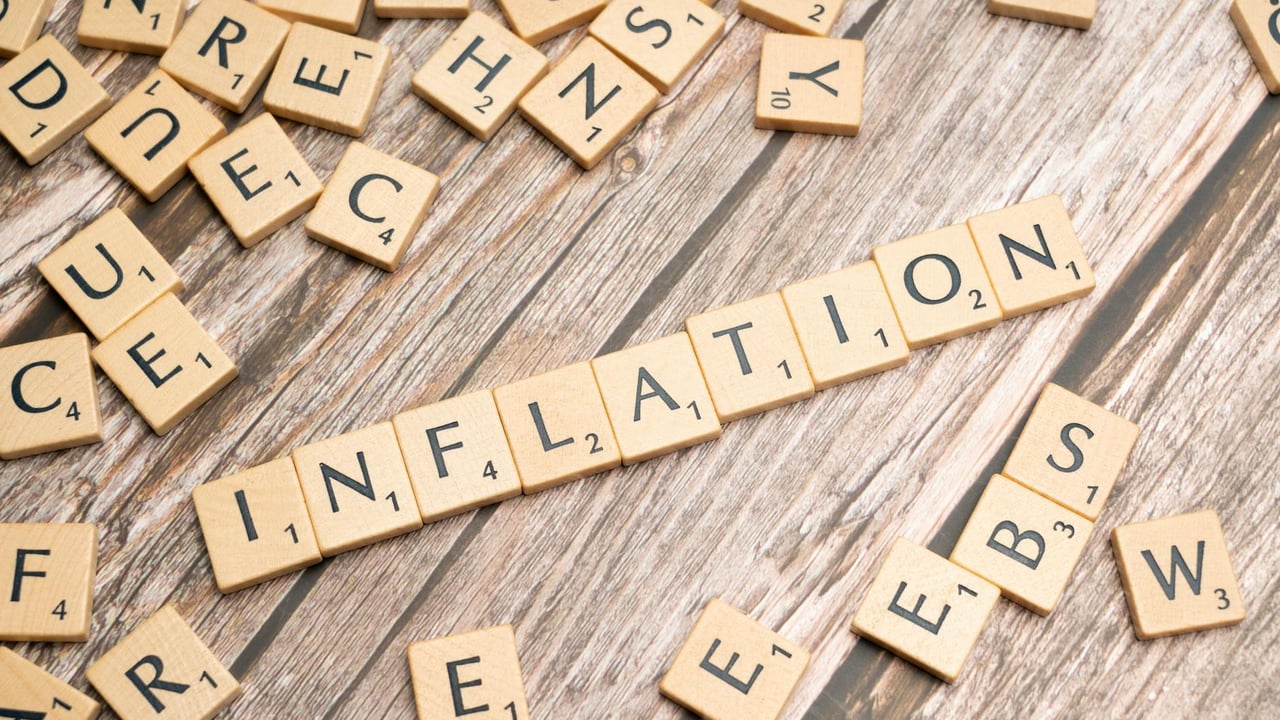

For European policymakers, the specter of the 1970s is returning with uncomfortable clarity. During an emergency video conference on March 27, Eurozone finance and economic ministers gathered to confront a worsening reality: the escalating conflict in the Middle East is no longer just a distant humanitarian crisis, but a direct threat to the continent's financial stability. The meeting’s conclusion was sobering, as officials warned that the union is now staring down the barrel of 'stagflation'—the toxic combination of stagnant growth and soaring prices.
The mechanics of this economic contagion are primarily flowing through energy markets. European Commission Executive Vice-President Valdis Dombrovskis highlighted that Brent crude oil has now entrenched itself above the $100-per-barrel mark for two consecutive weeks. This price surge is fueled by targeted attacks on energy infrastructure and severe shipping bottlenecks in the Strait of Hormuz, a critical maritime artery that is currently facing unprecedented disruptions. For a region that has spent the last two years attempting to decouple from Russian gas, this new volatility in global oil supplies represents a precarious vulnerability.
The long-term projections provided during the session suggest that the economic pain will not be a fleeting moment. If the current energy supply disruptions persist, the European Union could see its GDP growth slashed by as much as 0.6 percentage points across the 2026 and 2027 fiscal years. This downward revision comes at a time when several major European economies are already struggling to maintain momentum, leaving little room for error as inflationary pressures from energy costs begin to seep into the wider cost of living.
Brussels now faces a difficult balancing act. As energy prices drive up headline inflation, the European Central Bank may find its hands tied, unable to offer the monetary stimulus typically used to combat slowing growth. With shipping lanes blocked and regional stability in the Middle East fracturing, Europe’s path toward a 'soft landing' has become significantly narrower, forcing the Eurogroup to reconsider its fiscal strategies in a world where energy security can no longer be taken for granted.