
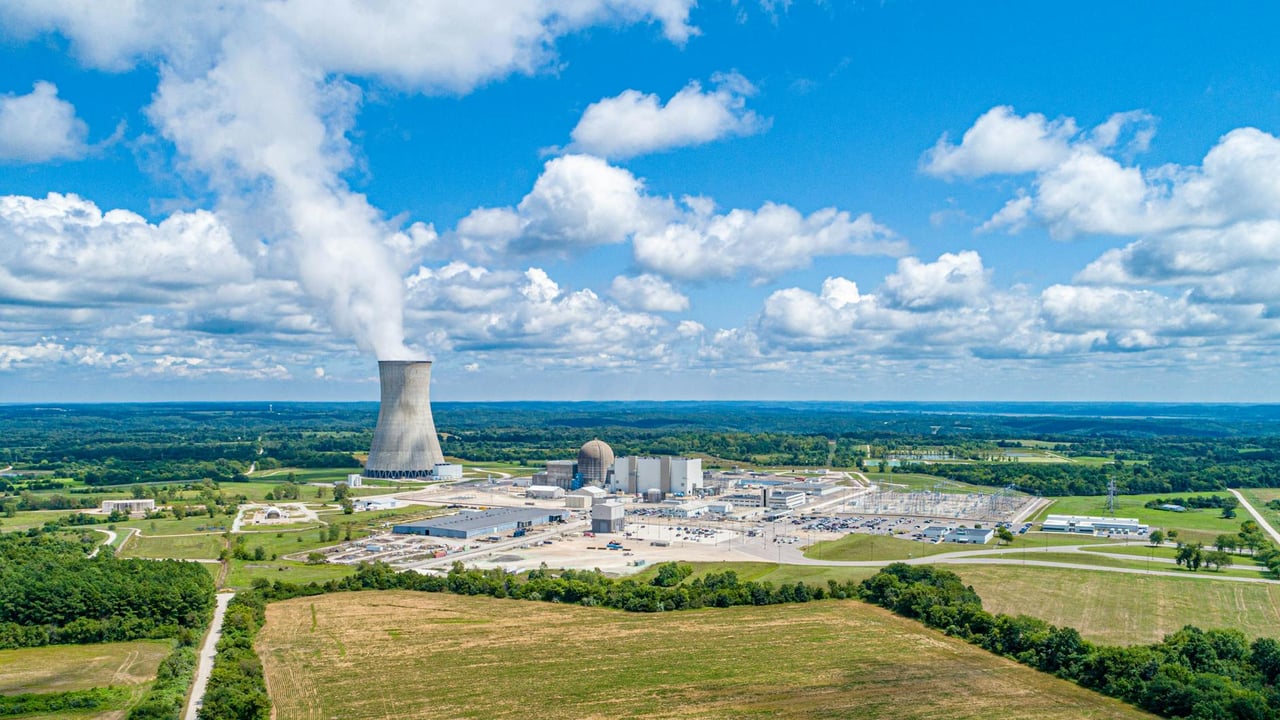

The delicate balance between diplomacy and kinetic warfare in the Middle East has once again tilted toward violence. Joint U.S. and Israeli air operations targeted Iran’s Khondab nuclear facility and several key industrial hubs on March 27, signaling a significant escalation in the ongoing regional conflict. These strikes occur against a backdrop of tentative peace negotiations, complicating an already volatile security landscape.
The Khondab complex, situated near Arak, houses a critical heavy-water reactor and has become a symbolic focal point of Iranian nuclear ambitions. While Tehran maintains that the facility sustained no casualties or radioactive leakage due to preemptive safety measures, the strike serves as a pointed reminder of Western capabilities. This site was previously a target during the intense '12-day war' between Israel and Iran in June 2025.
Beyond nuclear infrastructure, the coalition forces expanded their scope to include Iran’s vital steel industry. Reports from Isfahan and Khuzestan provinces indicate significant damage to the Mubarakeh and Khuzestan steel complexes, which form the backbone of Iran’s industrial economy. By targeting these assets, the U.S. and Israel appear to be moving toward a doctrine of economic neutralization alongside traditional military containment.
This military action presents a jarring contrast to the diplomatic overtures currently being managed by U.S. Special Envoy Witkoff. Even as the missiles landed, Witkoff indicated that Washington expects a response to a 15-point ceasefire proposal within the week. This stick-and-carrot approach suggests that the strikes were designed to maximize leverage before any formal return to the negotiating table.
Tehran’s response has been swift and predictably defiant, with officials signaling a broadening of the conflict zone. Iran has identified six Israeli steel plants and various regional industrial facilities as potential targets for stronger retaliatory measures. This shift toward industrial warfare threatens to disrupt global supply chains and draws neighboring states deeper into the direct line of fire.