
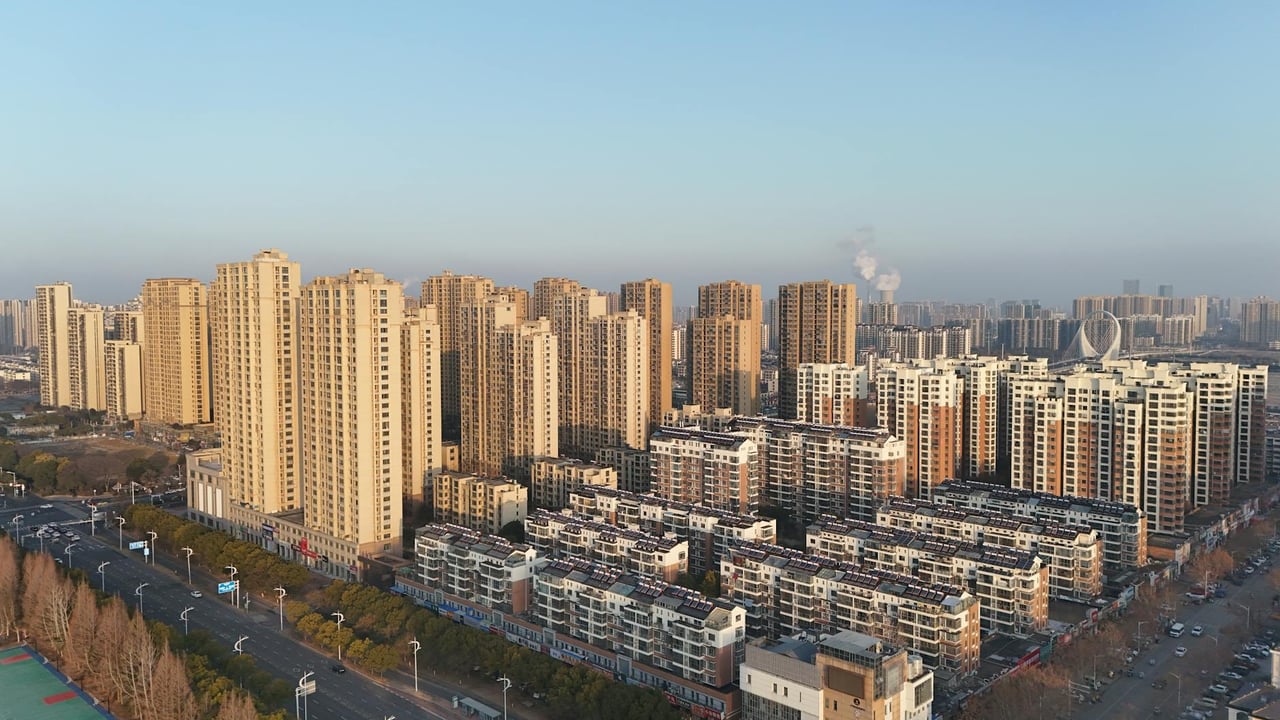

Across China’s sprawling metropolitan centers, a quiet but profound administrative rebranding is underway. The ubiquitous Housing and Urban-Rural Development Bureaus, long the engines of the country’s construction boom, are being rechristened as Housing and Urban Renewal Bureaus. This one-character shift in their Chinese titles signals the definitive end of an era defined by hyper-expansion and the beginning of a more surgical, quality-focused approach to city management.
For decades, the metric of success for Chinese municipal leaders was the "increment"—the speed at which farmland could be converted into skyscrapers and asphalt. However, as the nation moves into its 15th Five-Year Plan cycle, the focus has pivoted toward the "stock." The new mandate is to rejuvenate what already exists, focusing on the sophisticated management of aging infrastructure rather than the raw output of new square footage.
This transition is a response to the practical realities of a maturing economy. Thousands of aging residential compounds, decaying underground pipe networks, and underutilized industrial zones have become the new frontier of urban governance. The rebranding suggests that the state is moving away from the role of a one-time developer and toward that of a sustainable operator, prioritizing the long-term value and livability of existing urban spaces.
The functional shift is equally significant. These newly named bureaus are now tasked with "urban physical exams" to identify structural vulnerabilities and the creation of "complete communities." Their remit now includes retrofitting neighborhoods for an aging population, protecting historical districts, and upgrading digital infrastructure. It represents a transition from managing construction projects to managing human services and cultural preservation.
Ultimately, this pivot aims to unlock the latent economic potential of existing urban centers. By activating stock resources and stimulating domestic demand through high-quality renovations, Beijing hopes to provide a new tailwind for the real estate sector and the broader economy. It is a move toward what officials call "fine-grained" governance, where the city is treated as a living organism requiring constant care rather than a product for mass production.