
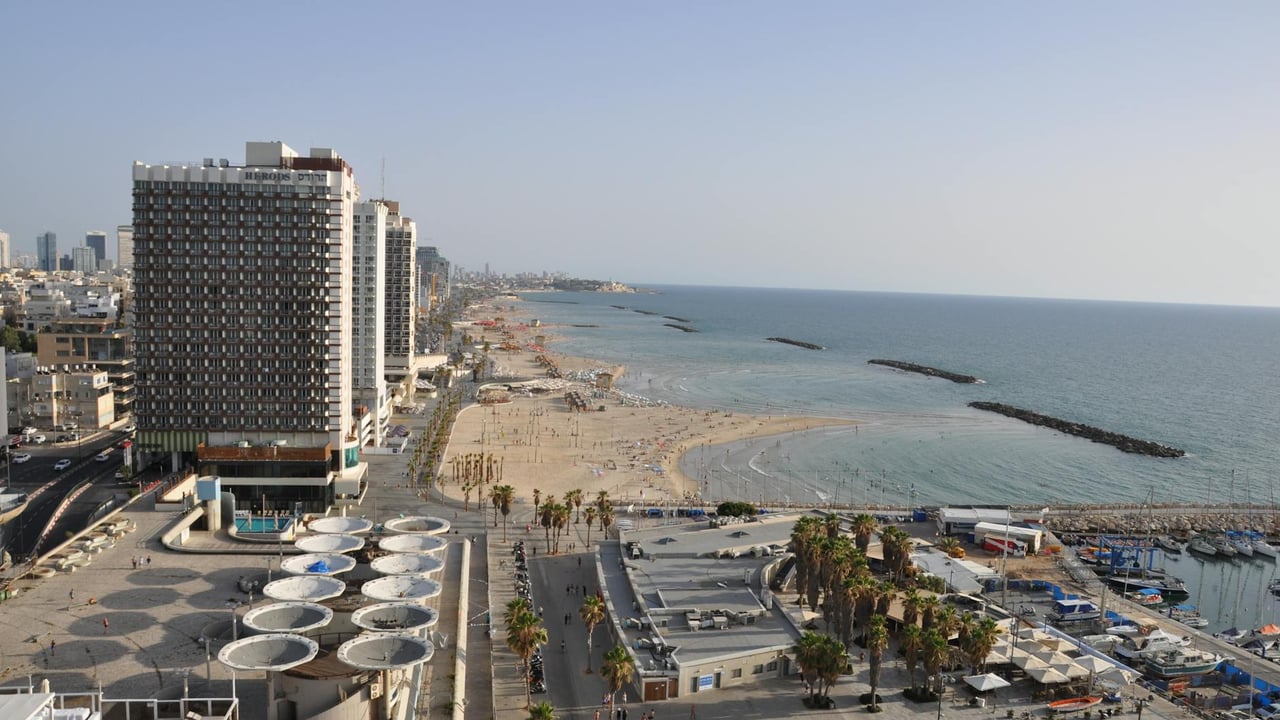

The skies over Tel Aviv were once again illuminated by the fire of interception as Iran launched the 86th wave of its 'True Promise 4' military operation. This latest barrage of missiles and suicide drones marks a grim milestone in a conflict that has moved beyond sporadic escalation into a permanent state of high-intensity warfare. Reports from the ground indicate that the strikes targeted several strategic hubs, forcing millions into shelters and testing the structural limits of Israel’s multi-layered defense umbrella.
By 2026, the nature of Middle Eastern geopolitics has shifted from the shadow wars of the past to a relentless campaign of psychological and economic exhaustion. The 'True Promise' series, which began as a retaliatory framework, has evolved into a standardized doctrine of persistent pressure. This 86th iteration suggests that Tehran has successfully industrialined its drone and missile logistics, allowing for sustained strikes that challenge the economic sustainability of Israel’s interceptor stockpile.
The global energy markets and international shipping lanes remain on high alert as the geography of the strikes continues to expand beyond immediate border zones. While the Iron Dome and Arrow systems remain technically proficient, the sheer frequency of these attacks creates a 'new normal' that erodes civilian morale and disrupts national commerce. International mediators, once hopeful for a ceasefire, now face a landscape where the cost of de-escalation appears higher for both sides than the cost of continued engagement.
As the conflict enters this protracted phase, the regional architecture is being fundamentally redrawn. Neighbors who once sought a middle ground are being forced to choose between the hardening blocks of Tehran and Tel Aviv. The international community must now grapple with the reality that the Middle East has entered a cycle of automated warfare, where technological parity in unmanned systems has leveled the playing field and made decisive victory increasingly elusive.