
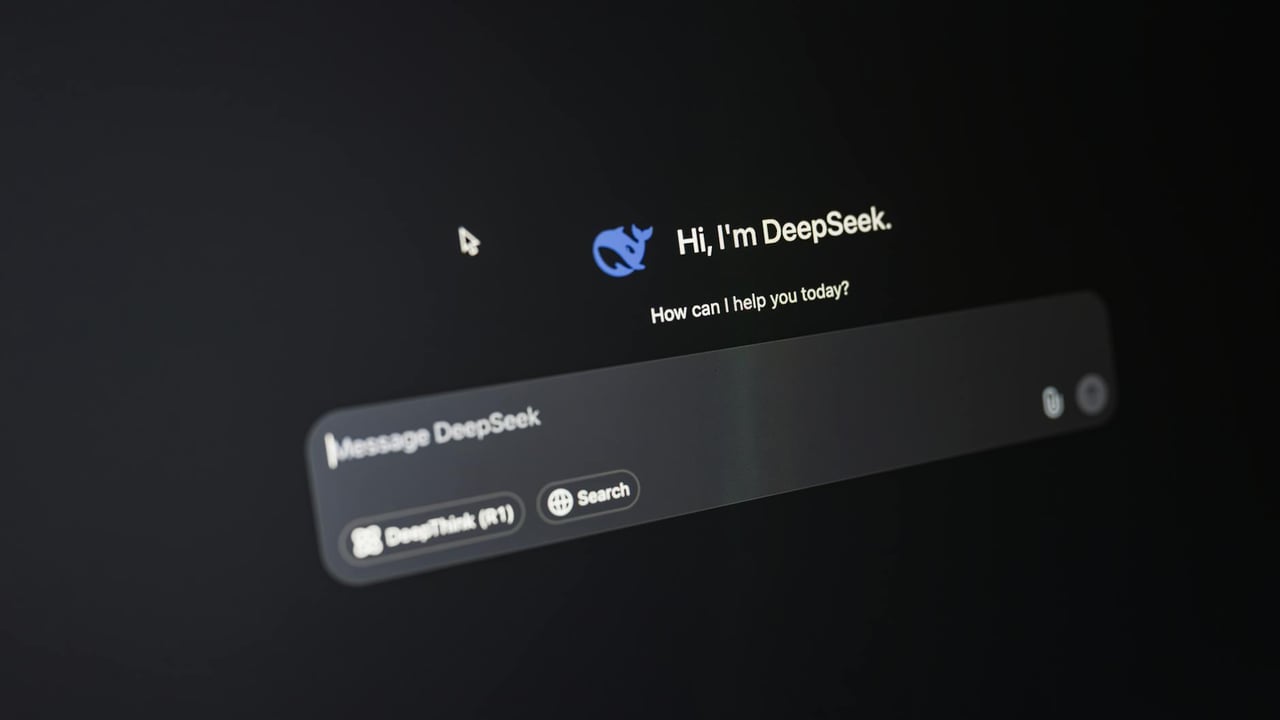

China’s leading artificial intelligence contender, DeepSeek, suffered a severe and sustained service collapse starting the night of March 29, leaving millions of users unable to access its web and mobile interfaces. The outage, which began around 10:00 PM, saw the platform plagued by 'server busy' notifications and near-total functional paralysis that persisted well into the following morning. Despite efforts to implement fixes during the early hours, the service remained unstable, highlighting the immense pressure on the startup’s infrastructure.
The incident quickly became a trending topic on Chinese social media, where frustrated users documented their inability to use the model for professional and creative tasks. Analysis suggests a 'feedback loop' of failure: as the platform lagged, desperate users repeatedly refreshed their pages and clicked retry buttons, inadvertently launching a self-inflicted distributed denial-of-service (DDoS) effect. This surge in redundant traffic likely overwhelmed the remaining server capacity, complicating the recovery efforts for DeepSeek’s engineers.
DeepSeek has recently emerged as a formidable global rival to OpenAI, praised for its high performance and cost-efficiency in training Large Language Models (LLMs). However, this technical success has invited a massive influx of users that may have outpaced the company’s current compute and network resource provisioning. While tech giants like Baidu or Alibaba can lean on massive proprietary cloud divisions to absorb traffic spikes, independent labs like DeepSeek face a steeper challenge in scaling their backend rapidly to meet viral demand.
As of the morning of March 30, the company’s status page indicated that investigations were ongoing, though a formal explanation for the root cause has yet to be released. This disruption serves as a critical reminder that in the hyper-competitive AI race, algorithmic superiority is only half the battle. The ability to maintain uptime and scale infrastructure reliably remains the fundamental gatekeeper for any model seeking to integrate into the daily workflows of the global economy.