Beyond the Battery: China Sets New Standards and Insurance for the Autonomous Era

China is formalizing the future of mobility through the introduction of 12 new technical standards for smart vehicles and a pilot insurance program in Beijing for Level 2 to Level 4 autonomy. Meanwhile, legacy brands like Toyota are seeing a resurgence by integrating Chinese software, even as domestic manufacturers engage in aggressive legal battles over performance claims.

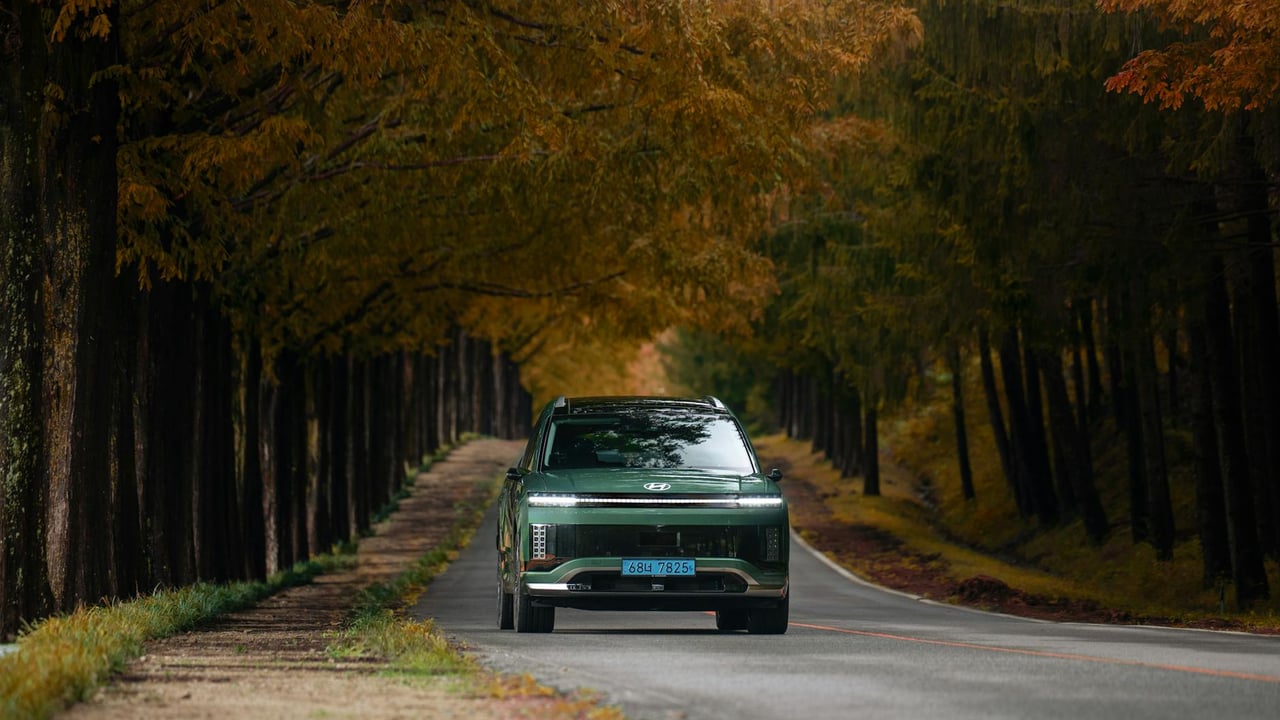
Electric vehicle on a scenic road with autumn foliage highlighting eco-friendly travel.

Key Takeaways

  • 1China released 12 new group standards focusing on 'Vehicle-Road-Cloud' integration and AI-driven complex road navigation.
  • 2Beijing launched the first commercial insurance specifically designed for autonomous vehicles, covering L2 to L4 systems.
  • 3Stelato (Xiangjie) is pursuing legal action against social media influencers over alleged 'malicious' performance test manipulation.
  • 4GAC Toyota's Bozhi 7 reached 10,000 pre-orders by utilizing Huawei's HarmonyOS and Momenta's smart driving technology.
  • 5Tesla continues to focus on infrastructure in China, launching its largest high-speed service area charging project in Chongqing.

Editor's
Desk

Strategic Analysis

The simultaneous rollout of technical standards and dedicated insurance marks China's shift from the 'EV 1.0' phase of battery manufacturing to the 'EV 2.0' phase of institutionalized autonomy. By codifying 'Vehicle-Road-Cloud' (V2X) integration, Beijing is doubling down on a centralized infrastructure approach that contrasts with the 'vision-only' strategy favored by Western firms like Tesla. Furthermore, the success of GAC Toyota’s Bozhi 7 signals the 'In China, For China' strategy is entering its endgame: foreign hardware is now frequently a mere vessel for Chinese digital ecosystems. The aggressive legal posture of HIMA-affiliated brands like Stelato suggests that as technical specs homogenize, brand perception and 'national tech pride' have become the primary battlegrounds for market share.

China Daily Brief Editorial
Strategic Insight
China Daily Brief

China’s automotive sector is transitioning from a high-speed hardware race to a sophisticated battle for ecosystem dominance. The recent release of 12 group standards for 'Vehicle-Road-Cloud' integration and complex road driving marks a pivotal moment in the maturation of the nation’s intelligent driving landscape. Developed by the Chinese Association of Automation alongside 11 research institutes, these standards bridge critical gaps in collaborative driving tests and decision-making protocols for difficult terrains.

Parallel to this technical standardization, Beijing is pioneering the financial infrastructure necessary for full-scale autonomy. By launching the nation’s first dedicated commercial insurance for intelligent connected vehicles (ICVs), the city is addressing the 'liability vacuum' inherent in Level 3 and Level 4 systems. This new insurance framework allows for precise risk assessment and coverage for software-driven losses, ensuring that as vehicles move from human-assisted to machine-led, the legal and financial protections for consumers remain robust.

The volatility of this transition is best illustrated by the escalating public relations wars among domestic premium brands. Stelato, a high-end brand under the Huawei-led HIMA umbrella, recently initiated legal action against a digital media agency for allegedly manipulating 'moose test' videos of its S9 sedan. The company is aggressively defending its technical reputation, citing official certifications that place its handling capabilities at the top of the luxury class, highlighting the cutthroat nature of China’s premium EV marketing.

Legacy international automakers are also finding a new lease on life by pivoting toward 'local' technology stacks. GAC Toyota’s Bozhi 7 has surpassed 10,000 pre-orders, a milestone driven significantly by its integration of Huawei’s HarmonyOS and Momenta’s autonomous driving software. This trend suggests that the survival of traditional joint ventures in China now depends on their willingness to shed global platforms in favor of the digital ecosystems preferred by Chinese consumers.

Share Article

Related Articles

📰
No related articles found