
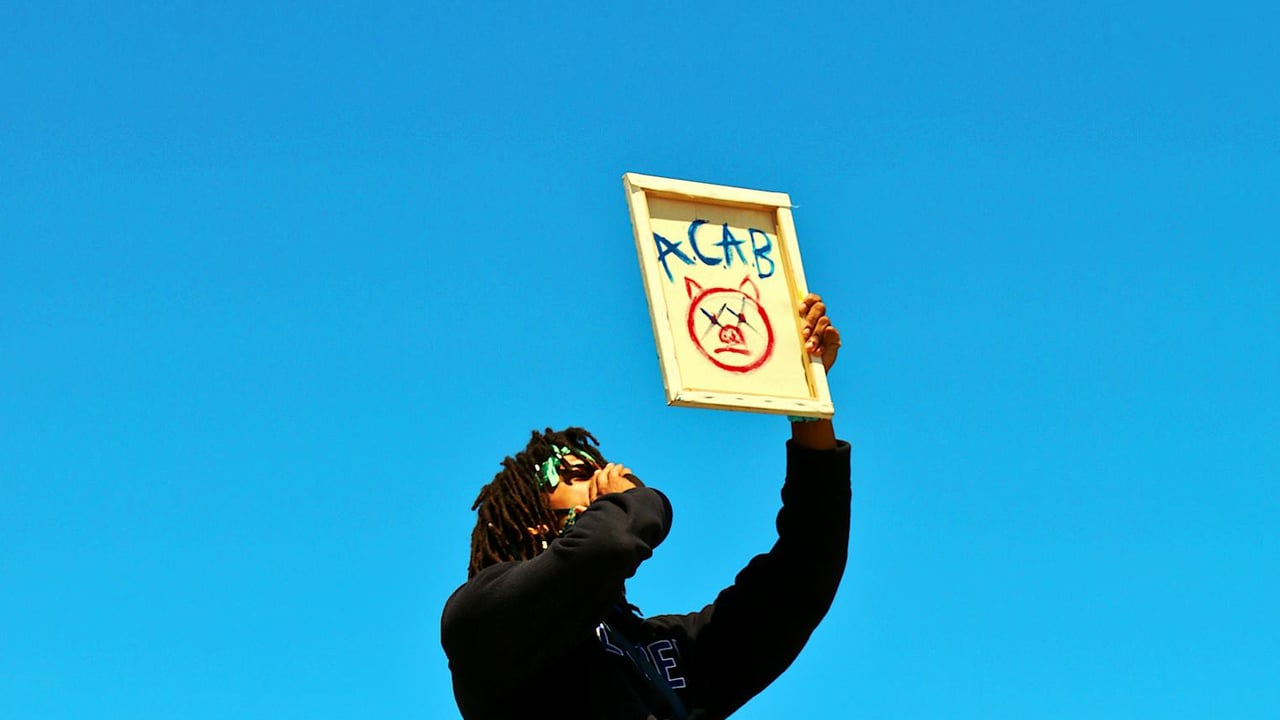

On March 28, a staggering 9 million people across all 50 U.S. states took to the streets in what is being called the 'No King' movement. This third and largest wave of mobilization targeted the administration's expansive executive power, the escalating conflict with Iran, and controversial immigration enforcement. From the bridges of Washington D.C. to the suburban hearts of the Midwest, the scale of the unrest suggests a deepening fissure in the American social contract.
The movement’s name serves as a direct rebuke to what protesters describe as the 'illegal expansion of executive authority' under President Trump. Organizers reported demonstrations in over 3,300 cities, a significant jump from previous mobilizations in late 2025. While the White House has historically brushed off such displays, the sheer volume of participants—roughly 2.7% of the total U.S. population—makes this difficult to ignore as a mere fringe phenomenon.
Minnesota emerged as the symbolic epicenter of the movement following two high-profile fatal shootings of American citizens by Immigration and Customs Enforcement (ICE) personnel in January. These incidents in Minneapolis transformed localized grief into a national demand for the abolition of ICE and a return to constitutional norms. Prominent figures like Senator Bernie Sanders and Representative Ilhan Omar leveraged the moment in St. Paul to call for a fundamental 'revolution' in American governance.
Perhaps most concerning for the incumbent administration is the geographic shift in the protest's demographic. Data indicates that two-thirds of the participants now hail from outside major metropolitan areas, with a 40% surge in participation from rural and suburban districts that were once Republican strongholds. This expansion into 'red' territory suggests that the administration's policies on oil prices and foreign intervention are alienating its core base.
The Republican establishment has maintained a posture of aggressive dismissal, characterizing the crowds as 'paid actors' and 'hate-America' rallies. A spokesperson for the White House categorized the events as 'derangement therapy' for the far-left, signaling no intent to pivot on policy. However, as the 2026 midterm elections approach, the persistent and peaceful nature of these rallies may force a reckoning for moderate Republicans in contested districts.
International ripples were also felt as solidarity protests broke out in 15 countries, including major rallies in Rome and London. Global observers are increasingly wary that the U.S. conflict with Iran could spiral into a broader regional war, further fueling the 'No King' sentiment abroad. The movement remains leaderless and ideologically diffuse, yet its very ambiguity allows it to serve as a broad church for anyone disillusioned with the current trajectory of American power.