
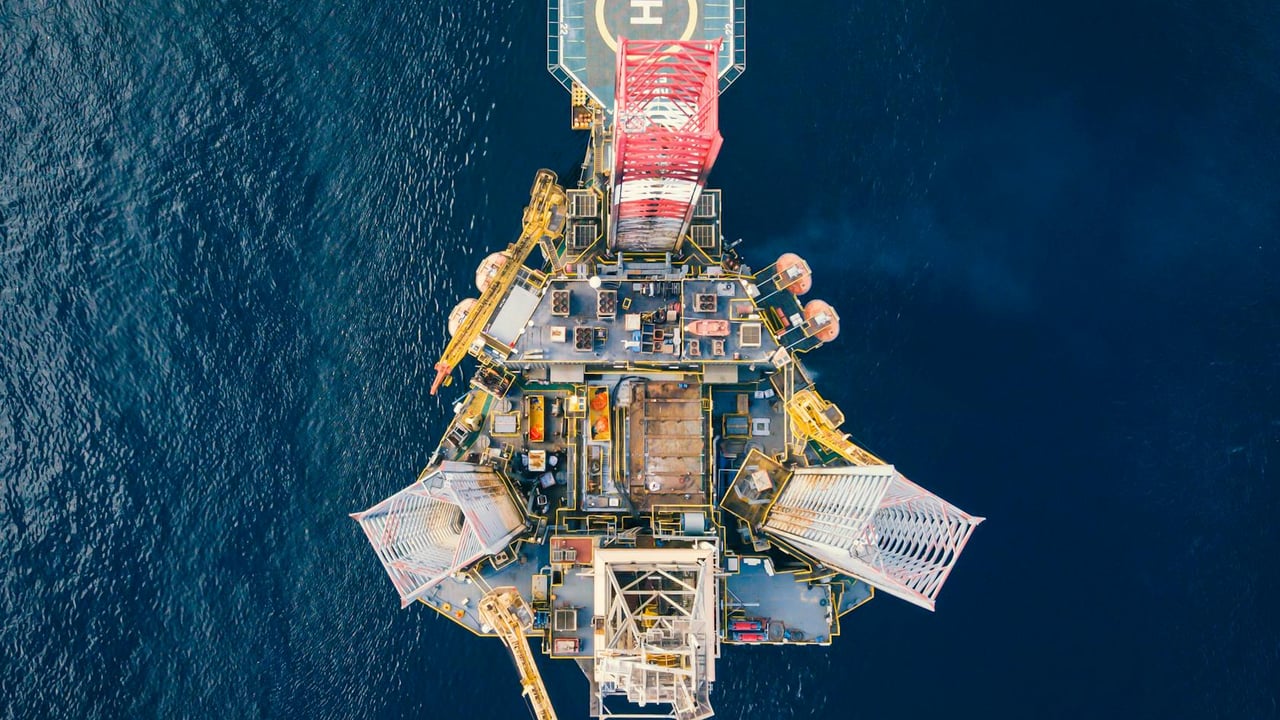

In the spring of 2026, as international oil prices surged past the $100 mark, Victor Li, the chairman of CK Hutchison, delivered a statement that reverberated far beyond the walls of his corporate headquarters. During an annual results briefing, he casually noted that the family's petroleum interests had reached a daily production capacity of nearly one million barrels. This milestone places the Li family’s energy holdings ahead of the national outputs of the United Kingdom, Indonesia, and Malaysia.
This staggering scale is the culmination of a decade-long consolidation strategy executed through the Canadian energy giant Cenovus Energy. Following the late-2025 acquisition of MEG Energy for approximately $5 billion, the Li family has cemented its position as the dominant force in the North American oil sands. With a nearly 30% combined stake in the merged entity, the family controls an enterprise that now generates an estimated $36.5 billion in annual revenue at current market prices.
The genesis of this empire dates back forty years to a classic contrarian play by the family patriarch, Li Ka-shing. In 1986, when global oil prices had collapsed to $11 per barrel, Li acquired a majority stake in the struggling Husky Energy for roughly $400 million. By leveraging Victor Li’s Canadian citizenship to bypass foreign ownership restrictions, the elder Li secured a 'cash cow' that would eventually yield over $8 billion in dividends.
The family’s strategic genius was further evidenced during the 2020 pandemic-induced market crash. While other investors fled the energy sector, the Lis orchestrated an all-stock merger between Husky and its rival Cenovus Energy. This move effectively traded direct control of a smaller, struggling operator for a dominant minority position in a global leader, insulating the family from operational volatility while maintaining exposure to the eventual price recovery.
Today, the Li family’s pivot toward 'hard assets' like petroleum and energy infrastructure serves as a hedge against the cyclical instability of the global real estate market. While the group has recently divested from certain European utilities and Asian ports, the steady expansion of their Canadian oil interests highlights a long-term commitment to commodities with high barriers to entry. This shift underscores a broader transition from the speculative growth of property development toward the defensive stability of essential global resources.
At 97 years old, Li Ka-shing remains the spiritual architect of this strategy, even as Victor Li manages the day-to-day operations with a reputation for extreme caution. The family’s ability to time energy cycles over four decades suggests a level of institutional patience rarely seen in modern capital markets. As geopolitical tensions continue to disrupt global supply chains, this million-barrel-per-day empire ensures the House of Li remains an indispensable player in the world’s most critical industry.