
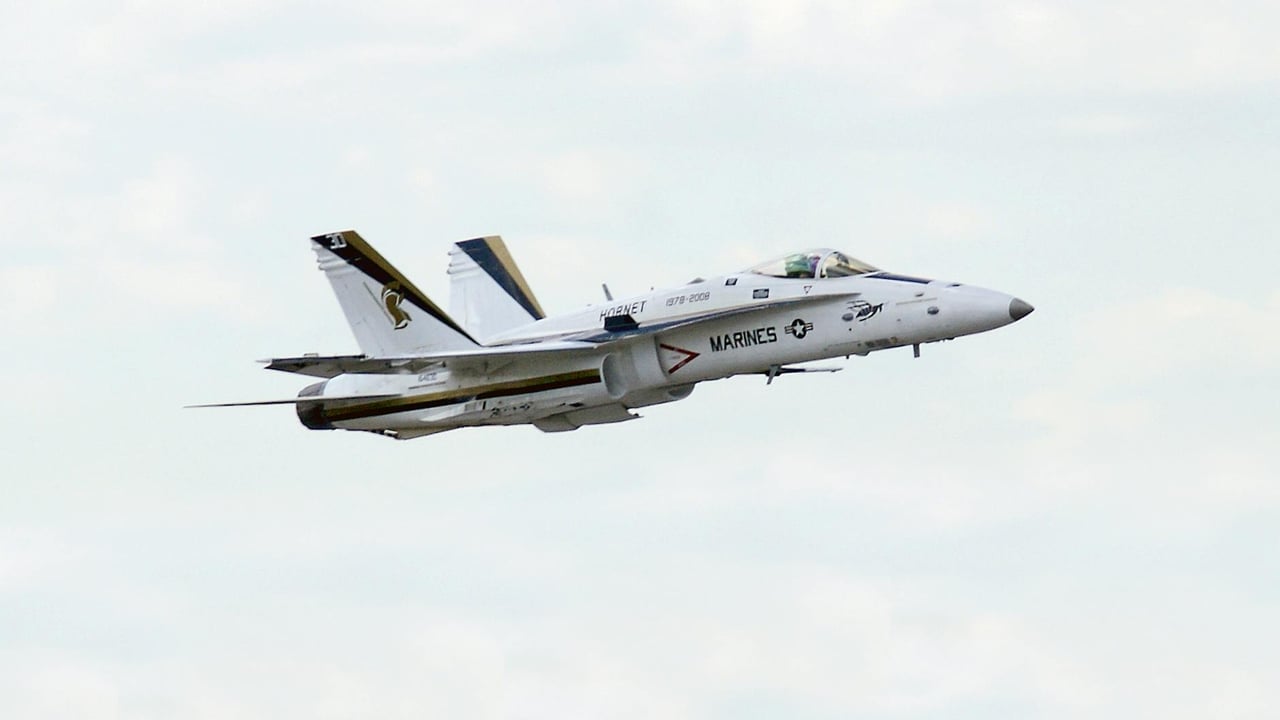

The American military machine, long the gold standard for global projection, is currently navigating a fiscal challenge that dwarfs its previous engagements. Observers are sounding alarms over the unprecedented intensity of military expenditure in the current theater, noting that the rate at which capital and hardware are being consumed exceeds the peaks of the Cold War and the subsequent 'War on Terror.' This rapid depletion of resources is forcing a re-evaluation of how long the United States can sustain high-intensity operations without compromising its domestic economic foundations.
Unlike the asymmetric warfare of the early 21st century, which relied on localized dominance, the present conflict involves a sophisticated drain on precision-guided munitions and advanced defense systems. These high-tech assets carry price tags that make traditional attrition warfare unsustainable for even the world's largest economy. The defense industrial base, already strained by supply chain vulnerabilities, is struggling to reconcile the need for rapid replacement with the reality of soaring procurement costs.
Strategists warn that the true fiscal cliff has not yet been reached. Should the conflict escalate into a full-scale ground campaign, the cost requirements are expected to reach 'astronomical' levels. A transition to land-based operations would necessitate a massive increase in logistical support, personnel insurance, and long-term veteran care—fixed costs that historically remain on the balance sheet for decades after the guns fall silent.
This economic pressure is serving as a strategic constraint, potentially narrowing Washington’s diplomatic and military options. As the 'burn rate' of the current war continues to climb, the debate in the halls of power is shifting from tactical success to fiscal endurance. The ability to outlast an opponent is increasingly becoming a question of budgetary resilience rather than just battlefield superiority.